American teacher pay is always politicized, not the least of which is because teachers’ unions are part of the bedrock of the Democratic party’s political base.

American teacher pay is always politicized, not the least of which is because teachers’ unions are part of the bedrock of the Democratic party’s political base.

First things first. There are plenty of reasons to think that the global economy could continue to power forward.

Boring is the new exciting.

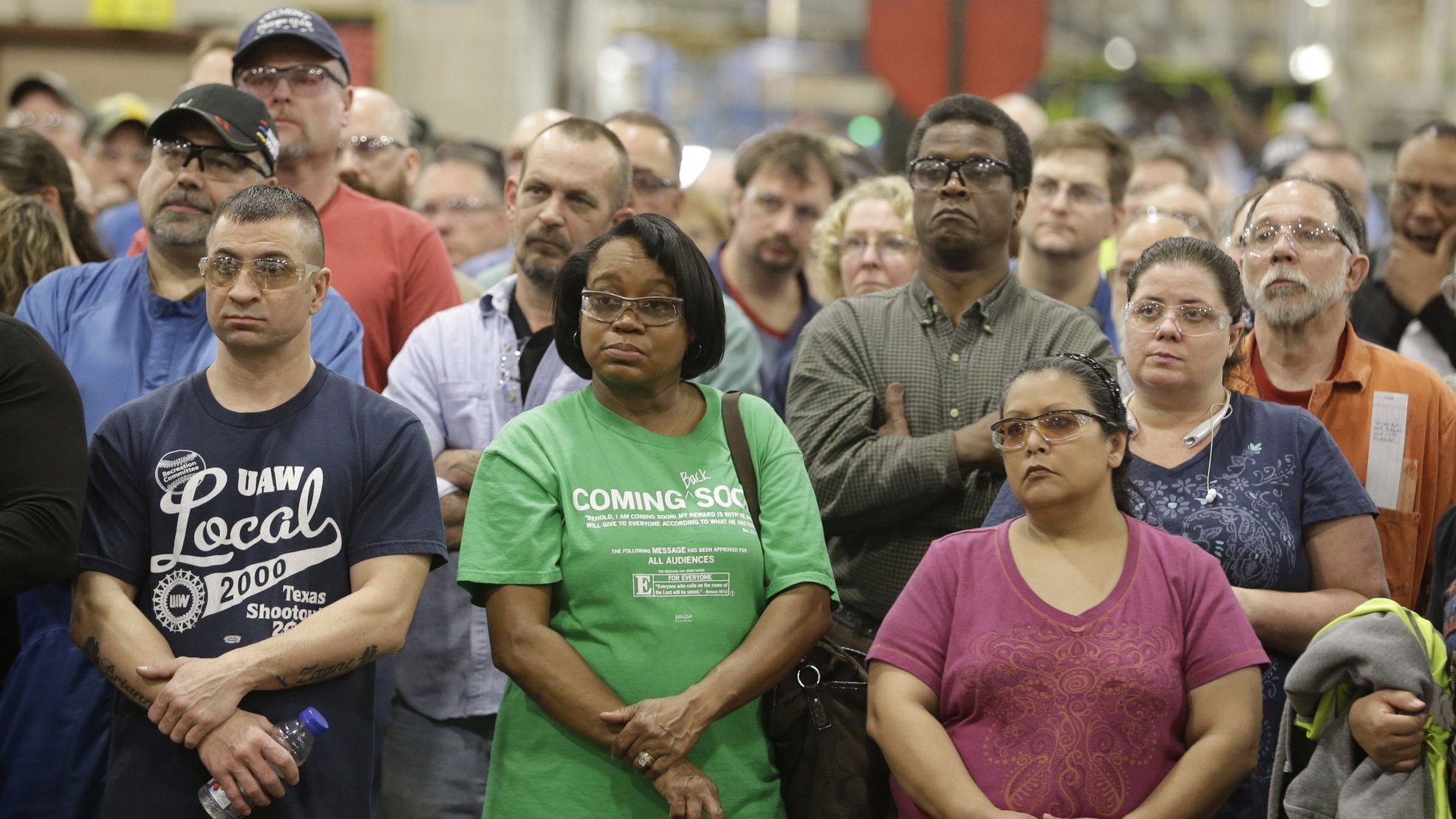
The good news in last week’s US jobs was that private sector jobs actually started growing again. But here’s the hard truth: American pay packages still look downright feeble.

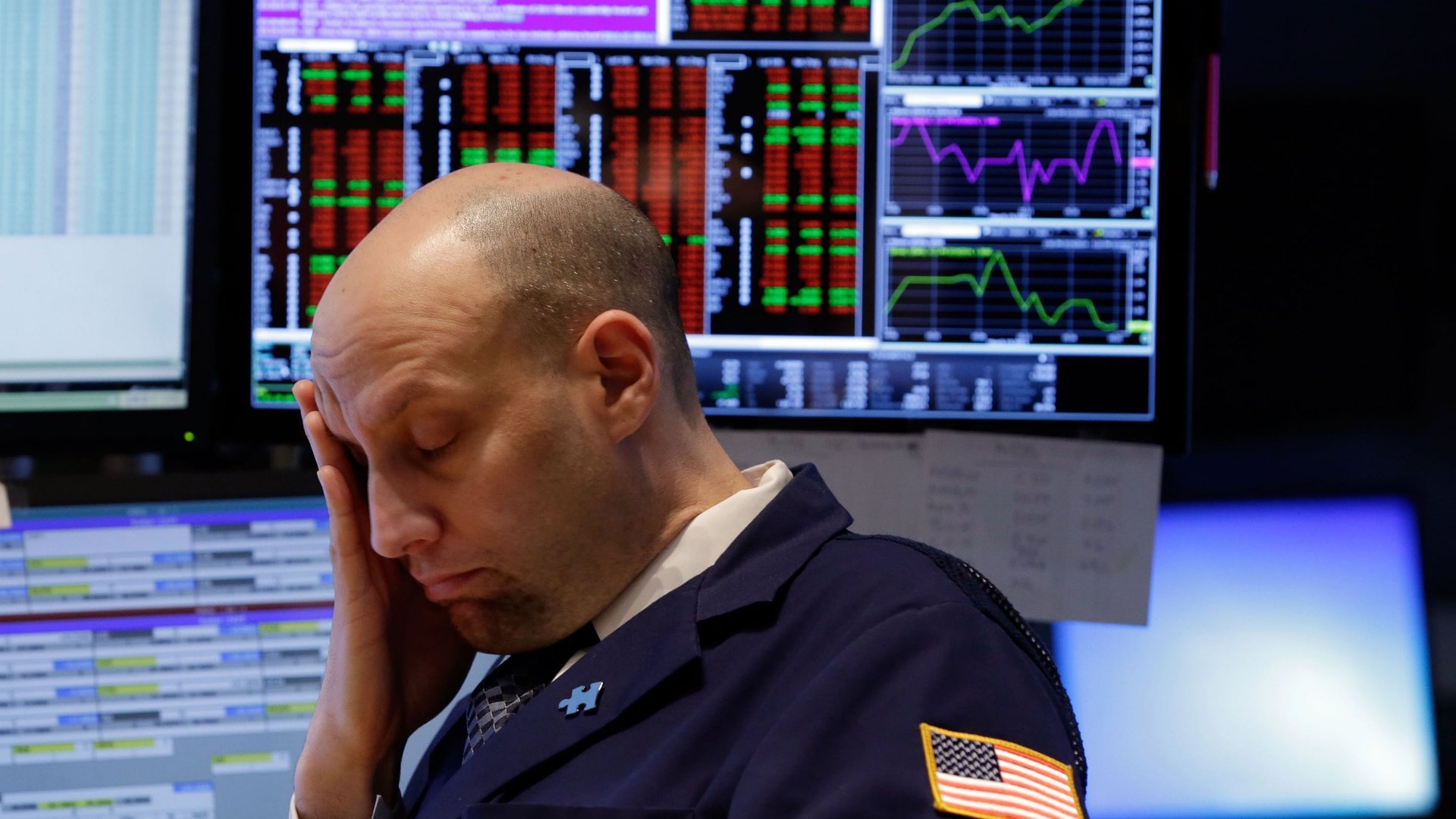
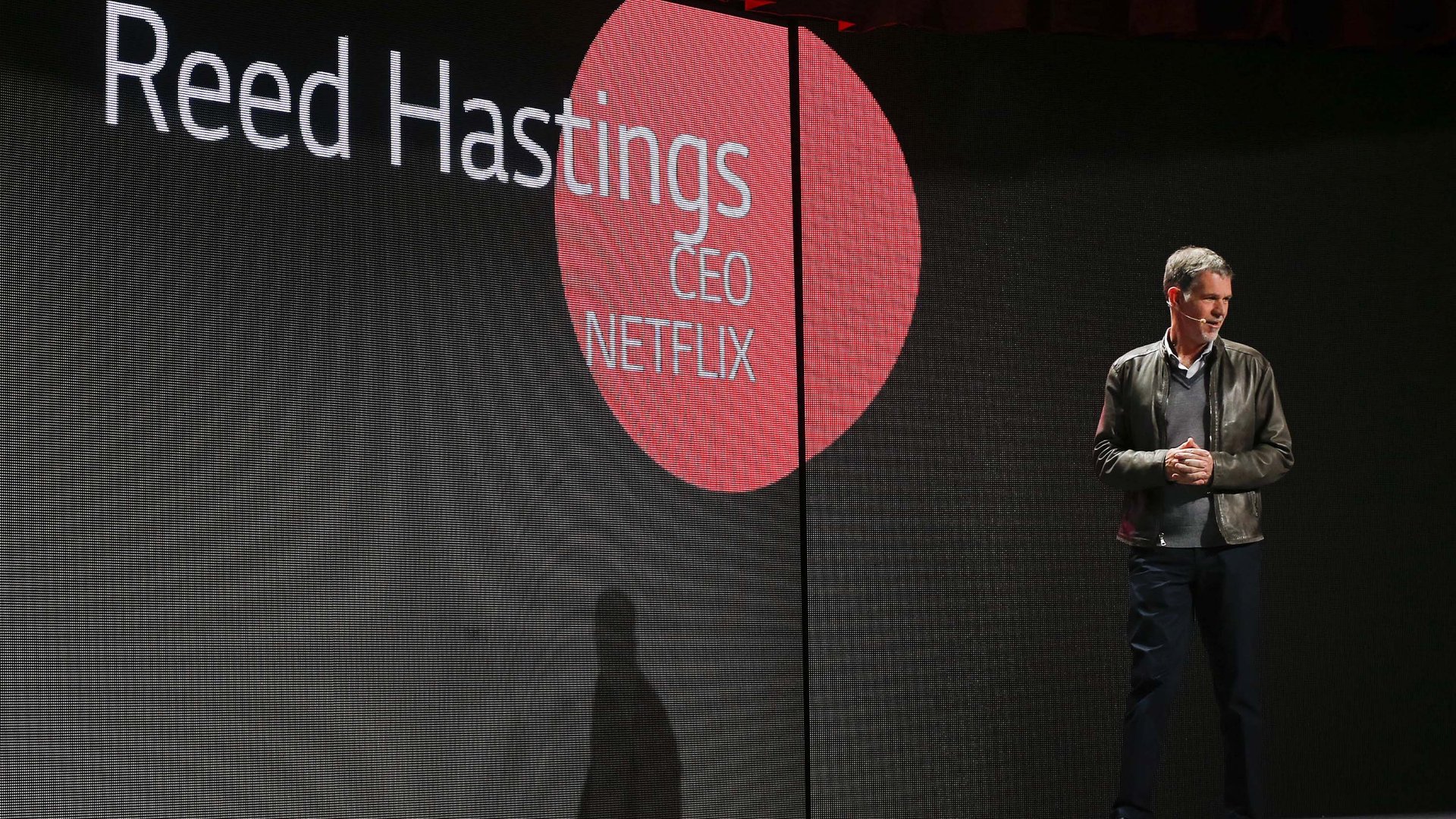
Seemingly out of nowhere, technology stocks have started selling off hard. Despite a solid report on US jobs Friday, hot US technology companies such as Netflix, LinkedIn, Facebook, and Twitter limped into the weekend. Here’s weekly performance for some selected stocks.

In the US jobs report this morning, attention was on the slightly disappointing 192,000 increase and the unmoving 6.7% unemployment rate. But the market did notch a milestone of sorts. The Bureau of Labor Statistics reported that the total number of private sector jobs climbed to 116.1 million. That’s higher than the previous peak in January 2008, when there were just shy of 116 million private sector jobs.

We’re snagging the most telling details from the depths of the just-released US jobs report. Here they are, in no particular order.

The big monthly US jobs report will be released tomorrow (April 5) at 8:30am. Along with most of Wall Street—economists expect 200,000 jobs were created—we’re pretty optimistic.

Tunisia, Argentina, Brazil and Thailand are home to some of the world’s most math-phobic 15-year-olds.

We’ve already spotlighted some of the biggest financial losers of the first quarter. (We’re looking at you, bitcoin.)

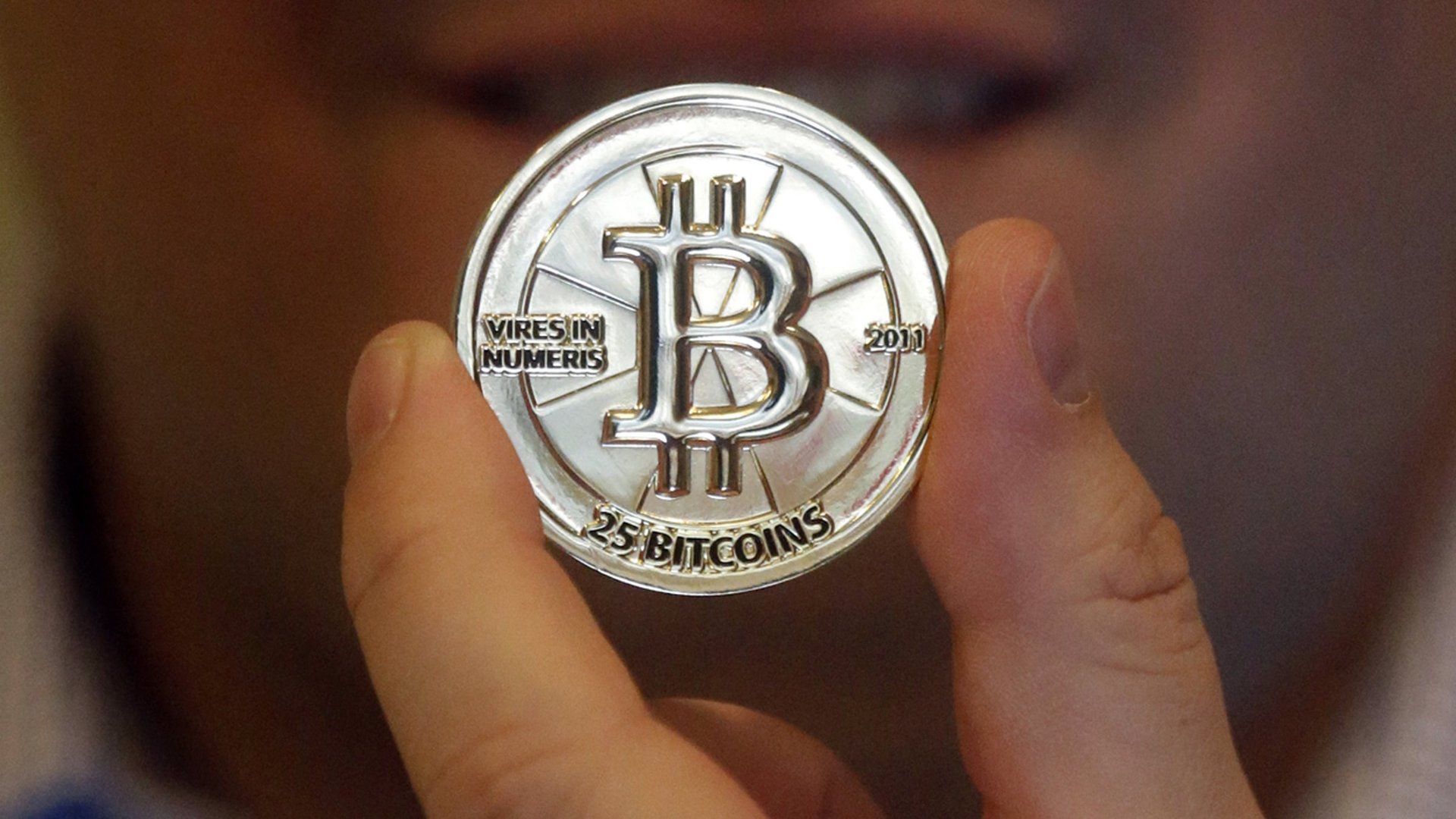
You’d have to hunt pretty hard to find a worse investment over the last three months than bitcoin.

The ideas aren’t new. Unsavory elements of high-speed computerized trading have been a concern since at least May 2010, when the so-called “flash crash” struck US exchanges. (Die-hard market geeks were concerned long before that.) But Michael Lewis’s new book Flash Boys, on the perils of high-speed computerized markets, could still be important if only because it cuts through the dense webbing of jargon and complexity that has proven dangerous to the US financial system and the economy as a whole.

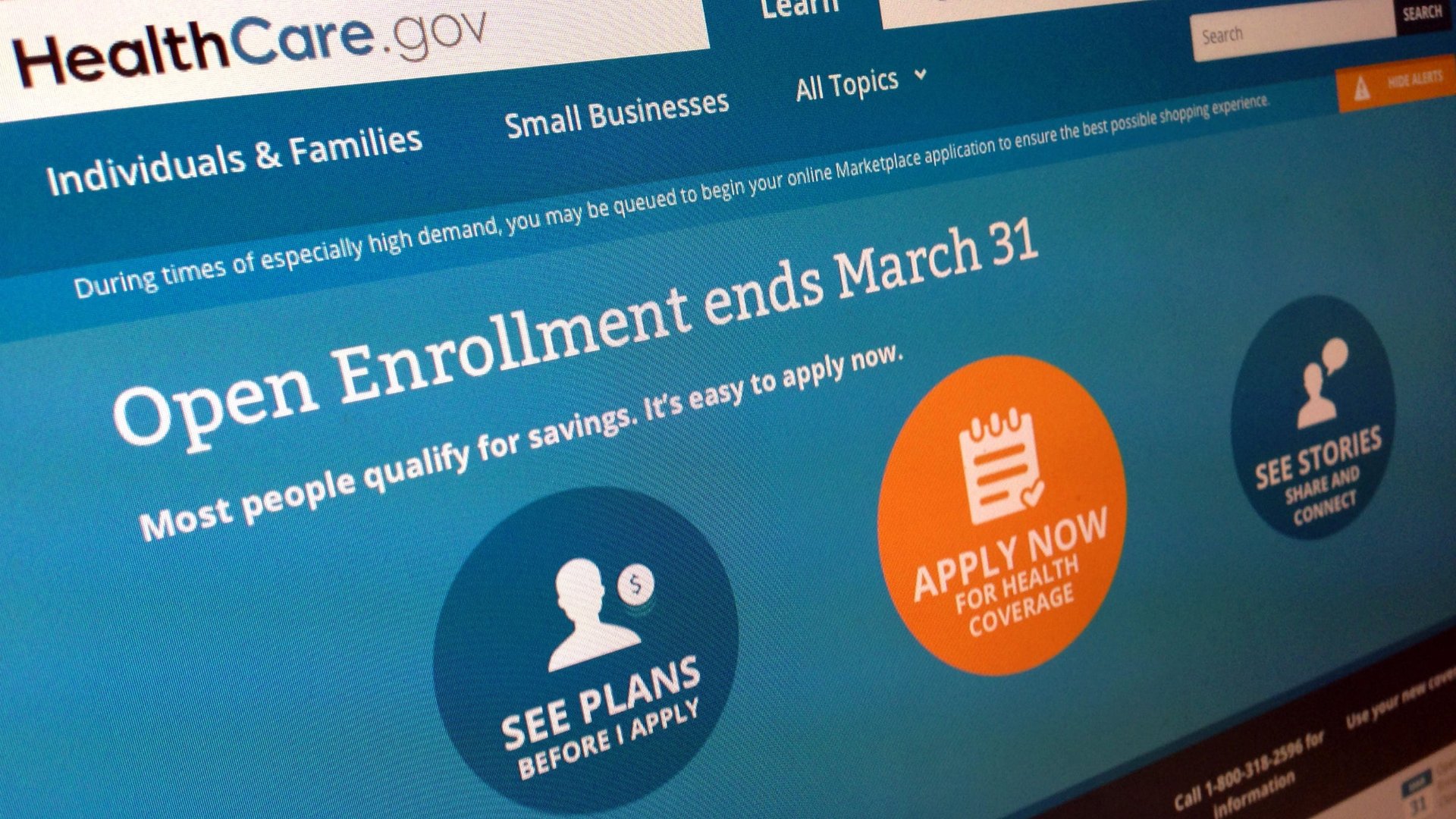
Forget all the feel-good stuff about looking after the wellbeing of fellow citizens. When it comes to the impact of Obamacare—the deadline to sign up for the new US healthcare program is today—budget geeks have one key question: Will it rein in the decades-long spiral in healthcare inflation?

The handy Australianism “no worries”—usually used in place of “you’re welcome”—has been burrowing deeper into the heart of American English.

Brazil was just downgraded. Russia’s profitable oil-and-gas pipelines are under threat after its Crimea caper. India’s growth rate is half what it was a few years ago. China is trying to forestall a possible “Bear Stearns moment.”

Winter is not quite over for capex.

If American television junkies are hesitant to cut the cord and go cable-free, it’s likely because of sports—one of the few bits of programming that can’t usually be watched more conveniently on other platforms. That makes high-profile sporting events especially valuable to both cable companies and advertisers. And that’s why ESPN is the most valuable television channel in the United States, and will likely remain so.

Netflix shares are cratering today, on news that Apple is in talks with Comcast to gin up a new streaming television service.

The bond markets are loving Irish government debt. Sky-high Irish unemployment is slowly trending lower. And Irish consumers are feeling better than they have since the boomiest moments of the Celtic Tiger economy.

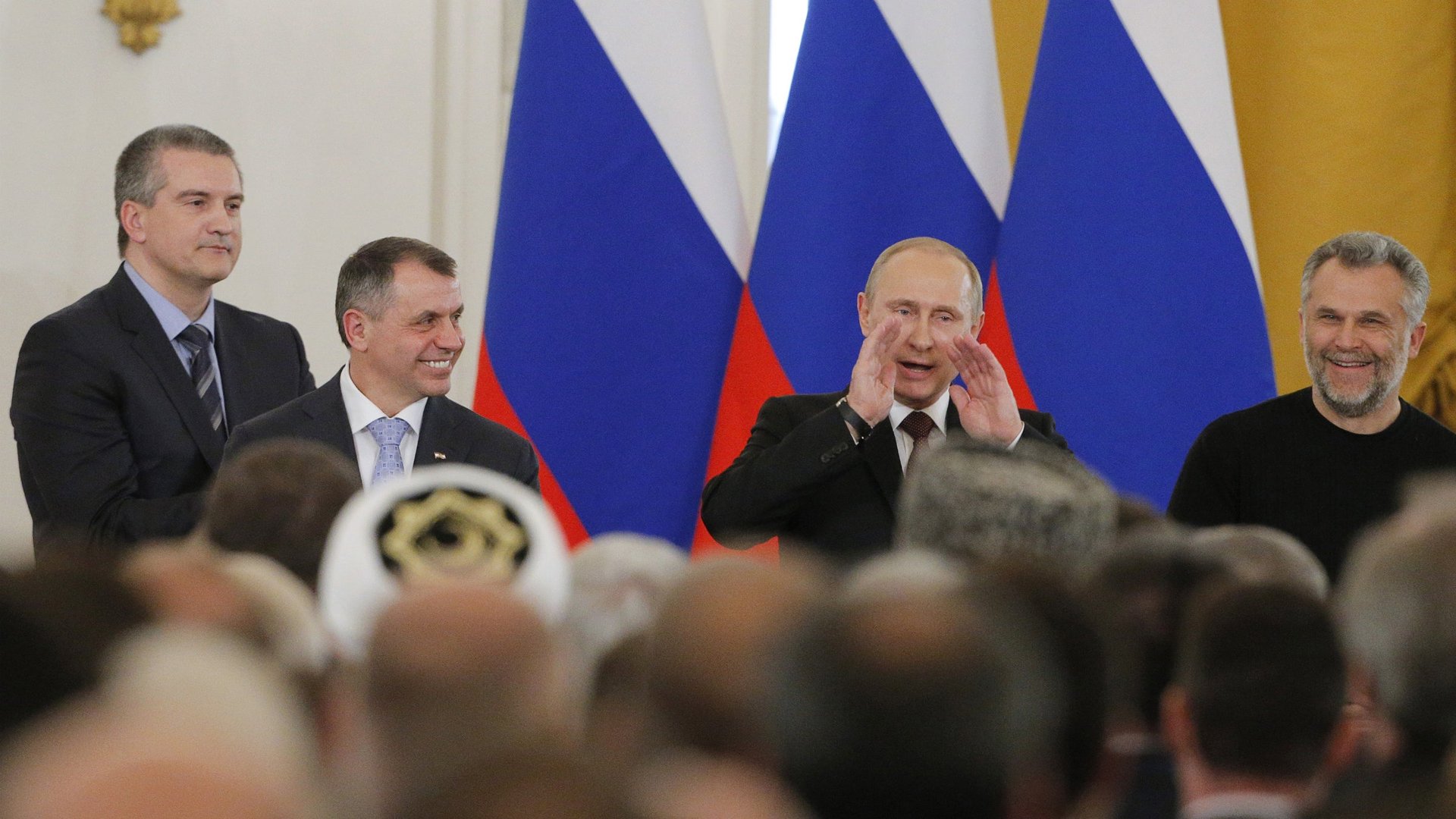
The credit rating company Standard & Poor’s says it may cut its rating on the Russian Federation’s government bonds, citing the economic damage that Russia’s move into Crimea has already done to the country. “In our view, the deteriorating geopolitical situation has already had a negative impact on Russia’s economy,” S&P analysts wrote.

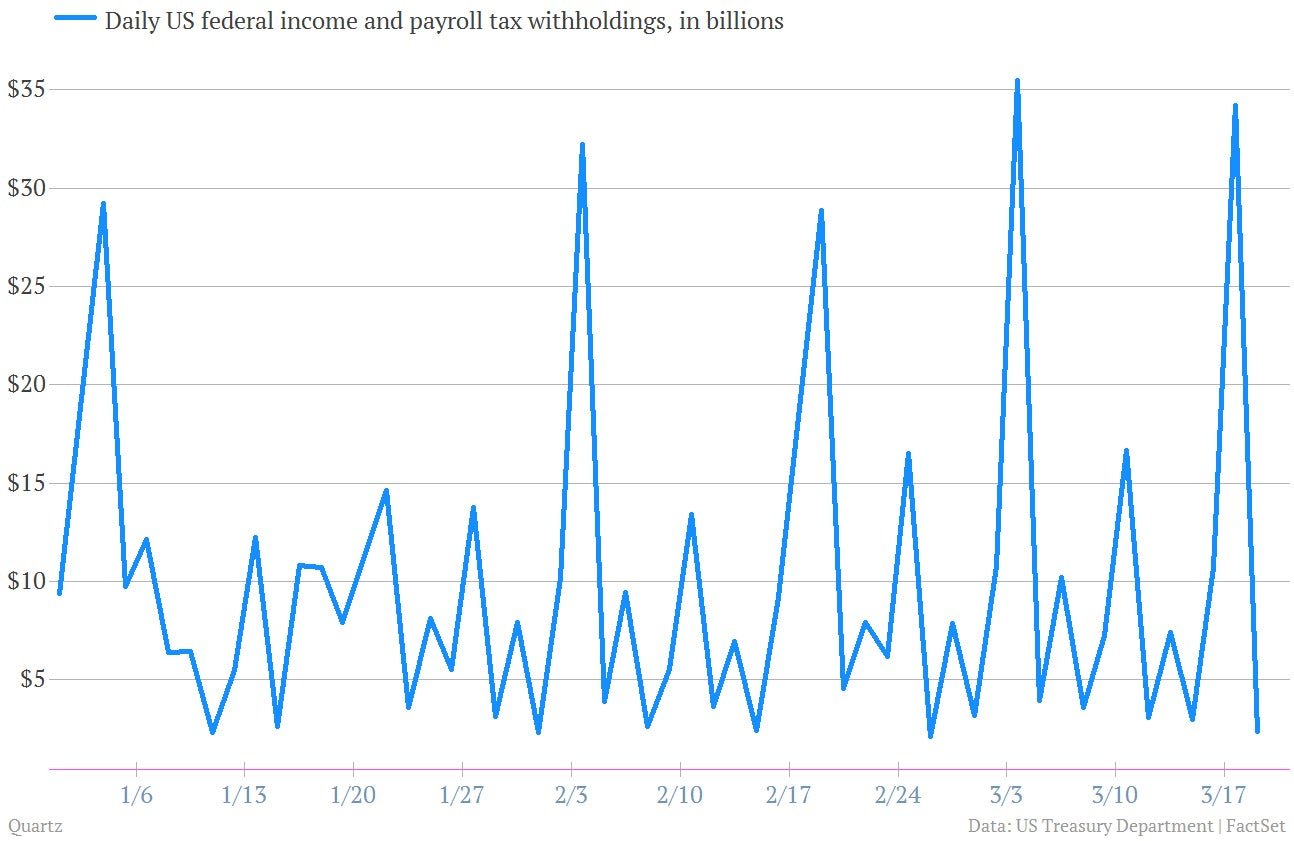
Believe it or not, this is one of my favorite economic indicators. It’s the US Treasury’s daily update on how much federal tax withholdings the department is pulling out of American paychecks. I know, I know. It’s a bit noisy. But if you slap a 50-day moving average on it and look at the year-over-year change, it actually seems to tell you something. The upshot? Federal income tax withholdings have surged lately. Now this can mean a couple things. It can mean that US wages are starting to pick up. It can also mean that there are simply more people with jobs who are getting pay checks. It can also mean the Federal government is just taking more money out of people’s paychecks. That’s what happened last year, when a US payroll tax holiday—a form of stimulus aimed at supporting economic growth—expired. That meant payroll taxes went up. But other analysts are looking at this data too. For instance Bank of America Merrill Lynch analysts built this chart on the same numbers. Their conclusion?

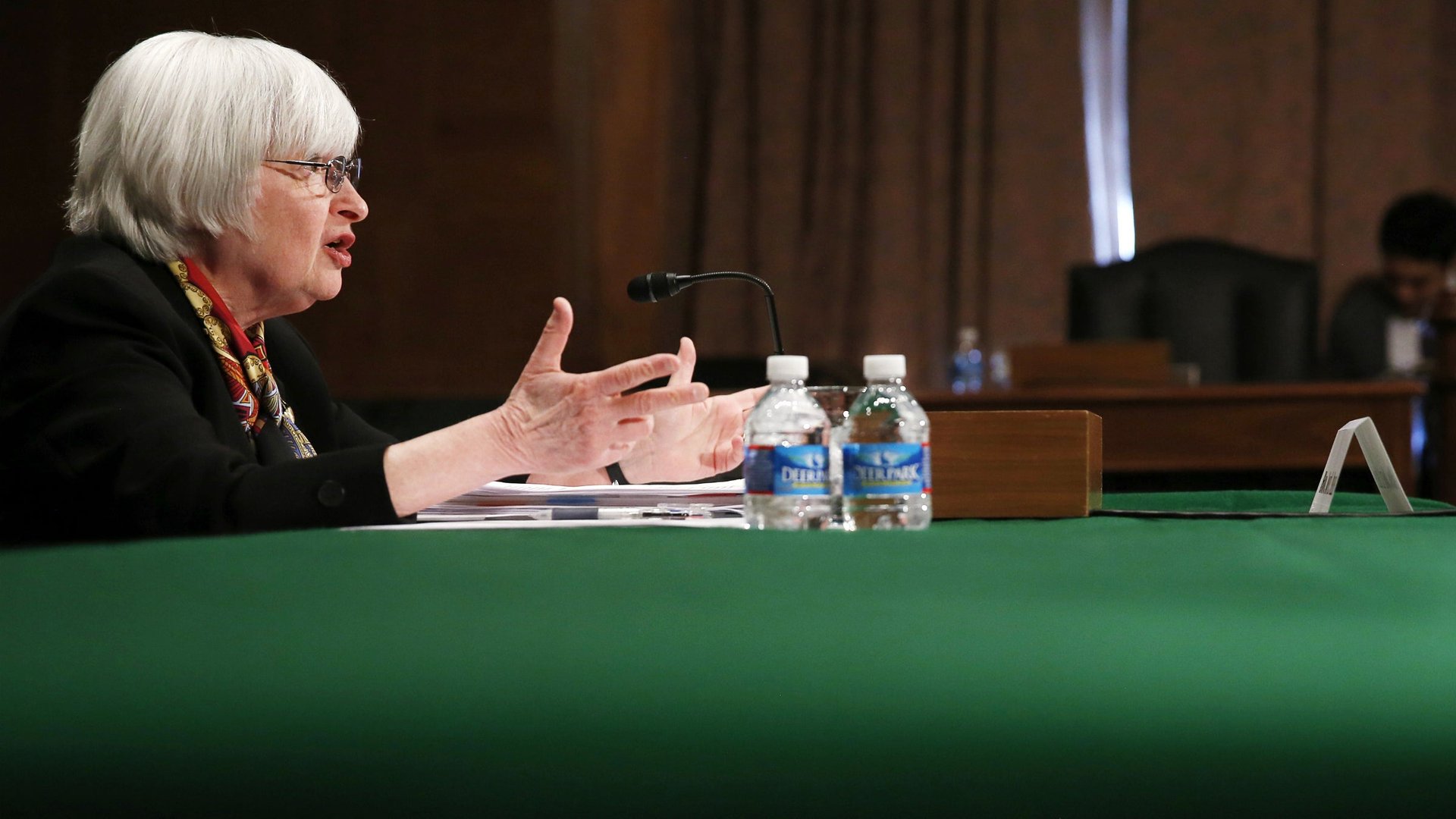
Markets found the US Federal Reserve’s statement less supportive of the economy than expected. When the central bank issued its monetary policy statement this afternoon, stocks fell, the US dollar strengthened, and yields on interest rates rose. All of that is consistent with a market that’s bracing for slightly higher interest rates.

Not long ago, hedge fund managers were deeply in love with General Motors.

You’d think by now the markets would get the message.