
Business News
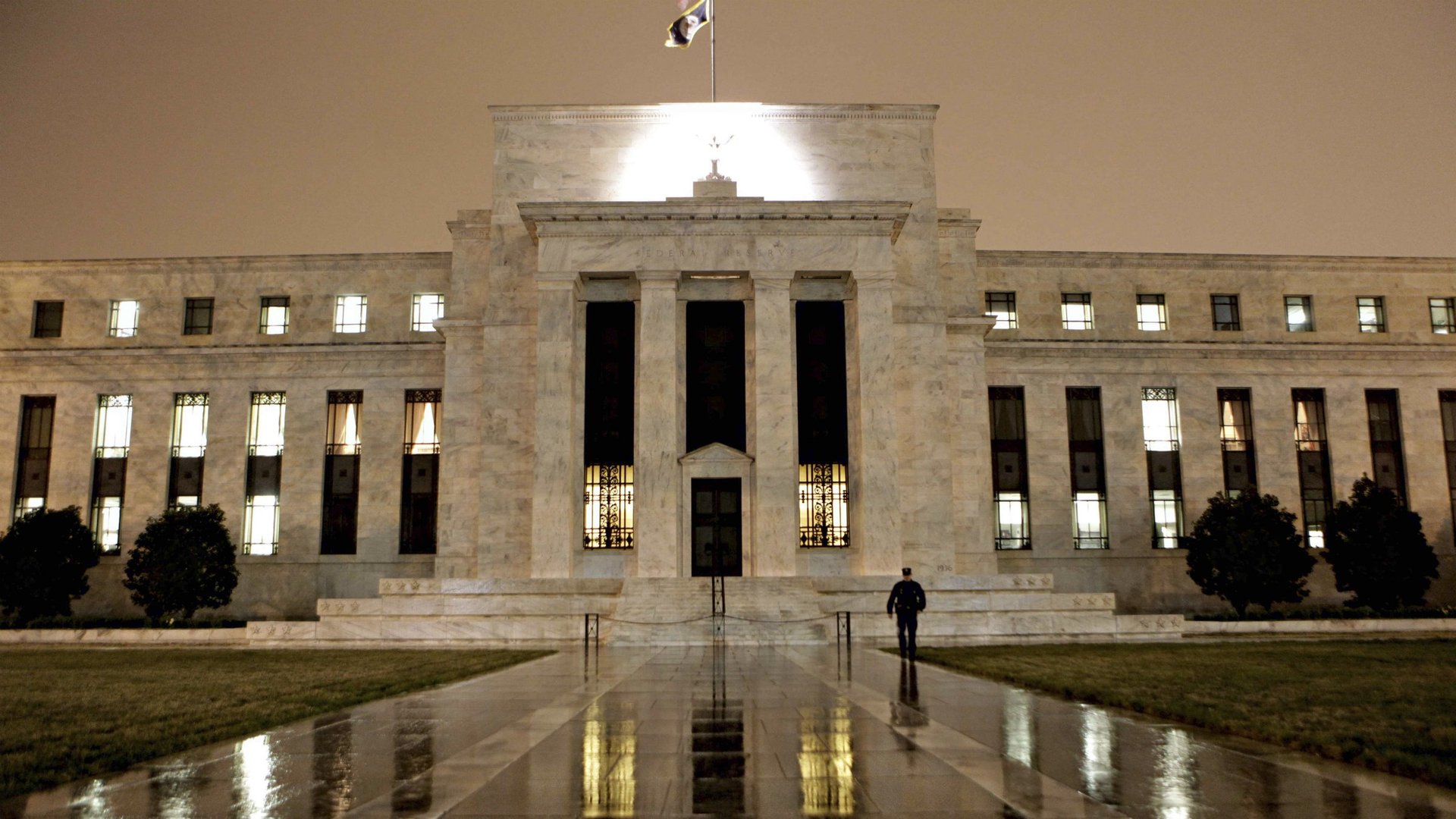
Here’s where every major bank stands on whether the Fed will taperUpdate: The Fed announced that it would taper, reducing its bond-buying program by $10 billion a month to $75 billion.
Updated July 21, 20223 min read
Update: The Fed announced that it would taper, reducing its bond-buying program by $10 billion a month to $75 billion.

Builders broke ground last month on the most new houses in nearly six years, suggesting an important pillar of the US economy continues to grow even after mortgage rates rose sharply.

The life of a budding American lawyer isn’t what TV shows like “L.A. Law” once made it out to be.
Even if the rent isn’t too damn high, it’s definitely higher.
A chart is a powerful thing.

There’s a notion in the air that, after the Great Recession, the US might not be able to grow as fast as it used to.

A dollar goes a lot further than it used to.

The bailout era is about to end in Ireland.
The Federal Reserve’s balance sheet is on its way to becoming one of the biggest numbers in economics.

It’s clearly been a remarkable year for Netflix shares.
It’s that time of the year again when investors take a step back and fantasize about the voluptuous returns they might have enjoyed, had they the prescience to buy some asset class or another. Here are some of the best bets that you might have made in 2013.

For a long time now, global demand for commodities has been almost inextricably linked to Chinese industrial growth. Of course, now we’re told that China is slowly trying to rebalance its economy away from the industrial investment that drove its growth toward more domestic consumption. That’s an important shift, with big implications for commodity producers.
China’s growth is widely expected to keep slowing over the next year. And economists have been debating (paywall) whether the powers-that-be in the People’s Republic are likely to acknowledge that fact by trimming next year’s growth target down to 7% from this year’s 7.5%.

General Motors executive Mary Barra was tapped as the auto behemoth’s next CEO. When she takes over the reins after current CEO Dan Akerson’s retirement in January, she’ll be the first woman to run a global auto company. Here’s how she got there.
Americans appear to have made real progress in patching up their personal finances.

In terms of sheer numbers, the top metro area in the world when it comes to filing for patents is the one you’d expect: San Francisco.

The summer’s panic around the weakening rupee seems to be long forgotten.

A report from the Hellenic Statistical Authority today showed the country’s economy continued to shrink in the third quarter, with economic output down just shy of 3%. If there’s any silver lining to be found, at least the economy isn’t shrinking at quite the terrifying pace of just a few quarters back. (During the first quarter the economy shrank by 5.5%.)
As we mentioned, the strong November jobs report turned attention once again to the timing of the taper. But it’s worth remembering the oft-mentioned dual mandate of the Federal Reserve. By law, the US central bank must focus on both maximizing employment as well as ensuring “price stability.”
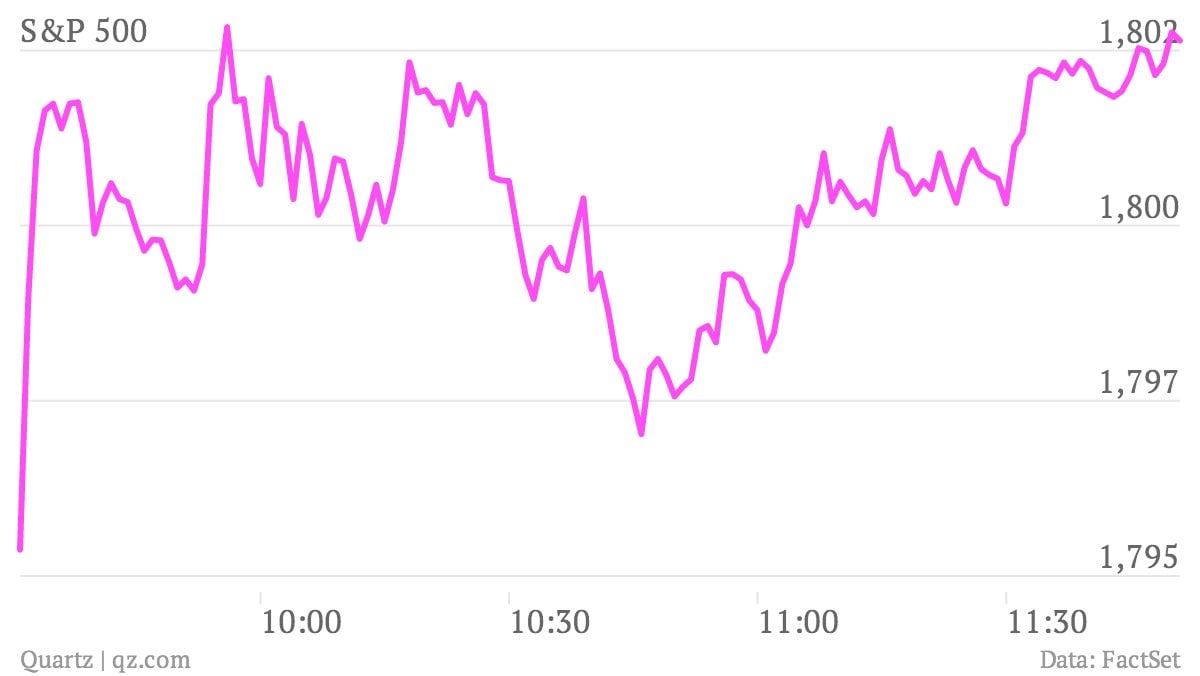
Rock solid November US job data turned the attention of Wall Street analysts back toward the taper today. As anyone following financial markets this year could tell you, the taper is a near-mythical moment when the Fed will begin to ease up on the amount of government guaranteed bonds it buys each month. (The bond buying program is currently set on autopilot to the tune of $85 billion a month.)
The US jobs report was pretty strong, even after digging into the details.
There was a lot of big economic data out on the world’s largest economy today.

The Fed’s just-released anecdotal update on the state of the US economy—the Beige Book—painted a relatively rosy picture. It indicated that the US economy expanded at “at a modest to moderate pace from early October through mid-November.” The report, which comes a couple weeks ahead of the Fed’s next meeting, spotlighted ongoing strength in consumer spending, manufacturing and residential real estate. But it wasn’t all sunshine and puppies.
US exports touched a record high of nearly $193 billion in October, thanks, in part, to a jump in petroleum exports. The jump in outbound shipments helped shrink the US trade deficit to $40.6 billion.