
Tech & Innovation
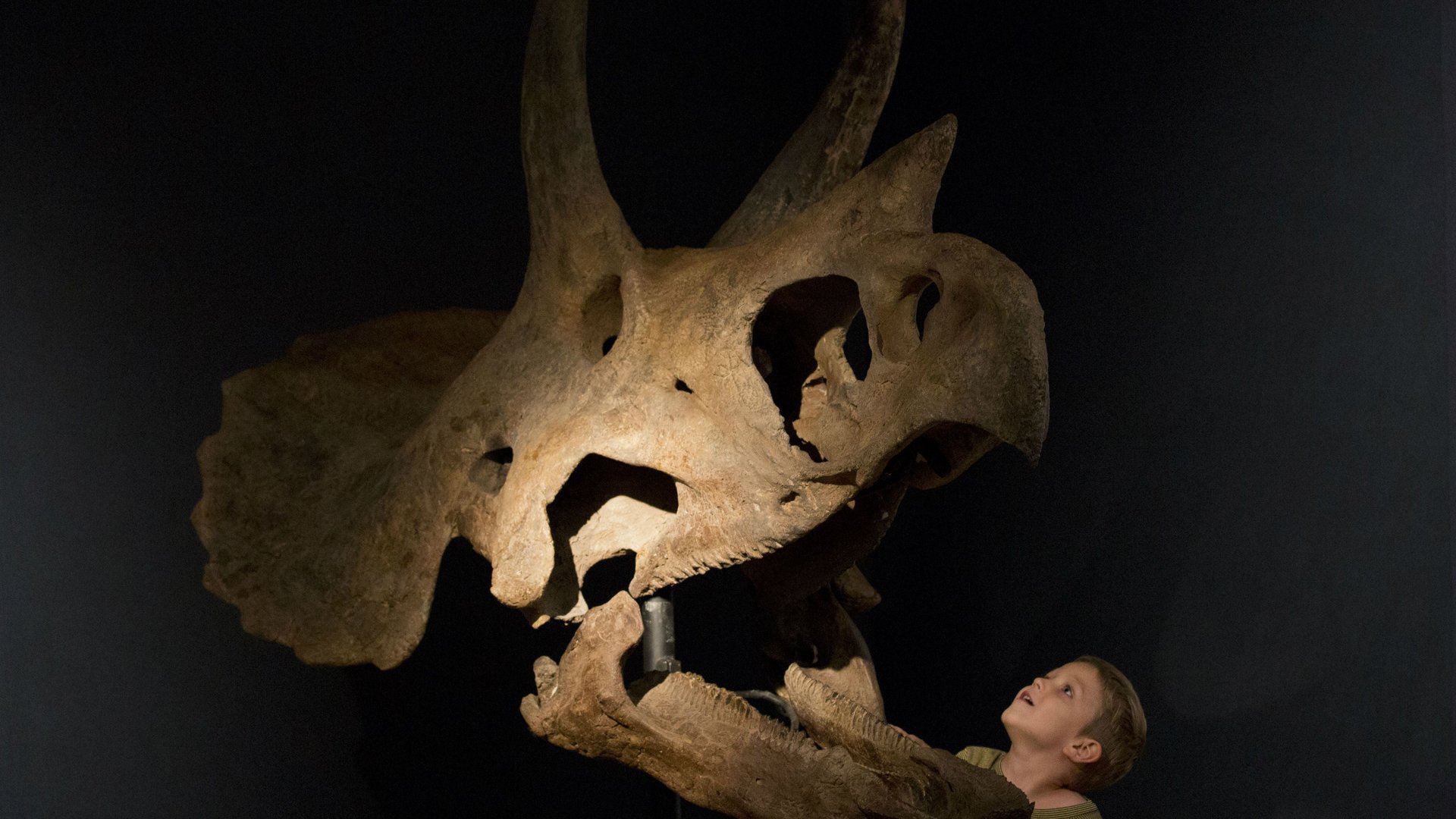
All hail triceratops, king of the vegetarian dinosaursThe planet’s second-most-famous dinosaur of all time is probably best known for its horns—its name, in fact, means “three-horn face.”
Updated July 20, 20222 min read
The planet’s second-most-famous dinosaur of all time is probably best known for its horns—its name, in fact, means “three-horn face.”
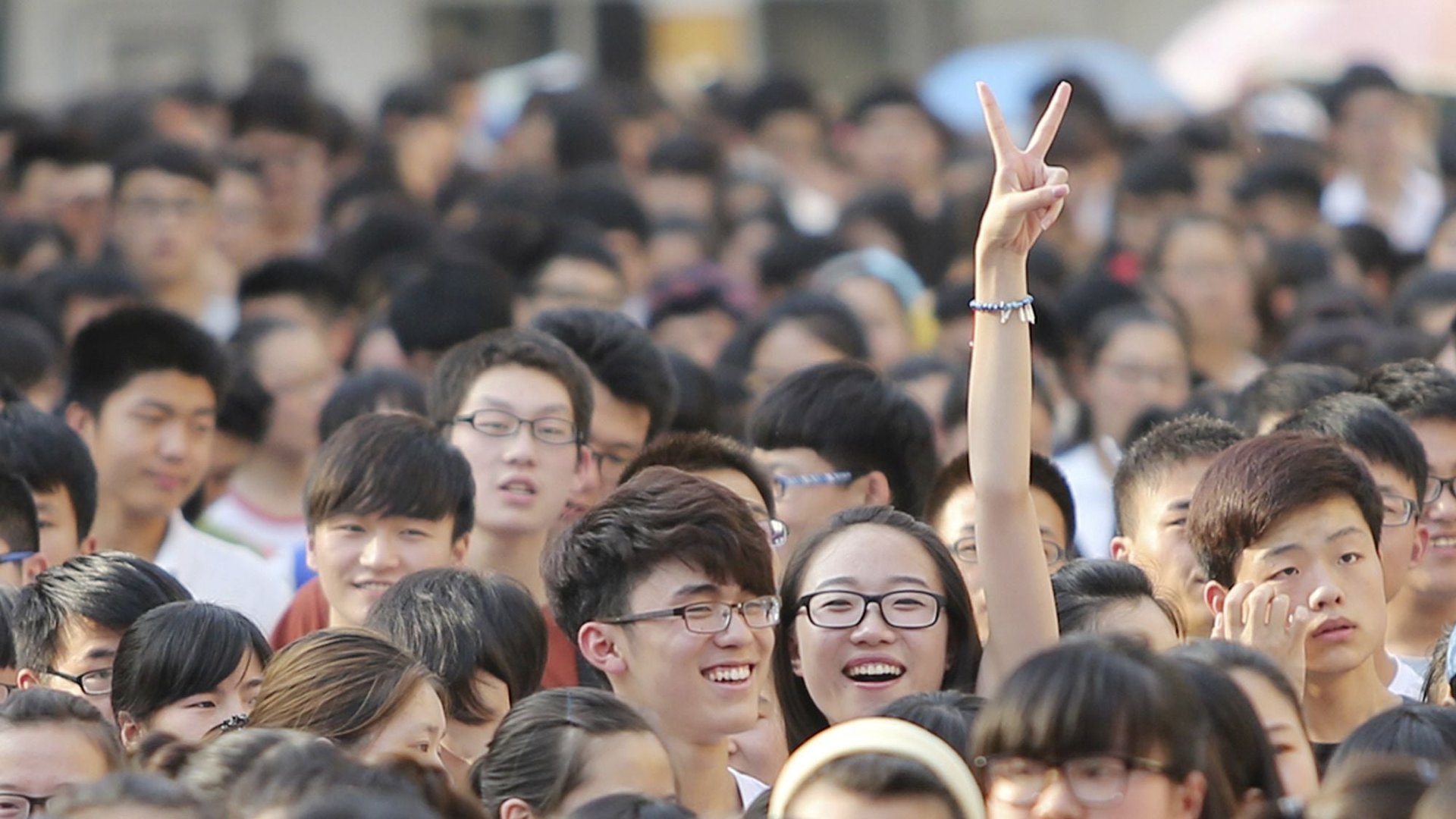
When the journalist Eric Fish was researching a book about Chinese millennials, one of his subjects told him: “Be sure to say that we post-90s people aren’t just idiots. Foreigners always think we’re brainwashed.”
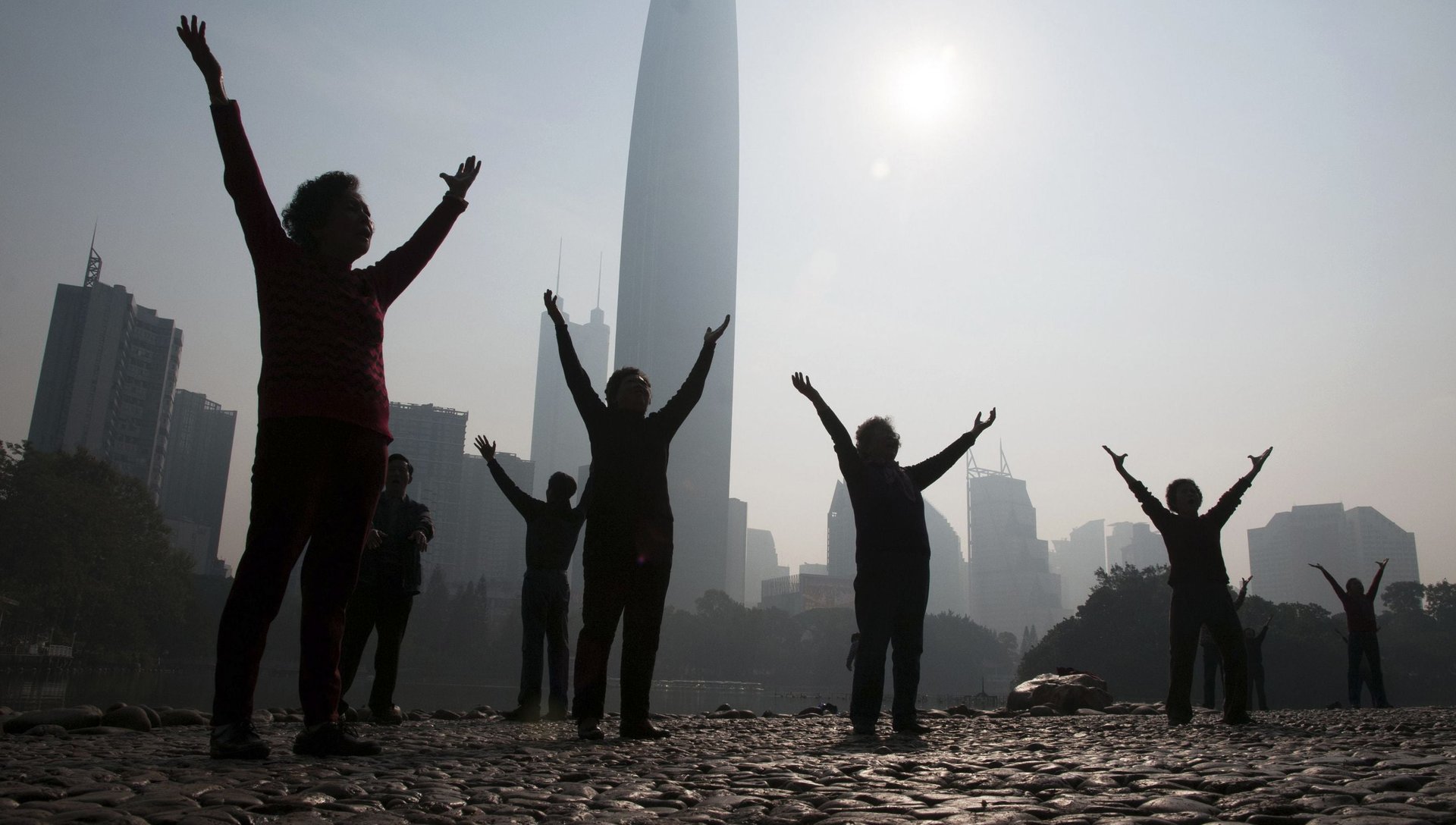
Breathe a big sigh of relief. China’s housing market finally seems to be reviving. The 7% rise in national property sales in April was the first growth in 15 months. Prices for Soufun’s 100-city index nudged into positive territory last month too, as the recent relaxation of property-purchase rules and monetary loosening took effect.
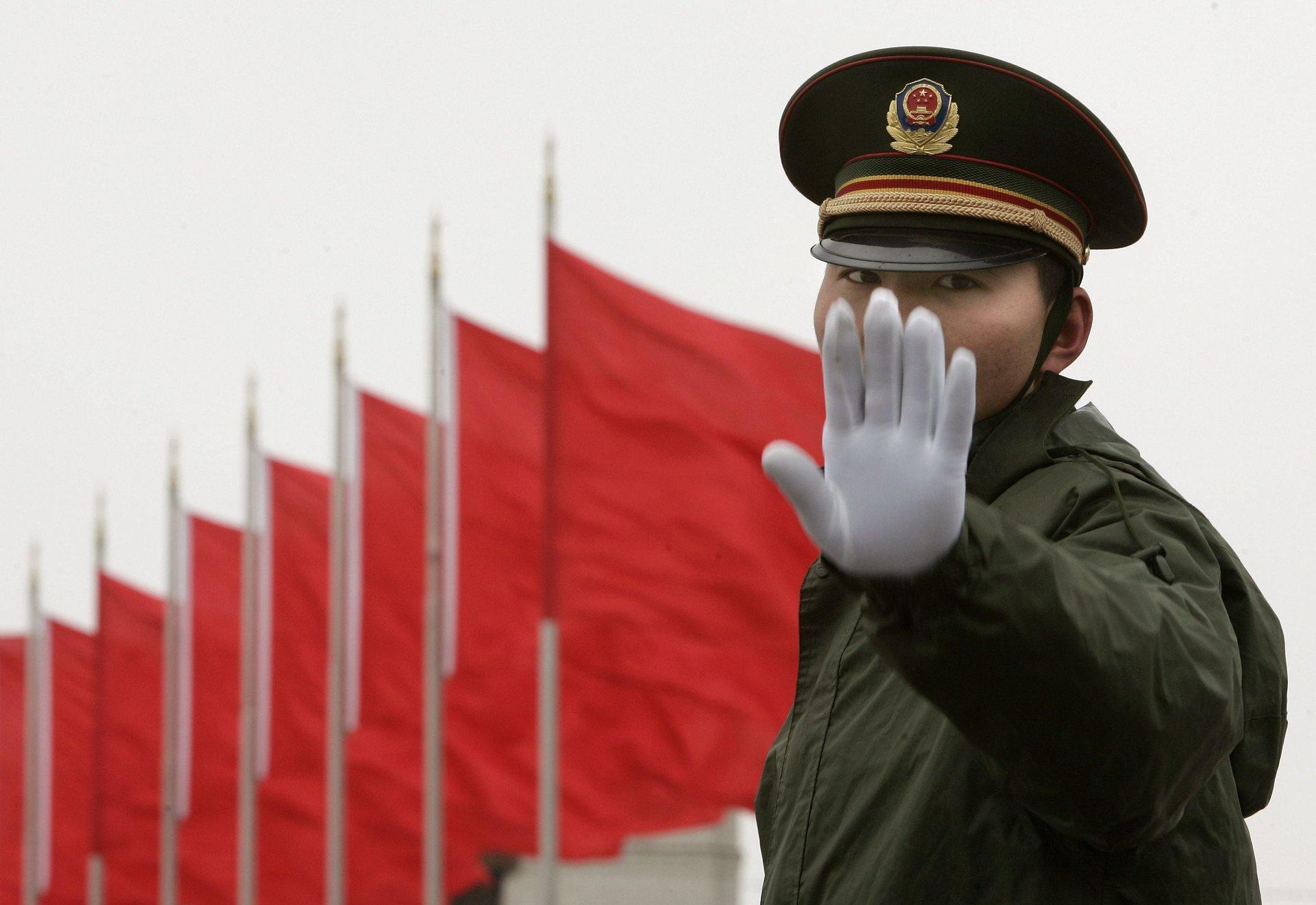
26 years ago tomorrow, the People’s Liberation Army mowed down protesters in Tiananmen Square and elsewhere in Beijing. Though it’s never openly discussed in China, behind closed doors people refer to the massacre simply by its date, “six-four,” for June 4th. And of course, it’s never publicly mentioned because the Chinese government censors the heck out of any attempt to bring it up—especially around the anniversary each year.
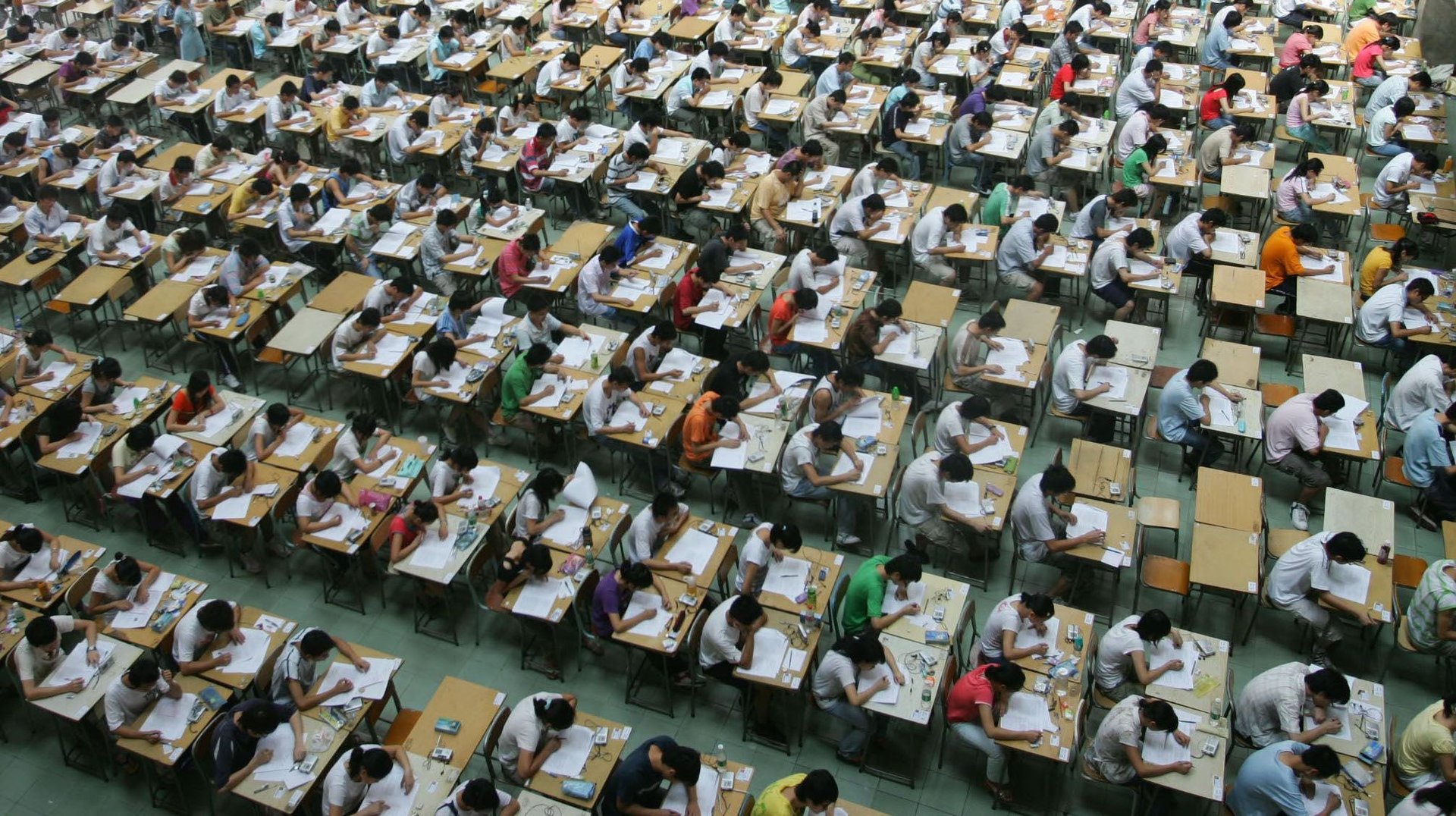
This time each year, more than 9 million Chinese teenagers are packed into examination halls to take the “gaokao,” a grueling, memorization-heavy, two-day exam that determines which universities they go to. At least two million of them won’t get in at all—and the gaokao can determine a student’s entire career path, since a given university often feeds into a specific industry.

US health authorities have just confirmed a second case of Bourbon virus, a rare illness doctors believe to be spread by ticks. The virus—which was first found only a year ago in, in Kansas—is the latest among a slew of newly discovered tick-borne pathogens.

China’s stock market soared once again today, with the Shanghai Composite climbing 4.7%, and sound economic news wasn’t the wind beneath its wings—manufacturing data were decidedly mixed.

The dengue epidemic that hit the small Atlantic island of Madeira in October 2012 was Europe’s first sustained spread of the virus since the 1920s. Between then and Feb. 2013, more than 2,100 people on the Portuguese tourist hub were infected, and some 82 took the virus with them back to mainland Europe.
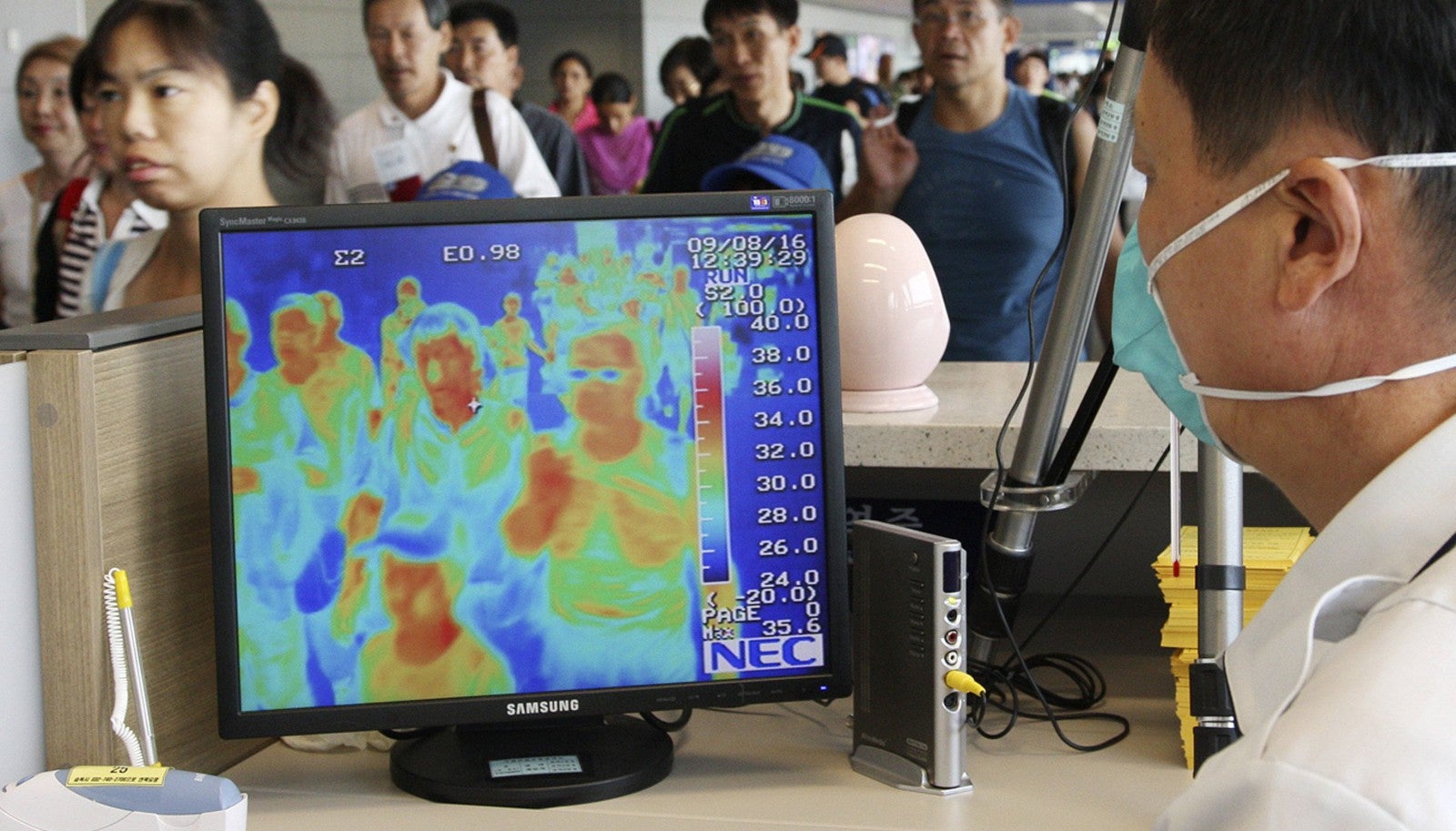
On May 20, South Korean officials confirmed what was Asia’s first-ever case of a potentially deadly coronavirus called Middle East Respiratory Syndrome (MERS). Just nine days later, MERS has already sickened nine in Korea—and has spread to China.

The Chinese stock markets’ long bull run finally went into reverse today—the Shanghai Composite index fell 6.5% and Shenzhen dropped 5.5%:
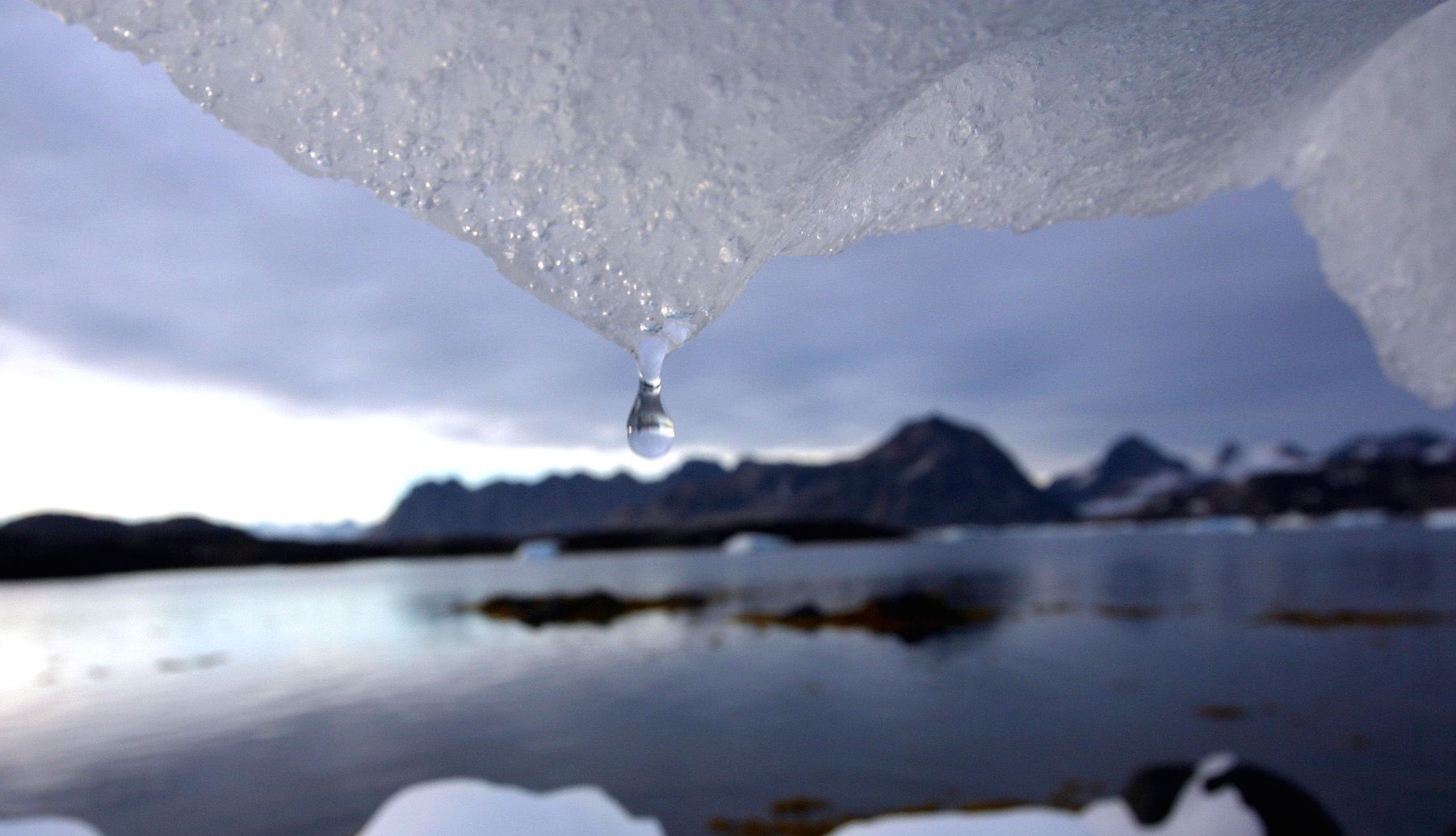
Throughout the ages, ice and snow mummified the bodies of those who met their unfortunate end in a glacial snowbank. Take, for instance, frozen bodies that poked through a glacier on Mexico’s highest mountain earlier this year. They are suspected to be two climbers who went missing in 1959.

Los Angeles and 25 other southern California cities are paying their residents up to $6,000 to dig up their lawns and put in fake turf and woodchips—part of a bid to help meet the state’s mandatory reduction in water use issued in April. That comes out to about $2 per square foot of lawn replaced.
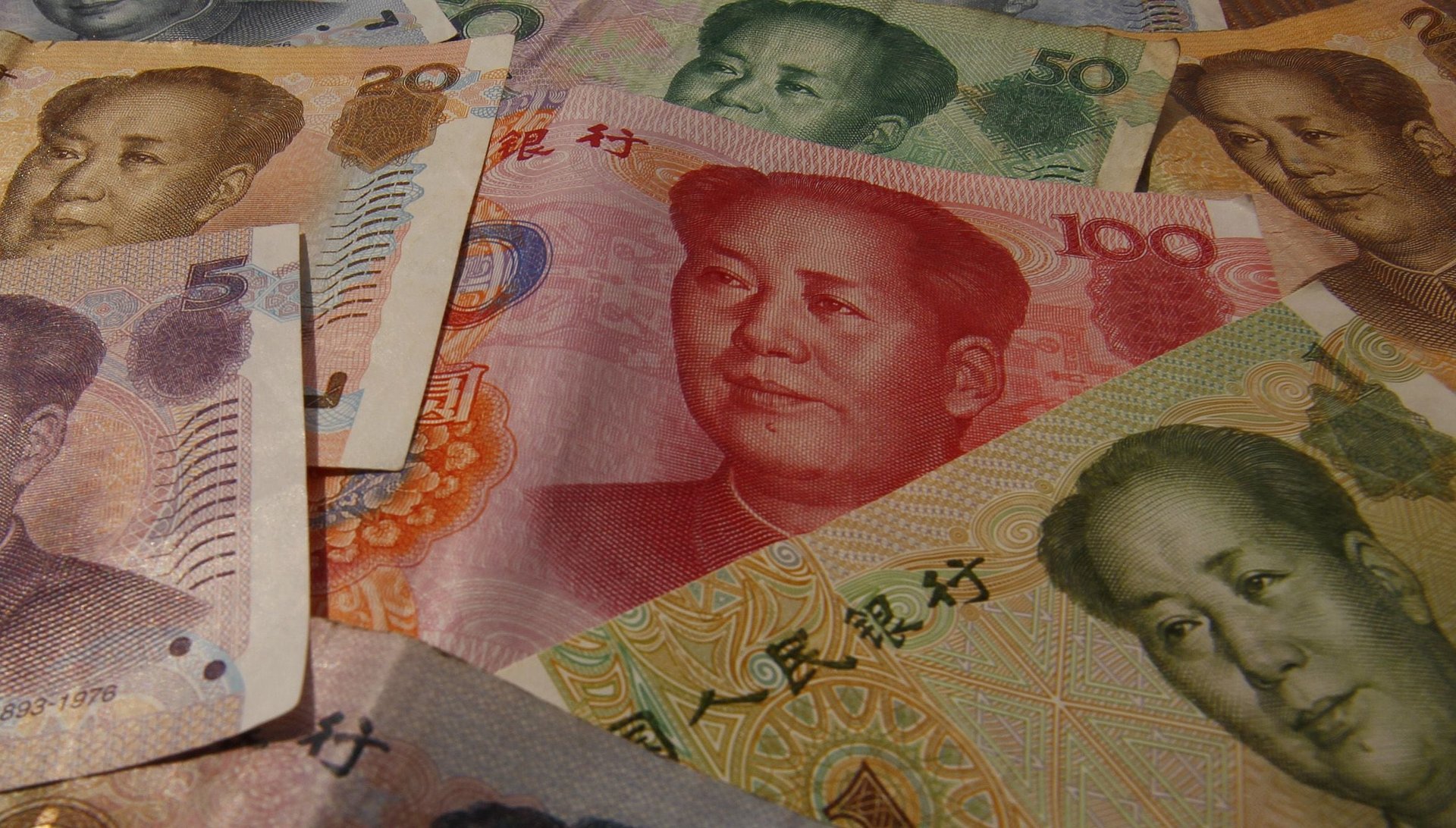
For more than a decade, China’s taken a verbal beating from other countries for keeping its currency unfairly cheap. Those days might finally be over. The yuan (a.k.a. the renminbi) is no longer undervalued, the International Monetary Fund’s Markus Rodlauer said earlier today, while also urging Chinese leaders to allow the currency to trade more freely.

This weekend, Americans will remember their fallen soldiers, a holiday traditionally observed with barbecues and the Indianapolis 500 car race. The US military isn’t the only industry that often asks the ultimate sacrifice of its workers. Some 4,585 American civilians died in the line of duty in 2013, according to data from the Bureau of Labor Statistics (pdf). Certain jobs in particular are alarmingly risky:
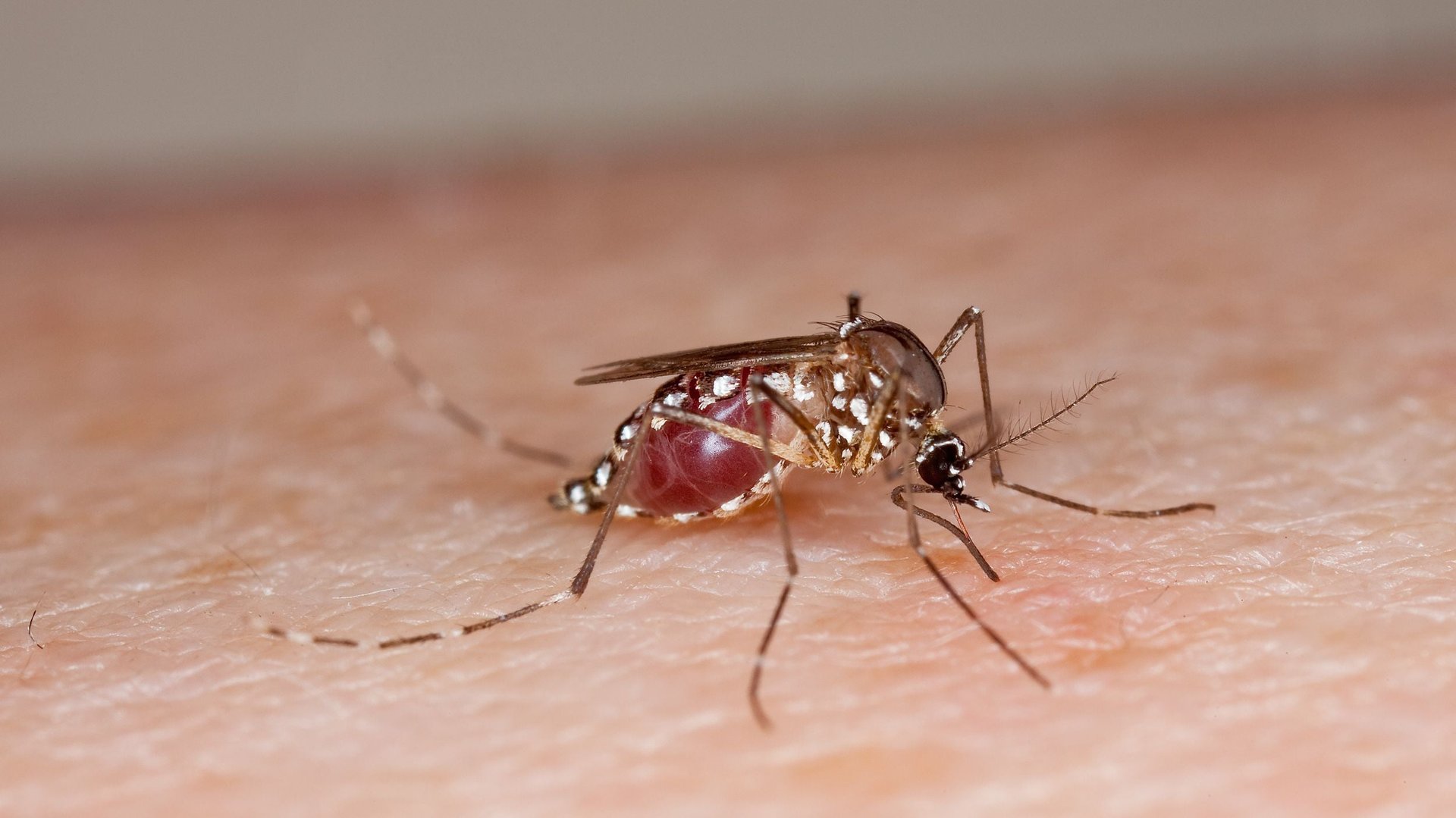
Each year, the mosquito that spreads the viral triad of yellow fever, dengue, and chikungunya kills around 56,000 people worldwide, sickening another 100 million. Or to be more precise, the female mosquitoes do. Since mosquitoes suck blood when they need to lay eggs, males aren’t the problem.
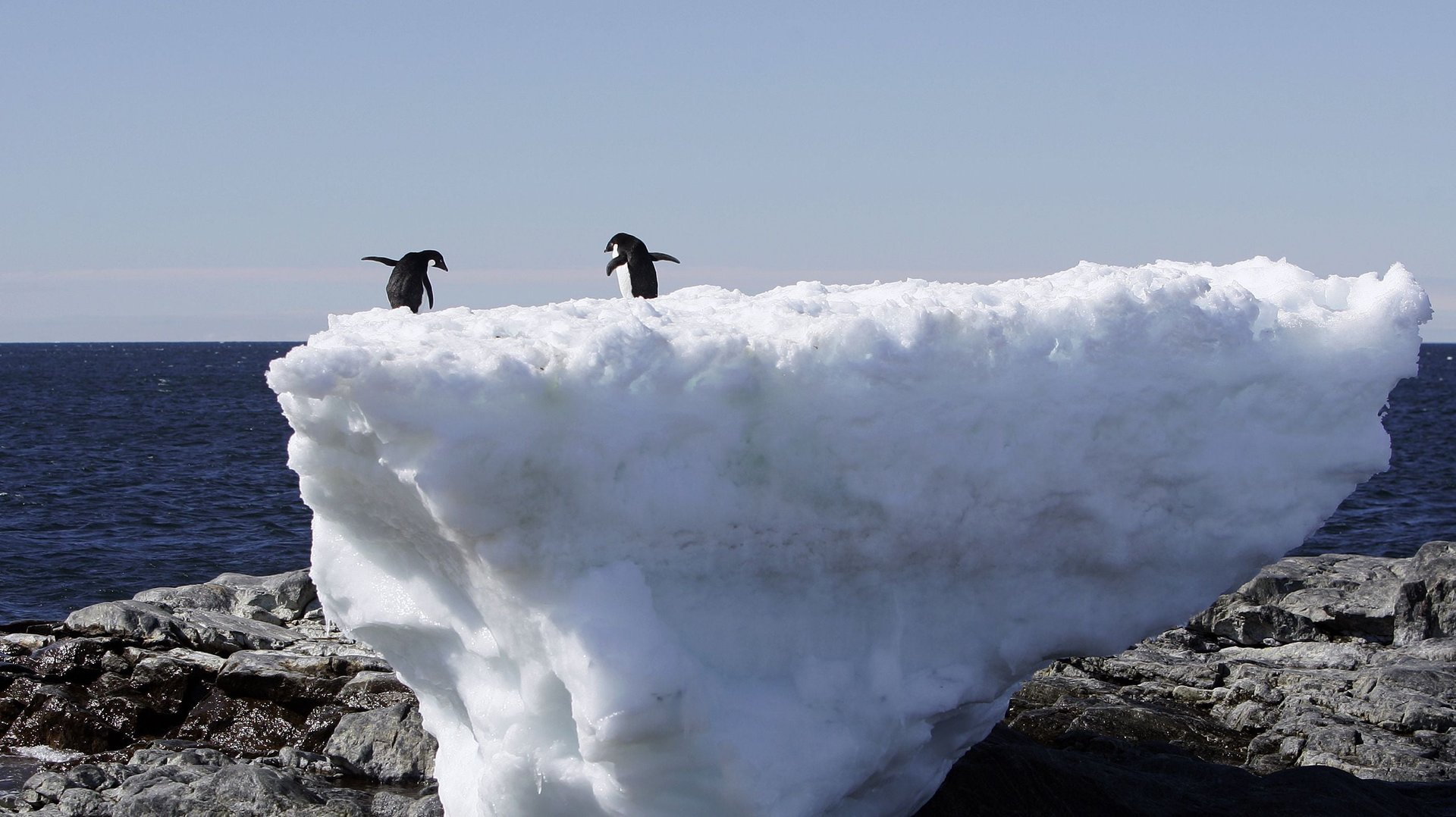
Things have been getting slushy on the bottom of the planet. But not the Southern Antarctic Peninsula, that tongue of ice and land that flicks up toward Chile. Or at least, that’s what scientists had thought.

Conventional wisdom holds that the biggest factor in America’s swift and stunning shift toward supporting gay marriage is, simply, coming out. While many LGBT people can personally attest to this phenomenon, social science hadn’t backed it up—until recently, that is. In December 2014, a groundbreaking study published in Science (paywall) confirmed it. When a gay canvasser spoke one-on-one with a voter about same-sex marriage, the conversation prompted favorable views of gays and lesbians that endured much longer than the same conversation between a voter and a straight canvasser.
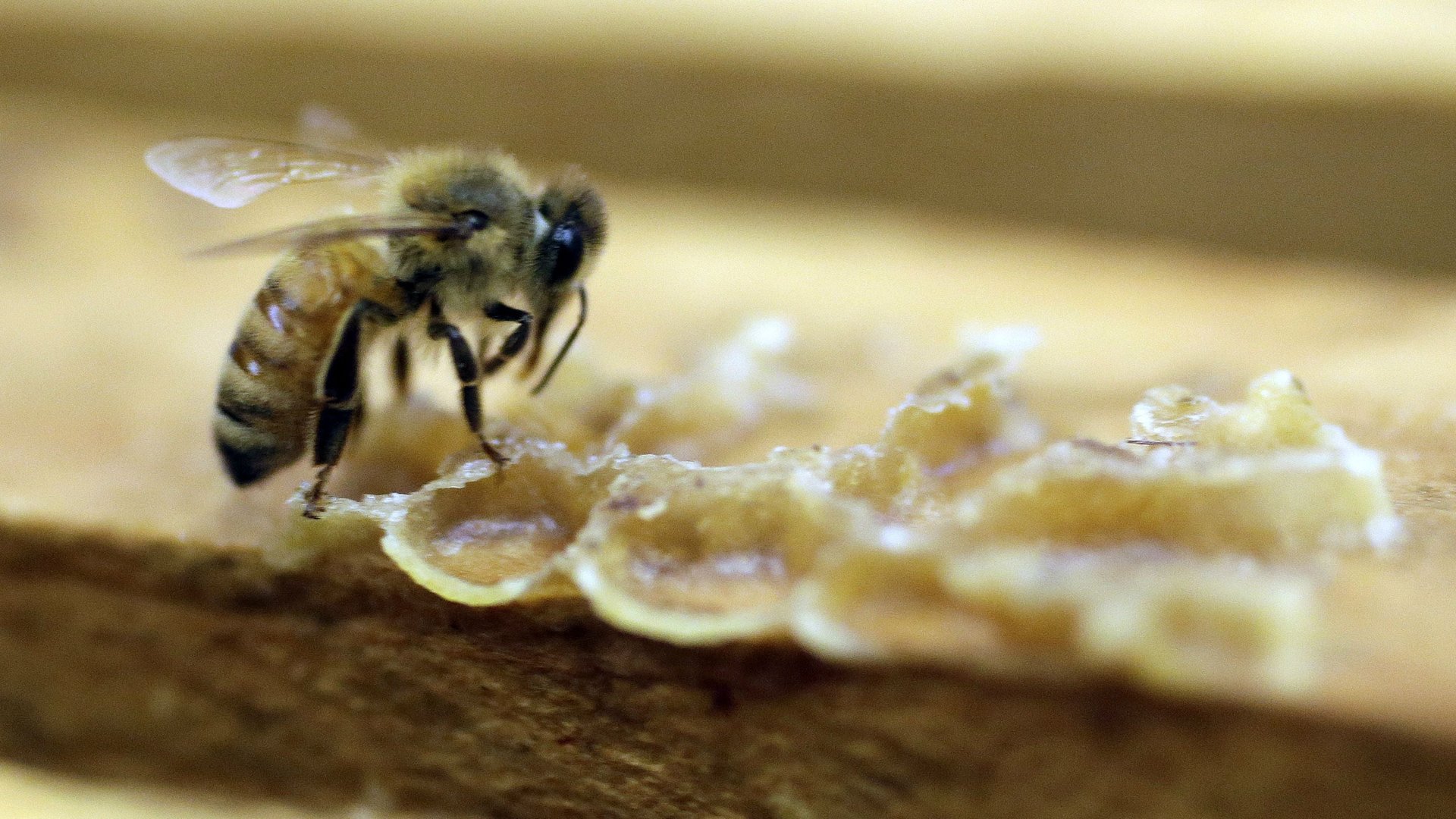
The plight of the honey bee might finally be getting the attention it deserves. Earlier today, the Obama administration released the ”National Strategy to Promote the Health of Honey Bees and Other Pollinators” (pdf), its long-awaited plan to combat the host of factors that have whittled down honeybee colonies from 5 million in the 1940s to 2.7 million today.
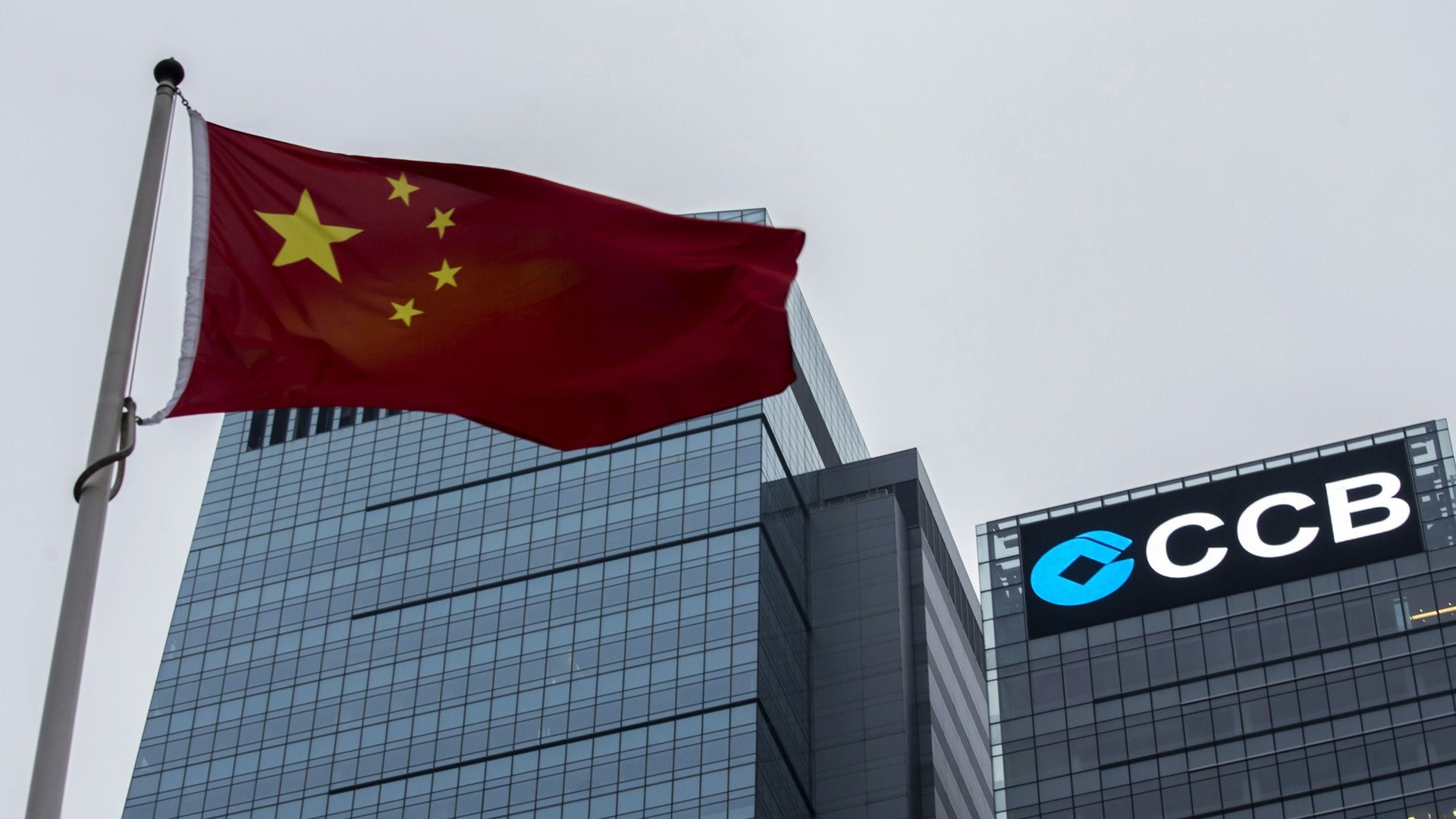
Yet another sign of China’s global domination: All but one of the five biggest, most powerful companies in the world are Chinese state-owned banks. That’s according to Forbes annual Global 2000 list, which measures public companies based on revenue, profit, assets, and market value.
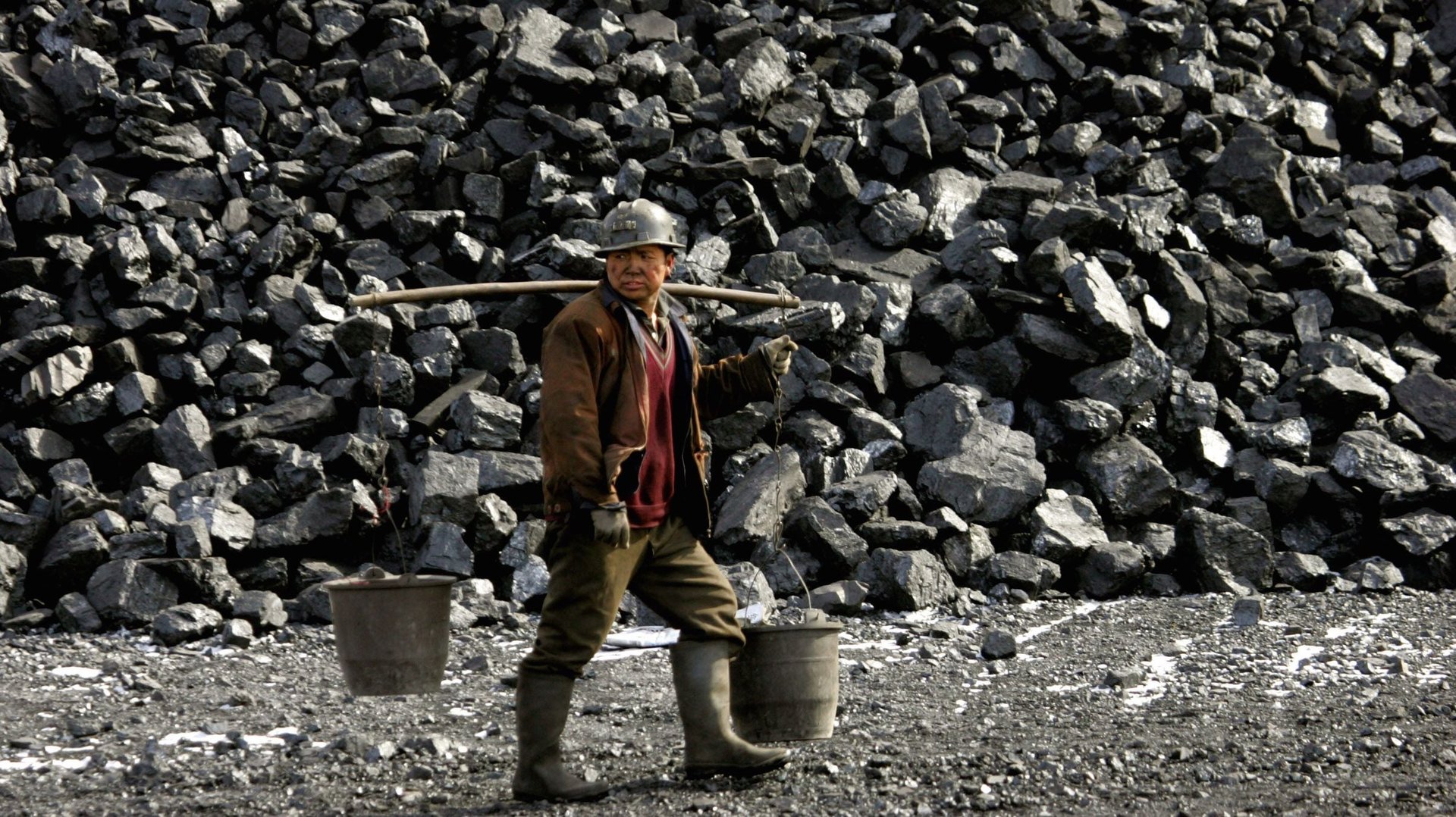
China is cutting down on its coal habit. In the first four months of 2015, the country consumed almost 8% less coal than in the same period a year earlier, according to a report by Greenpeace/Energydesk China.
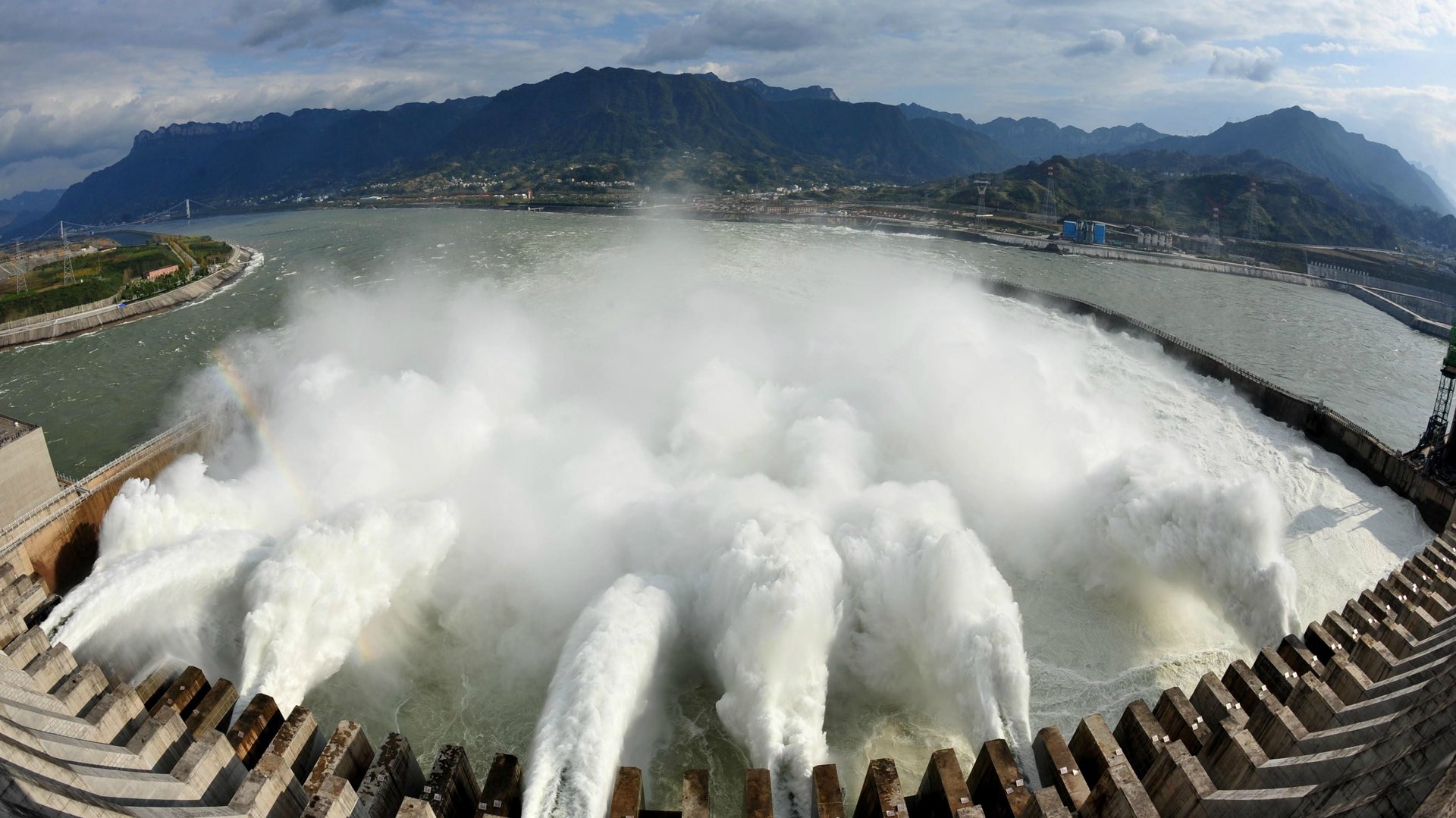
The earthquake that rattled Nepal on April 25, killing thousands, also cracked a huge hydroelectric dam and damaged many others. Things could have been much worse, though. The collapse of one of these could have let loose a deluge of water and debris downstream, as Isabel Hilton highlighted in the New Yorker—a disquieting prospect given that more than 400 dams are being built or are slated for construction in the Himalayan valley.
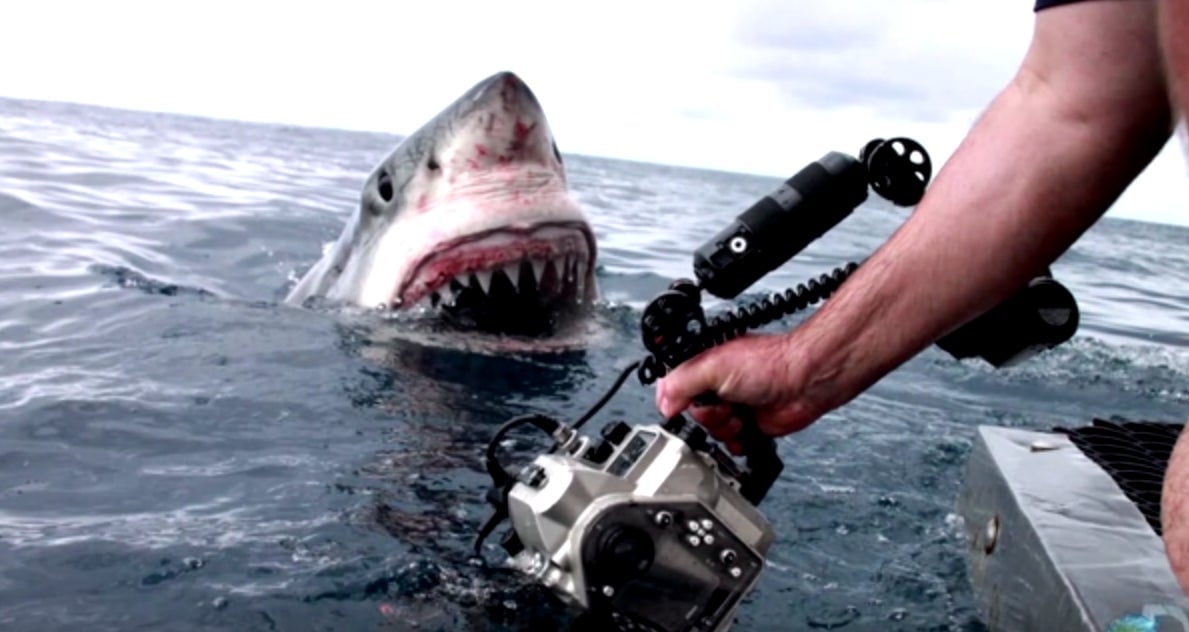
There’s really only one sure way to figure out if something tastes good: Nibble on it a bit. That’s exactly what the 14.8-foot (4.5-meter) female great white did to a camera while a crew filmed shark footage off the coast of southern Australia.
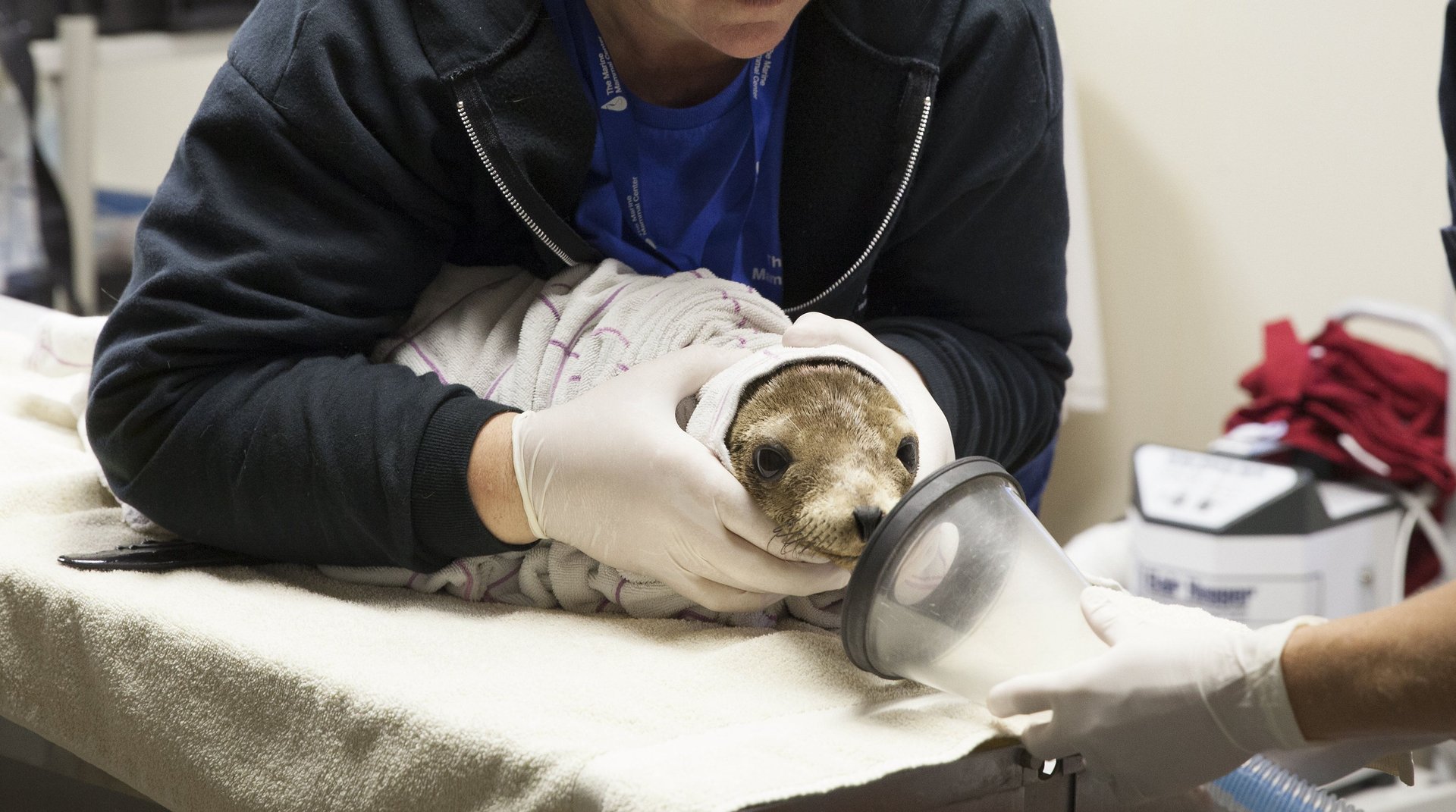
For months now, emaciated sea lion pups have been mobbing the California coast, looking like furry sacks of bones littering the beach. As of late April, 2,700 of these freakishly skinny pups had been “stranded” ashore—nine times more than the average between 2004 and 2014, according to the California Marine Mammal Stranding Network.

It’s out with the old at Alibaba—quite literally, in fact. In its earnings announcement the Chinese e-commerce giant revealed that it’s swapping out current CEO Jonathan Lu, replacing him with the slightly-younger Daniel Zhang, Alibaba’s COO.