


We’re in the midst of another sharp sell-off for everyone’s favorite crypto-currency, with the price of bitcoin falling by more than 9%—to less than $400 at moments—this morning, according to the bitcoin data site BlockChain.

A nice rebound in asset prices has helped American households—at least in the aggregate—recover all of the wealth they lost during the Great Recession, according to the high-level quarterly statistics published by the Federal Reserve. The net worth of US households and nonprofit organizations rose to $81.49 trillion during the second quarter of 2014; that’s 18.3% higher than the pre-crisis peak $68.9 trillion in the second quarter of 2007.
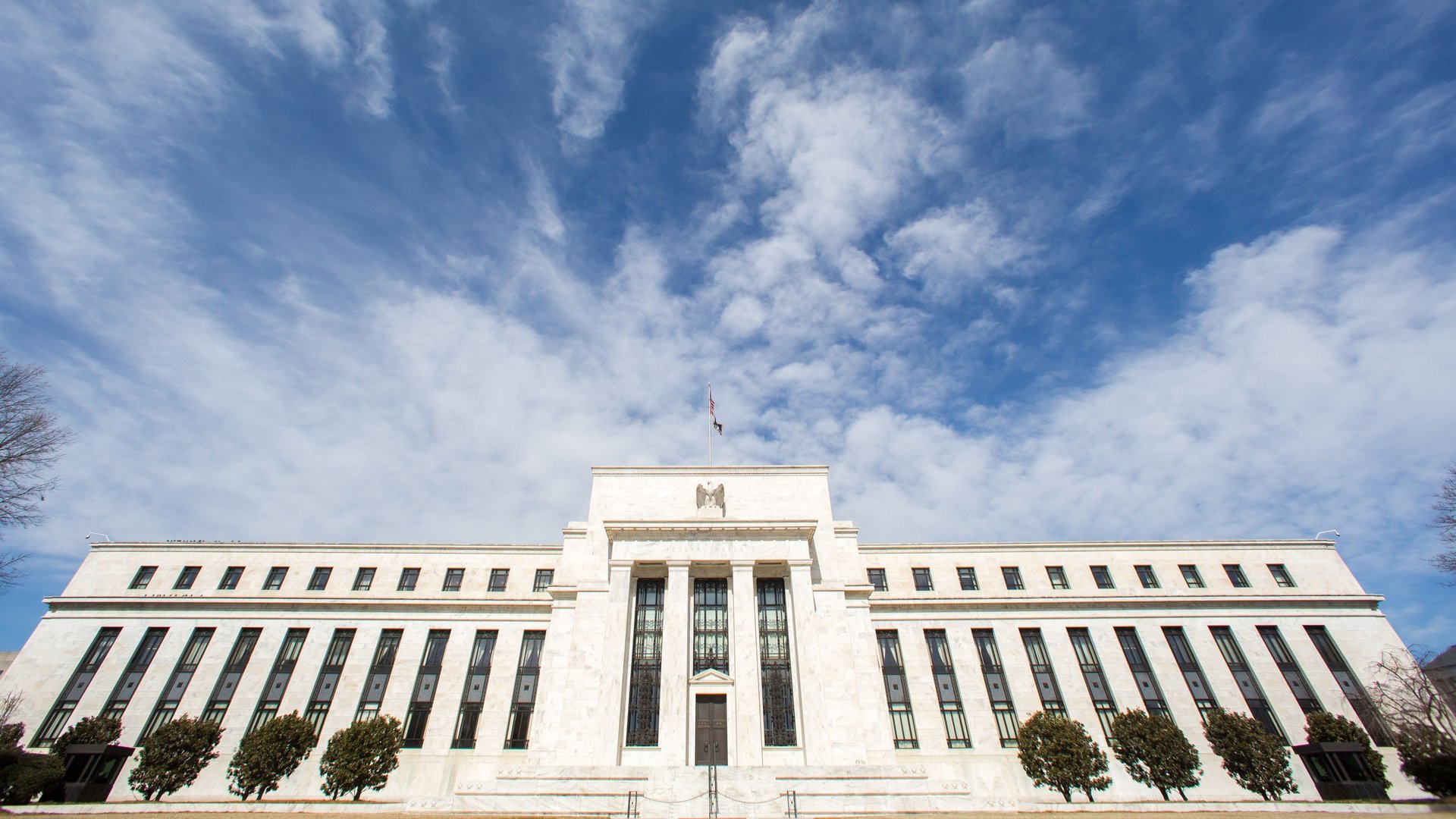
It’s nearly official. The Federal Reserve confirmed yesterday that if all goes according to plan, it will finally stop its policy of creating new money from thin air and using it to buy financial assets.

America’s homebuilders see good things on the horizon.

As banks, technology giants and would-be disruptors such as Square scrummage over the payment system of the future, German consumers seem perfectly happy with the payment system of the past. Germany remains one of the most cash-intensive advanced economies on earth.

It was another month of strong property prices in London in July. Home prices were up more than 19% for the month, compared to July 2013, according to the Offices for National Statistics. London prices have outpaced price run ups elsewhere in the UK, where home prices were up 11.7% over the same period.

Mark it down as another bleak milestone for the American middle class.

After a years-long boom, domestic investment is sucking wind in China. For our money, this statistic is a perfect snapshot of the situation. Cement production growth rates in the People’s Republic have slipped sharply in recent months. In August, cement production was up a scant 3% compared with the prior year. (You’ll notice that the data is pocked by lacunae, due to the lunar holidays early in the year.)

The markets have been worried about a lot of things lately. Russia’s horseplay in eastern Ukraine. Continuing horrors out of the Middle East. A China that seems to be stuck in neutral. And run-of-the-mill European economic sluggishness.

The US domestic oil and gas production boom has been fueling oil patch economies, such as North Dakota, for years.

Update, Feb. 5, 2015: RadioShack has filed for Chapter 11 bankruptcy protection and reportedly reached an agreement to sell as many as 2,400 of its 4,000 locations to the hedge fund Standard General. According to the Wall Street Journal, as many as 1,750 of those stores will be operated in partnership with Sprint.
If you hope to build both a high-impact career and a healthy family life, a bit of strategizing never hurts. Sharon Meers, a former Goldman Sachs managing director, and current head of eBay’s Magento enterprise strategy unit, offered up this succinct framework for building such a career, in response to a question following a speech at the London School of Economics earlier this year.
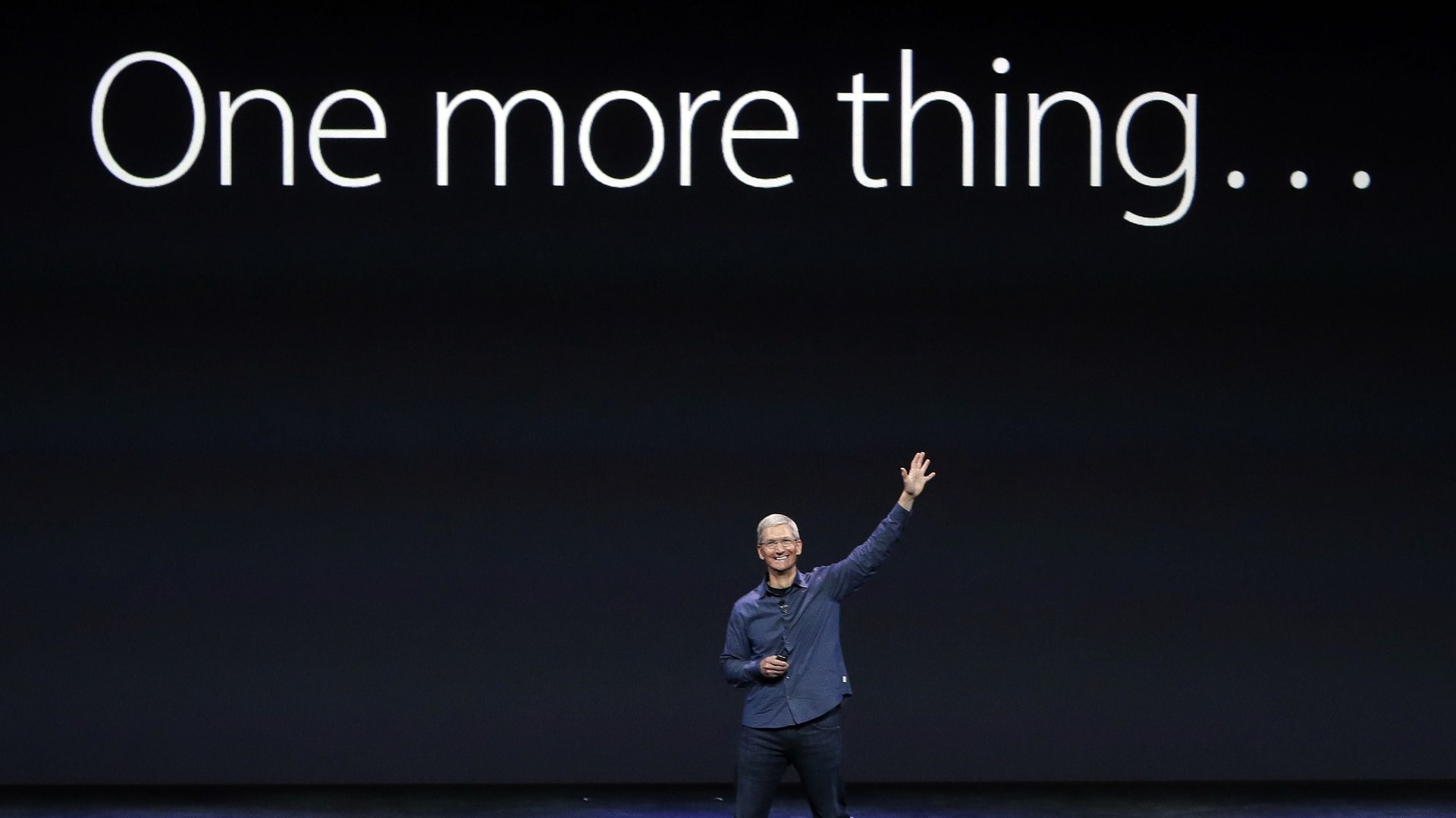
It seems to have been a sell-the-news event.

It’s funny. For years folks have been screaming that the Federal Reserve’s effort to support the American economy in the wake of the Great Recession would be the death of the US dollar, ending in hyperinflation and prompting global investors to dump US government debt. They been wrong. Inflation remains quite low. Investors are still paying incredibly high prices for US government bonds. And, in fact, the US greenback remains a bastion of strength.

Global trade is roaring back, at least among the world’s largest exporters. China, the US and Germany—the largest exporters on earth, according to the WTO—are all seeing seeing signs of an export renaissance.

Home prices in Spain seem to have finally scraped bottom.
Warren Buffett walks into a skid row bar. Inside, nine men silently slump on their stools.

Until this week, the European Central Bank’s Mario Draghi had managed to snuff out the European debt crisis mainly with his now-famous vow to do “whatever it takes” to preserve the currency union. Sure, he cut rates and announced programs aimed at boosting bank lending, but he’s been pulling far fewer monetary policy levers than his US counterparts, for example.

So the US jobs report wasn’t great. Only 142,000 new jobs were created in August, and the unemployment rate fell to 6.1%. Here are all the key details you need to know.

Roughly 25% of those with bachelor’s degrees in the US derive no economic benefit from their diplomas.
All indications are that this Friday’s US jobs report for August is going to be a very, very big one.

India already posted surprisingly good second-quarter GDP growth of 5.7%.