Taiwan just reported the first confirmed case of the bird flu H7N9 to have spread outside of mainland China. The patient is a 53-year-old man who had recently returned from Shanghai and Suzhou, along China’s eastern coast.

Taiwan just reported the first confirmed case of the bird flu H7N9 to have spread outside of mainland China. The patient is a 53-year-old man who had recently returned from Shanghai and Suzhou, along China’s eastern coast.

Earnings announcements earlier today from Barclays and Credit Suisse, two banks bent on changing their public image, offered some hints to how those processes are going.

With around a quarter of its population older than 60, Japan has rightly earned its rep for having the worst demographic crises in the world. But just to its north, there’s one that threatens to be just as nasty. Or even nastier—in fact, by 2045, the average age of the South Korean population will be 50, the highest in the world.

To many, the recipe for Abenomics, the economic policies championed by Japanese leader Shinzo Abe, seems to be three parts parts ballyhoo and four parts hooey. And not without reason. If breaking free of deflation is doable, how come Japan still hasn’t done it? And how come former Bank of Japan (BoJ) governor Masaaki Shirakawa failed?

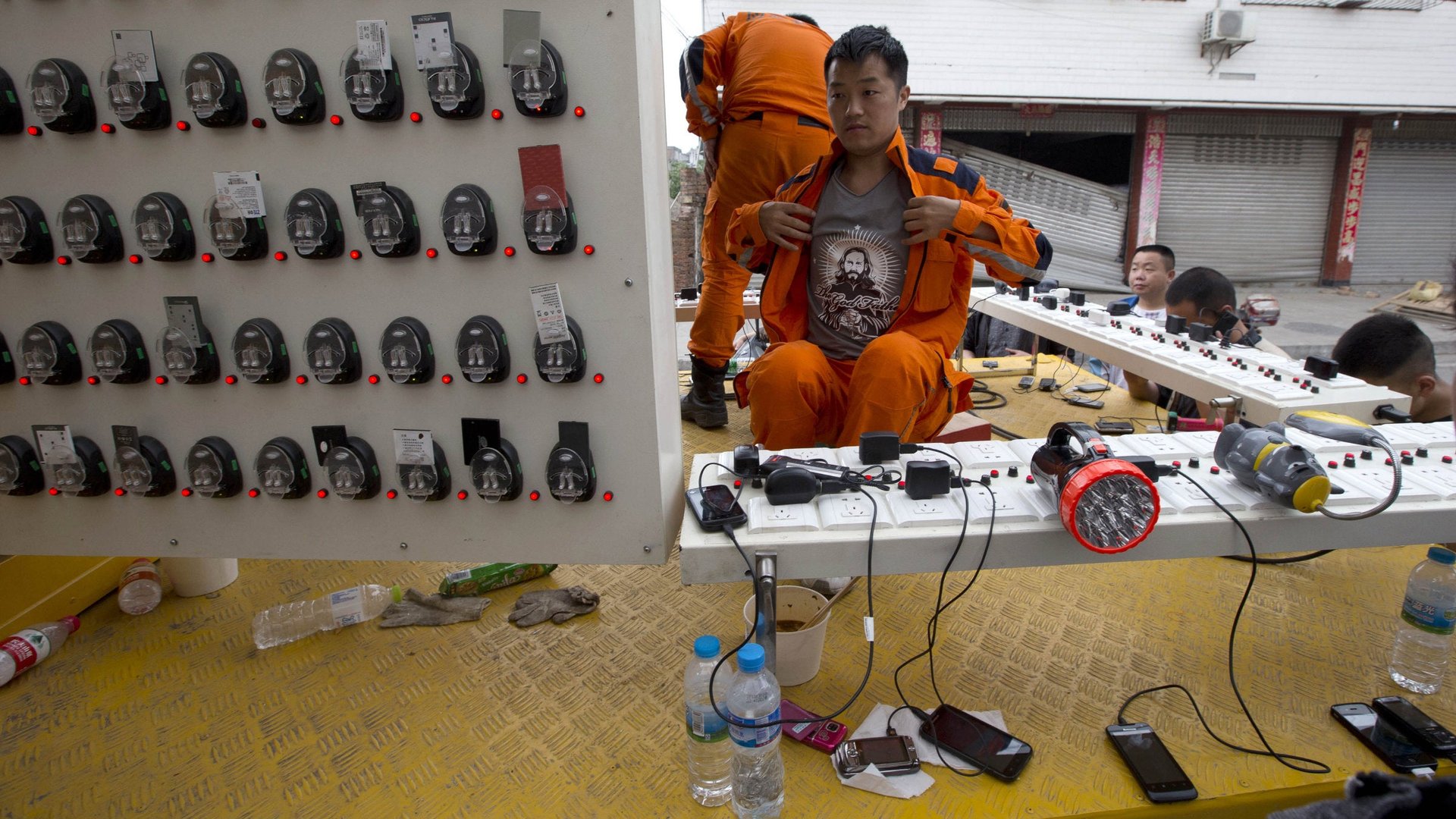
Both in last week’s Boston bombings and last weekend’s earthquake in China’s Sichuan province, mobile-phone networks were quickly overwhelmed as people rushed to call family and friends. In both cases, users took to services that use bandwidth more efficiently, like text messaging, microblogging and instant-messaging apps.

For the last long while, the euro zone’s fortunes have cleaved neatly between the “core” and rapidly deteriorating ”periphery,” which essentially meant on-the-road-to-recovery Germany versus rapidly deteriorating Spain, Italy, France and other southern European countries.

Ferocious competition in China’s online retail market has gnawed profit margins down to almost nothing, so opening up sales channels overseas is key. The problem: what does China make that global consumers actually want?

Yesterday, both Lightinthebox Holdings Ltd., an online retailer, and Sino Australia Oil and Gas Ltd., an oil and gas services company, filed to list on overseas exchanges.

China’s $250 billion knock-off trade doesn’t just mean fewer handbag sales for LVMH, or a hit to the DVD sales market. It can also have potentially lethal consequences.

The numbers: SAB Miller reported a 4% year-on-year rise in sales for the quarter ending in March, beating analyst expectations of about 2.5%. But that’s way down from the 10% growth the brewer saw during the same quarter last year. Meanwhile, revenue for the full year grew 7%. Unaudited full-year group revenue came in at $31 billion, compared with $28 billion for the same period the previous year. (The company reports full-year earnings on May 23.)

Making someone fall off a treadmill is fine. But kicking a traffic cone? That might “disturb basic public order.” Or at least that’s why South Korea’s national, publicly funded TV network, Korean Broadcasting System, is banning “Gentleman,” the latest music video by pop sensation Psy from its airwaves.

The numbers: Switzerland’s Nestlé reported first-quarter revenue of 21.9 billion Swiss francs ($23.5 billion), up from 21.4 billion Swiss francs a year ago—the slowest growth in four years. Its organic sales growth was just 4.3% (that’s 2.3% real growth and 2.0% due to pricing hikes), compared with the 4.7% analysts projected. The company left its full-year outlook of 5%-6% growth unchanged.

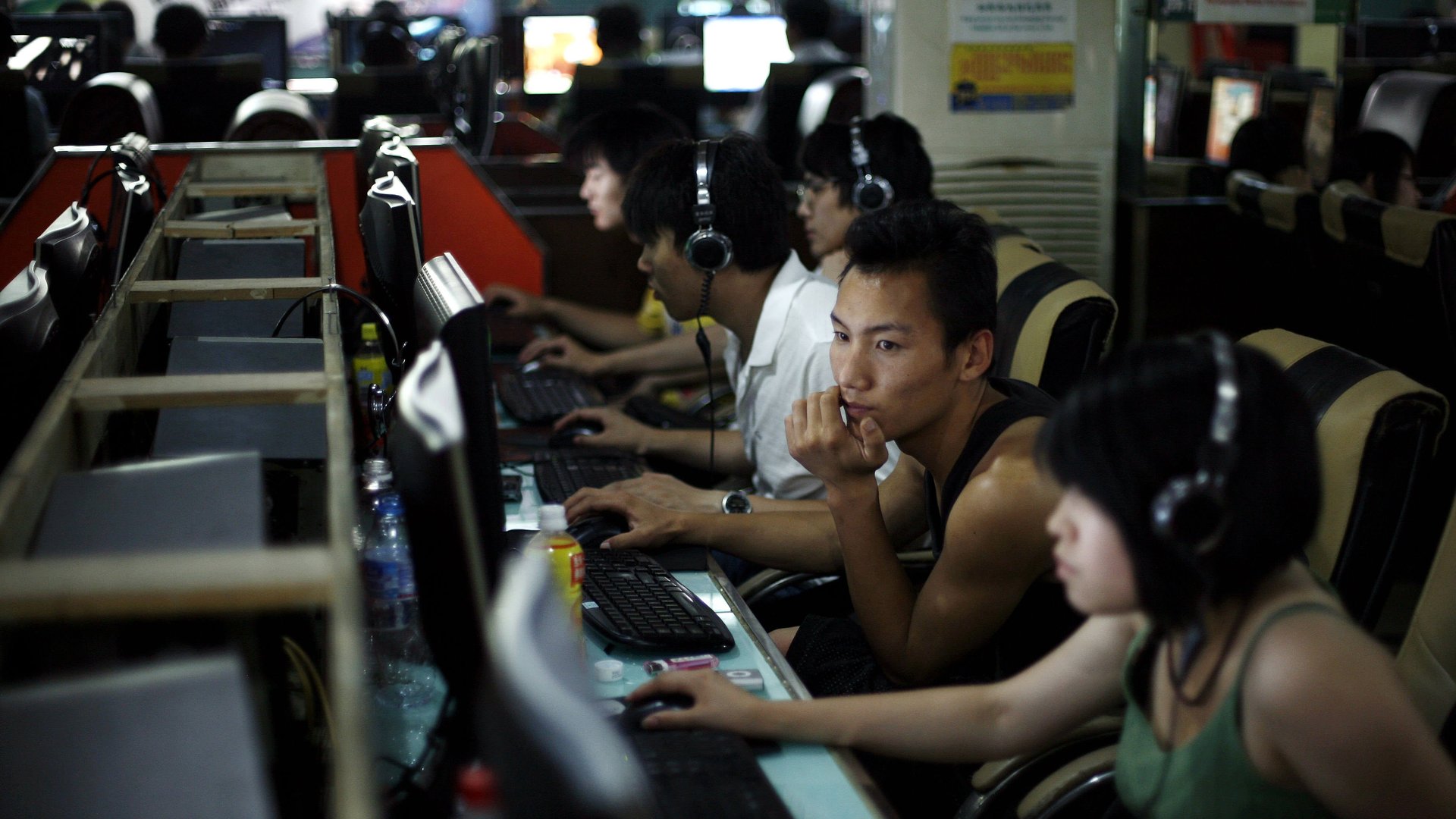
The headline number from the Chinese government report on e-commerce is the sales: 1.26 trillion yuan ($190 billion). However, the annual report (pdf, in Chinese), which is researched and published by the absurdly named Chinese Internet Network Information Center—and claims the not-quite-right acronym of CNNIC—is rich in detail about how e-commerce habits are developing in China—and who’s benefiting from them. Here are some underlying trends worth noting:

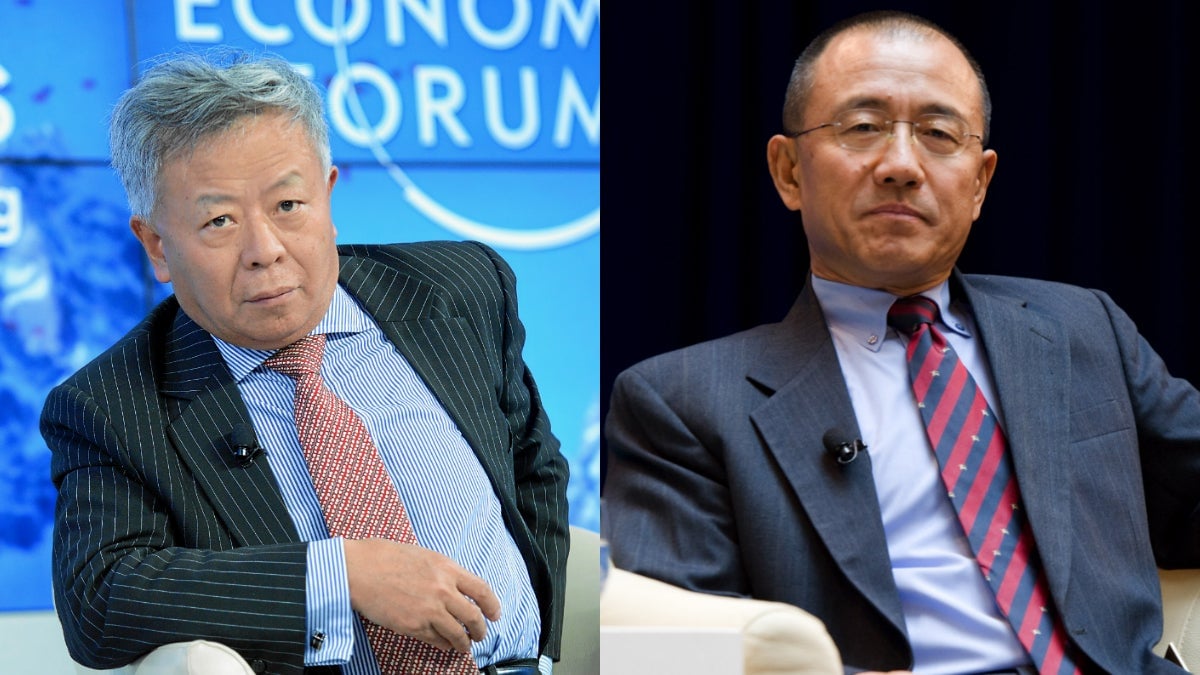
Gao Xiqing, president of China Investment Corp., the country’s $500-billion sovereign wealth fund, recently denounced Japan thusly (paywall): “Treating the neighbors as your garbage bin and starting a currency war would not only be dangerous for others but eventually be bad for yourself.”

To much media fanfare, Mark Zuckerberg recently helped launch lobbying group Fwd.us, which urges us to “join the tech community in passing immigration reform.” And who wouldn’t want a dozen more Sergey Brins kicking around the US economy?

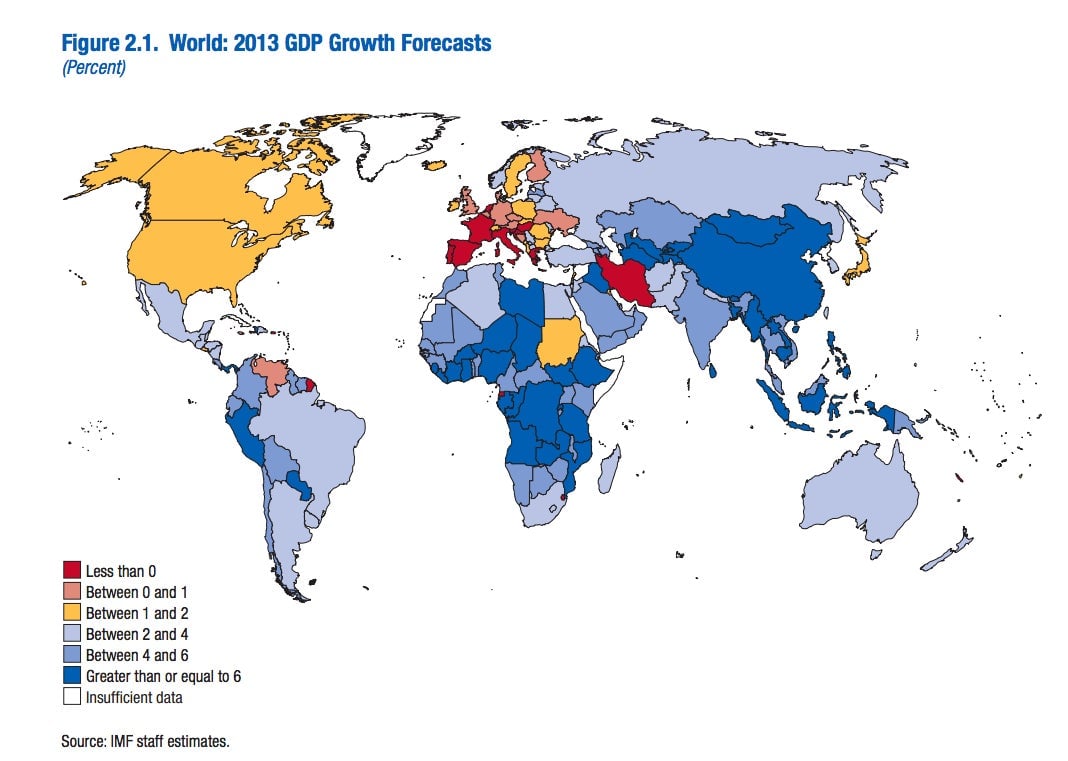
In a report titled “Hopes, Realities, Risks” (pdf), the IMF revised its estimates for global economic output today, saying it now expects 3.3% GDP growth, down from the 3.5% it projected back in January. That would put global GDP at around $74.3 trillion for 2013.

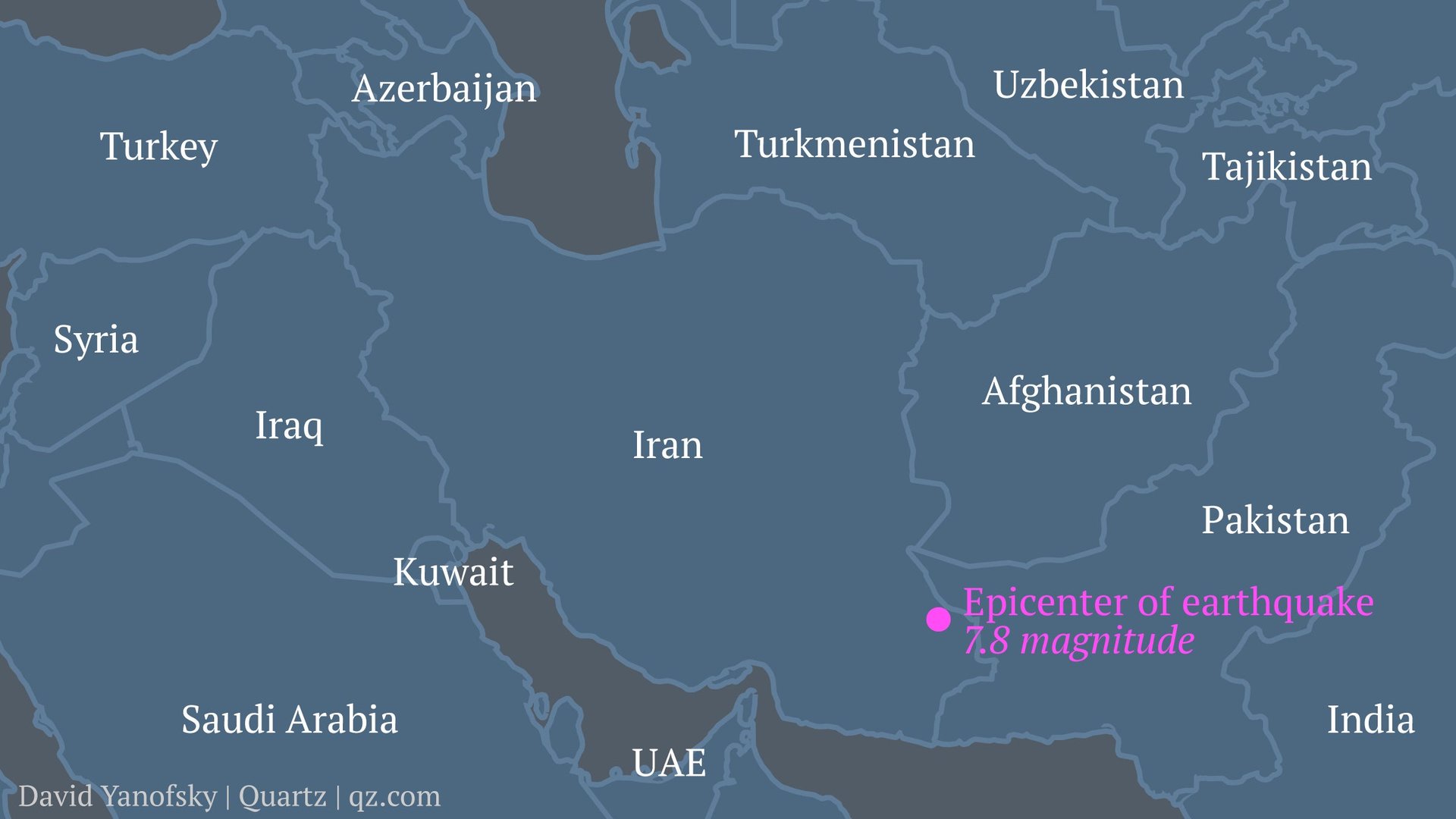
A 7.8-magnitude earthquake that hit the Iranian provinces of Sistan and Baluchestan has reportedly killed 40 people (though early death toll estimates are often unreliable.) The epicenter of the quake, which followed a series of smaller earthquakes earlier in the day, was around 50 miles from Khash, though the quake was strong enough that it could be felt in New Delhi, India, more than 2,000 km away. Other nearby cities include the provincial capital, Zahedan, as well as Rudbar in Afghanistan, Turbat in Pakistan, and the capital of Oman, Muscat.

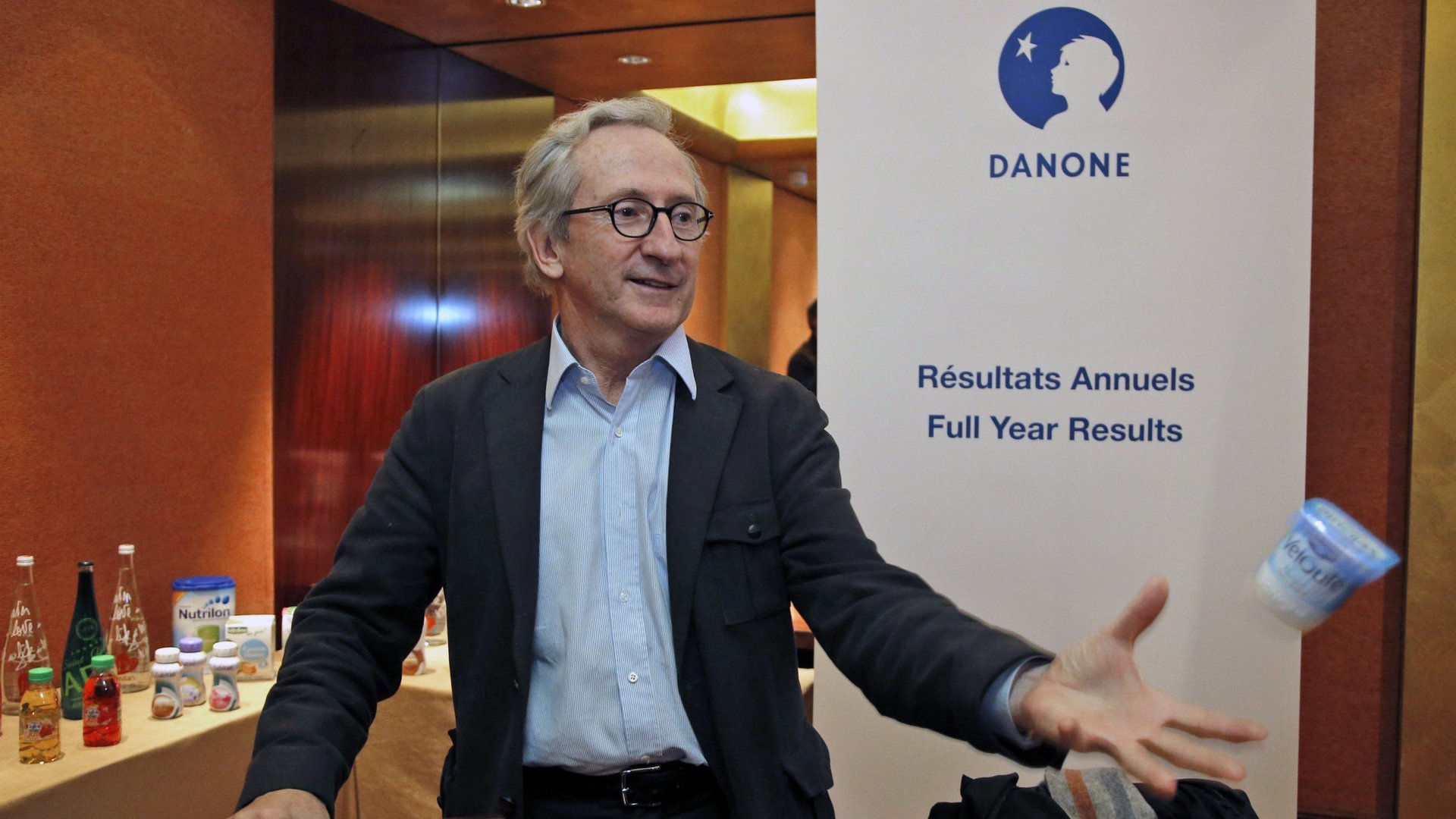
The numbers: France’s Danone reported revenue of €5.34 billion ($7 billion), up 4.3% and beating analyst expectations of €5.28 billion. Sales excluding factors such as currency fluctuations also exceeded analyst expectations, jumping 5.6%, compared with the projected 4%.

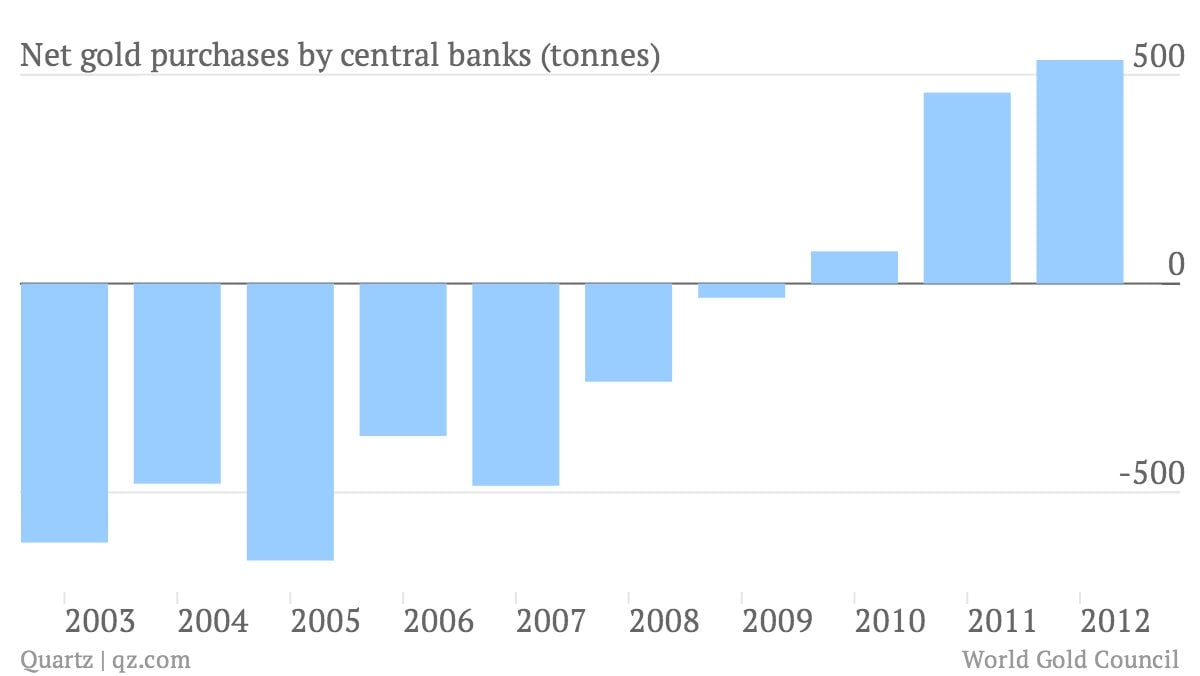
Even as gold prices have hovered at historical highs, central banks have been snapping up gold over the last few years. Global central banks purchased a net of 534.6 tonnes (589.3 tons) of gold in 2012, up from 456.8 the previous year (see above chart), according to the World Gold Council. That’s the most in nearly 50 years, bringing central bank demand for gold to 12% of the global total, compared with 10% in 2011.

Sweden’s finance minister announced that the country is slashing its 2014 growth projection, projecting GDP growth of 2.2%, down from 3% previously estimated. Growth for 2013 should come in at 1.2%, said Anders Borg, the finance minister.

By a paper-thin margin, Venezuelan voters chose former president Hugo Chavez’s anointed successor, Nicolas Maduro, as their new president on Sunday. Maduro declared himself victor over opposition candidate Henrique Capriles Radonski, a centrist, saying that Chavez’s socialism “continues to be invincible, that he continues to win battles” and stating, “Mission accomplished, Commander Chavez.”

Whatever the case against bitcoin as an alternative currency, there’s one country where people probably won’t need much persuading to join the craze. Here’s why China could drive a further bit-boom:

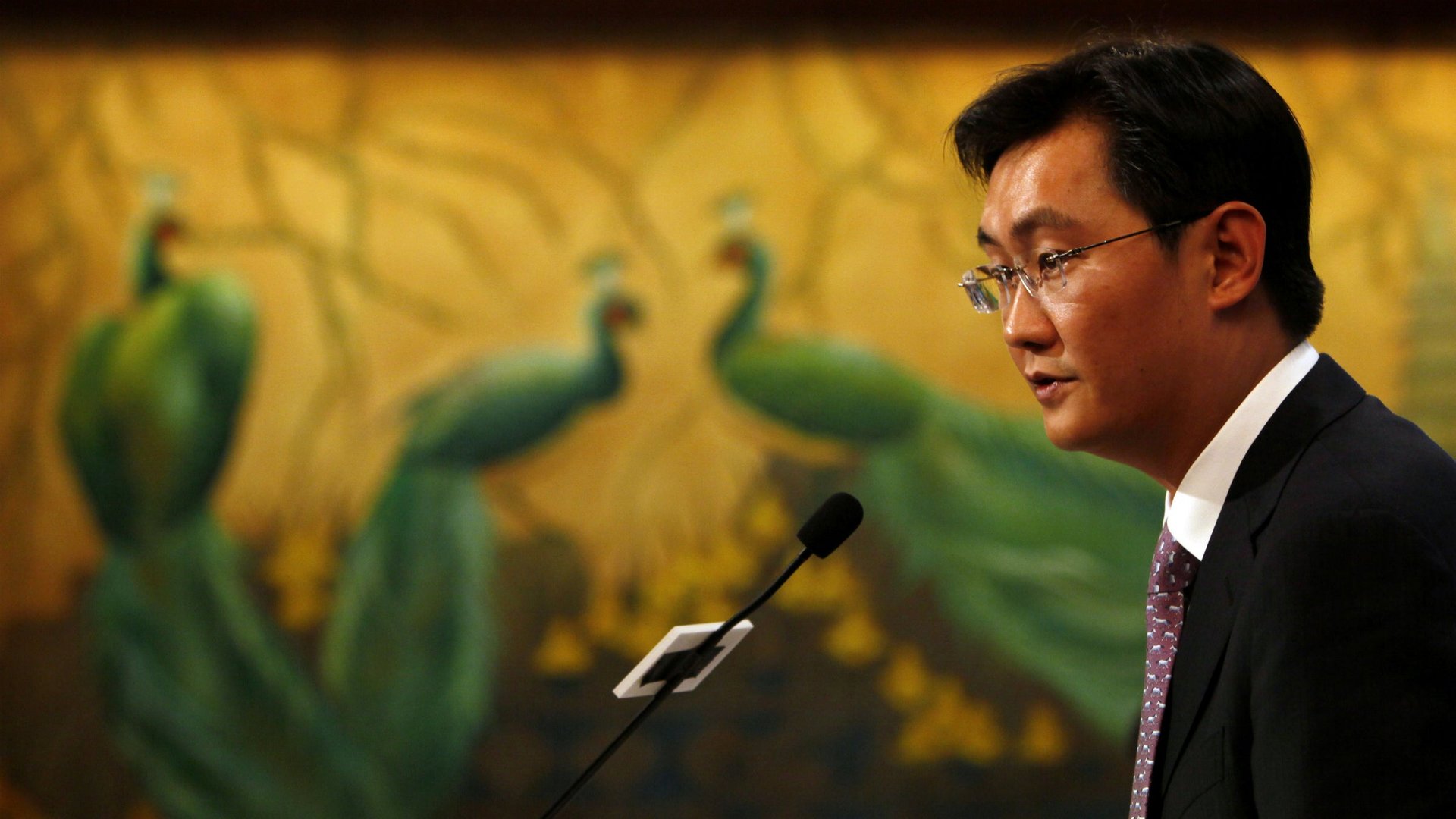
The holdings of Chinese conglomerate Tencent have a barnyard feel to them: the CEO is known as Pony, online games are the cash cow, and WeChat, the company’s blockbuster mobile instant-messaging app, is its golden goose. Or at least, a golden goose is what investors expect. But despite all of WeChat’s blockbusting, Tencent hasn’t yet figured out how to earn money off the app.

Intel is teaming up with leading Chinese search engine Baidu to develop software for China’s mobile internet market, partnering on a joint-innovation lab. Chinese companies manufacture the most PCs and smartphones in the world, making the venture a no-brainer for the US semiconductor maker. Meanwhile, Baidu’s product development has been struggling to keep up with the pace of Chinese take-up of smartphones and tablets. This may also boost the prospects of its global expansion.