
Business News
Behold the mighty euro, the currency that can’t help but go upIt is an “island of stability.” It is stronger than its main rivals. All hail the euro, king of currencies.
Updated July 21, 20222 min read
It is an “island of stability.” It is stronger than its main rivals. All hail the euro, king of currencies.

Digging a tunnel beneath the English Channel was never going to be easy. And so it proved, with the massive engineering project running behind schedule and over budget by the time it opened in 1994.
Predicting what central bankers will do is a mug’s game. More often than not, expectations are dashed. And today was no different.

In his latest letter to shareholders, Henry Engelhardt does not resort to the usual corporate jargon. This is how the CEO of Admiral Group, a London-listed auto insurance firm, described his company’s annual results:
Vladimir Putin put the Russian invasion of Ukraine on “pause” at a press conference on Tuesday, and markets stepped back from the ledge. The rout in Russian assets was partly reversed; the ruble regained some ground, as did stocks and bonds. As long as there isn’t any shooting—aside from the odd warning shot—the mood seems to be one of cautious relief.
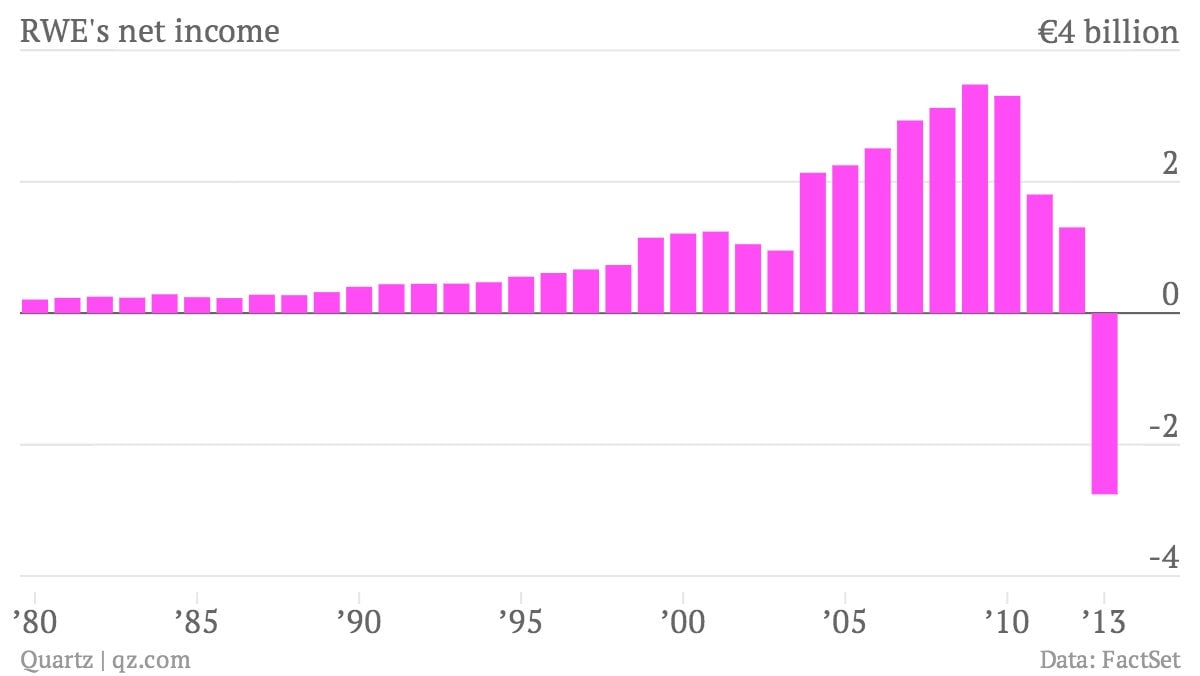
The numbers: RWE, Germany’s largest power generator, reported a €2.8 billion ($3.9 billion) net loss in 2013, the company’s first loss in its history, which stretches back more than 60 years to the founding of the Federal Republic of Germany in 1949.
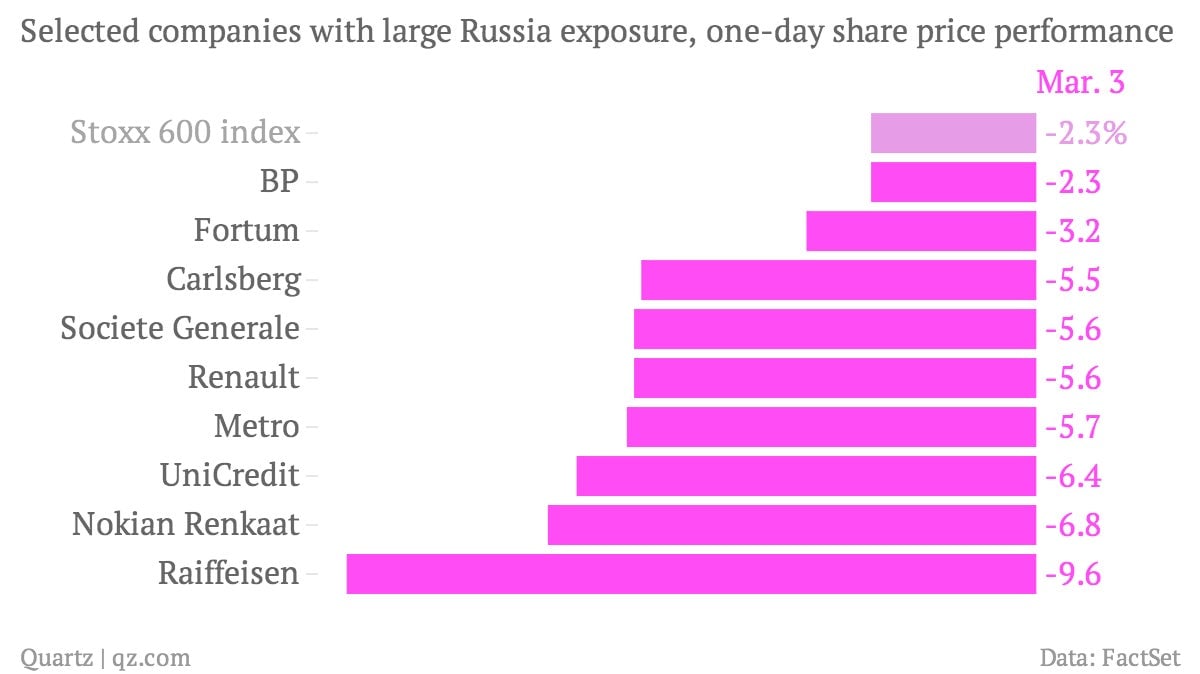
What do Russian troops in Crimea have to do with a Danish beer company, a Finnish tire maker, and an Austrian bank? In the interconnected world of finance, what happens on the shores of the Black Sea quickly reverberates on bourses across Europe. Amid the rout in Russian markets, companies across the continent that do business with Russia also saw their shares dumped by jittery investors.
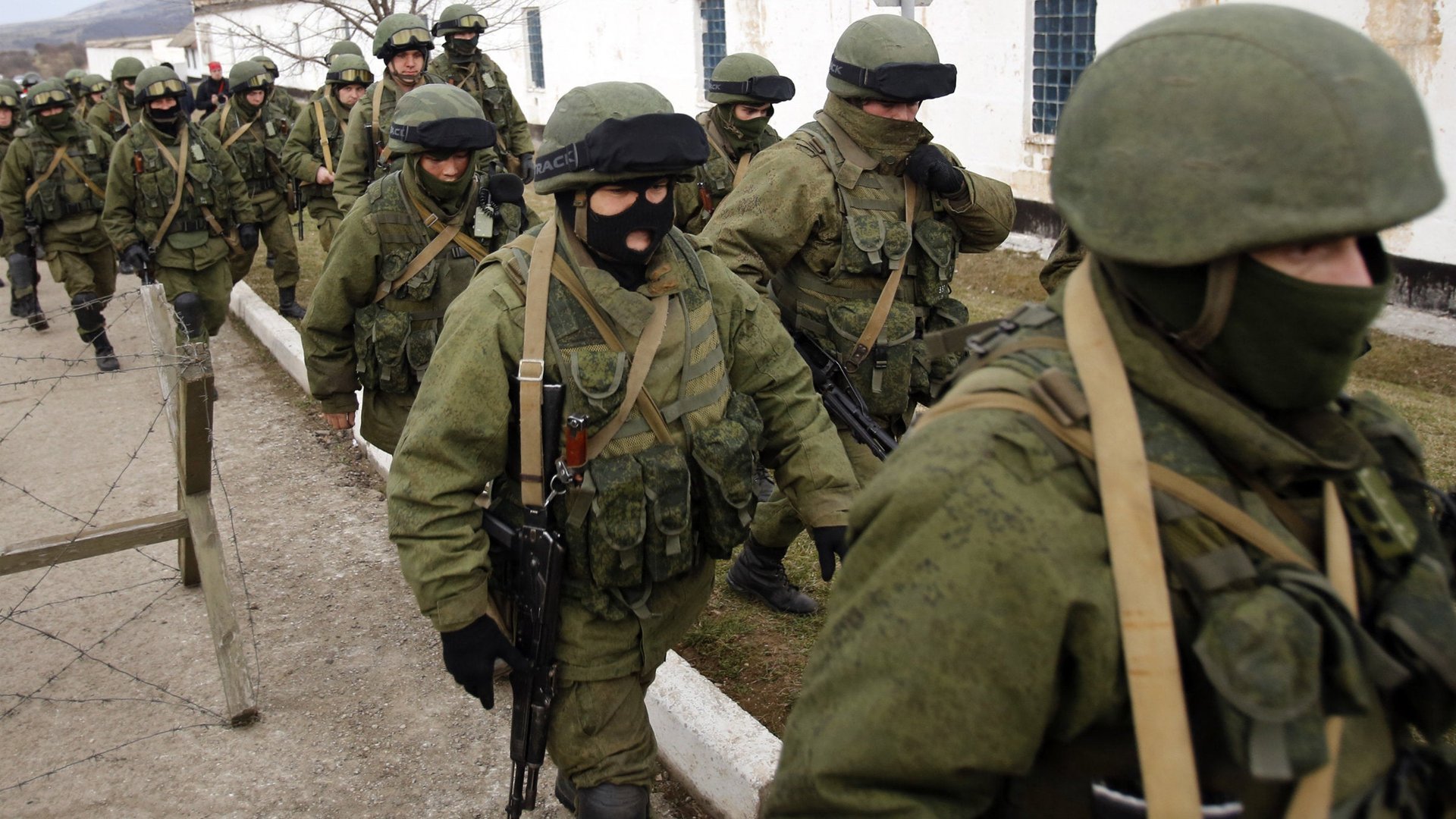
Strongly worded statements, threats of travel restrictions, and summit no-shows. So far, these are the relatively mild diplomatic implications for Russia of its incursion into Ukraine, as few in the West can stomach an open military confrontation with Moscow over its apparent occupation of Crimea.

“There are only two important people in the wine business—the winemaker and the wine drinker. Right now, they’re both getting screwed.”
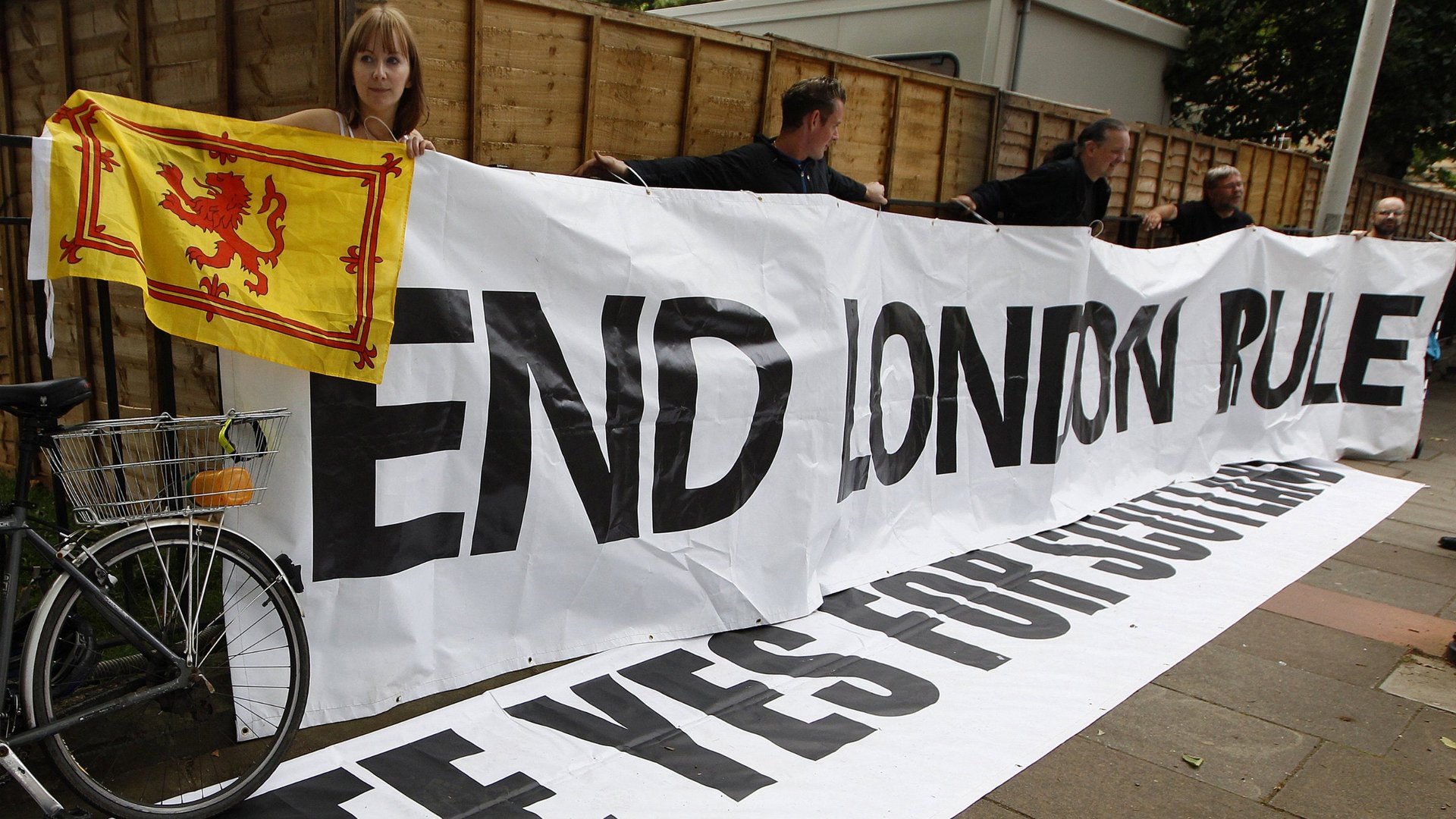
Businesses hate uncertainty, we’re told, and sometimes threaten to relocate their headquarters in response to changes (or possible changes) in the law—taking jobs, tax revenue, and international prestige with them.
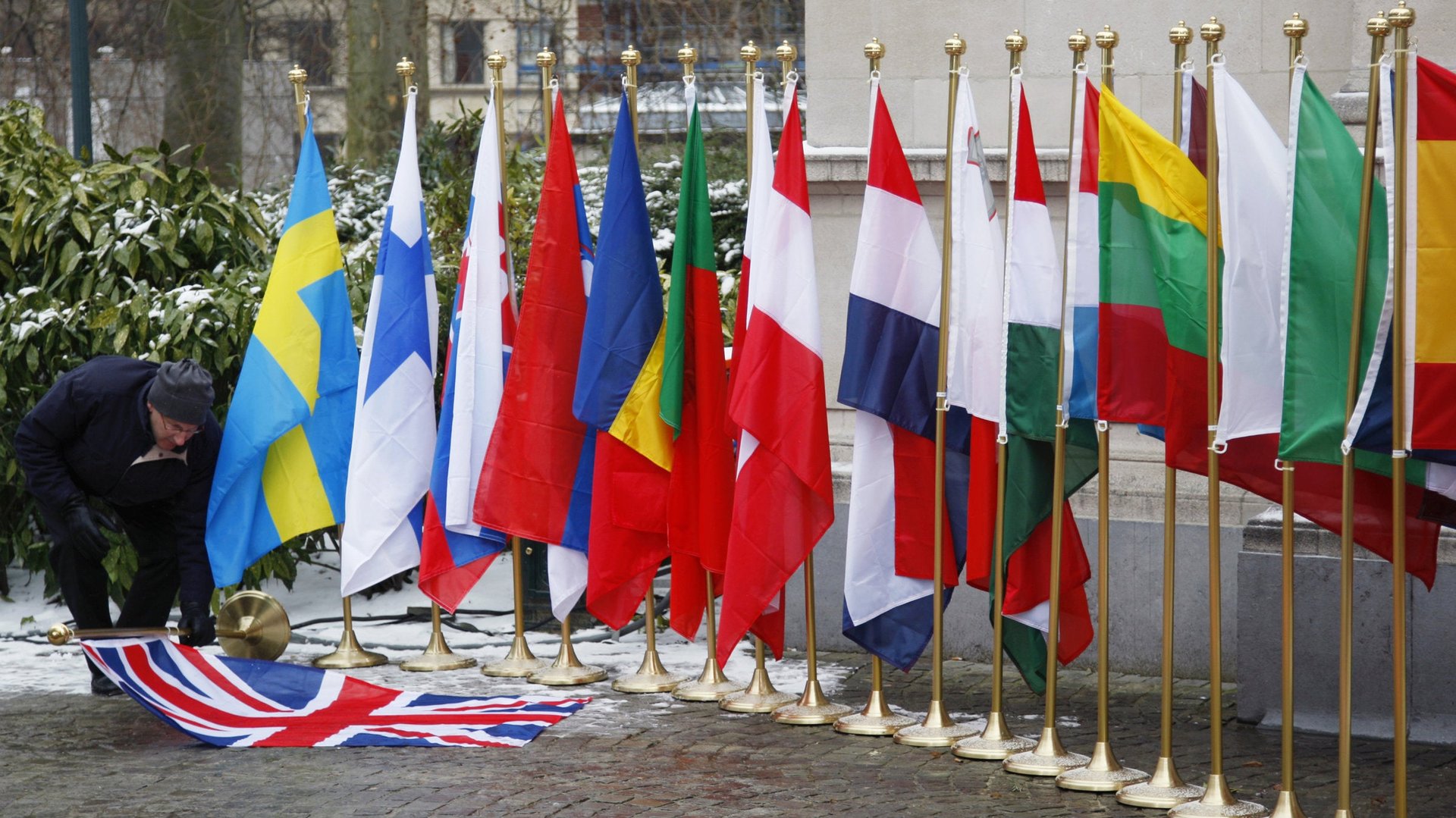
The European Commission’s latest economic forecast, published today, paints a mildly optimistic picture, with growth on the continent steadily improving, unemployment gradually easing, and inflation remaining low but never tipping over into deflation.
In 1992, the average Ukrainian’s income was around 90% of the average Pole’s. Both countries had recently stepped out from under the Soviet Union’s shadow, beginning the messy business of rebuilding and restructuring their post-communist economies. By the time Poland joined the European Union in 2004, Ukraine’s GDP per capita was only 40% of its western neighbor’s. The gap has widened even further since then:
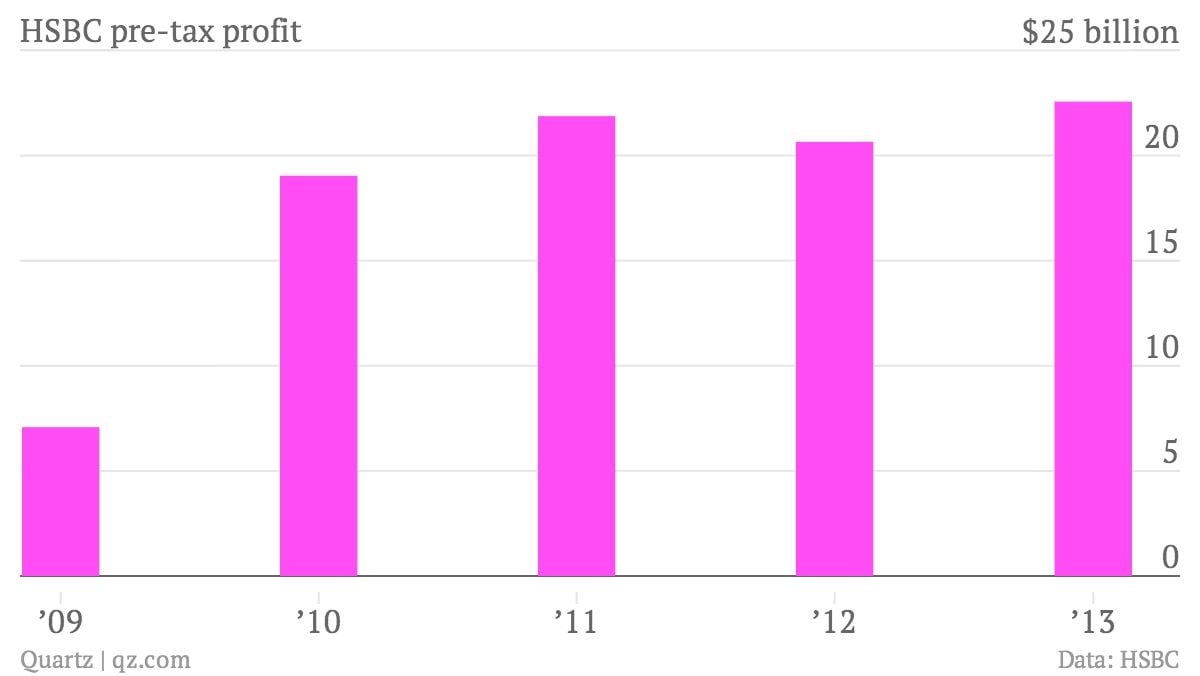
The numbers: What’s $2 billion between friends? Last year, banking giant HSBC generated $22.6 billion in pre-tax profits, up 9% from the previous year, it reported today. But analysts were looking for a result closer to $24.6 billion; the bank’s share price sank by nearly 4% at the London open.
Later this week, the euro zone will release its first estimate of inflation for February. Low and falling inflation is a big worry for policymakers, who hope to avoid the euro zone slipping into a Japanese-style deflationary spiral. The country-level inflation details that have been trickling out in recent weeks are not encouraging.
Its banks are a mess and unemployment is rampant. So why are officials from Spain’s economic ministry all smiles?
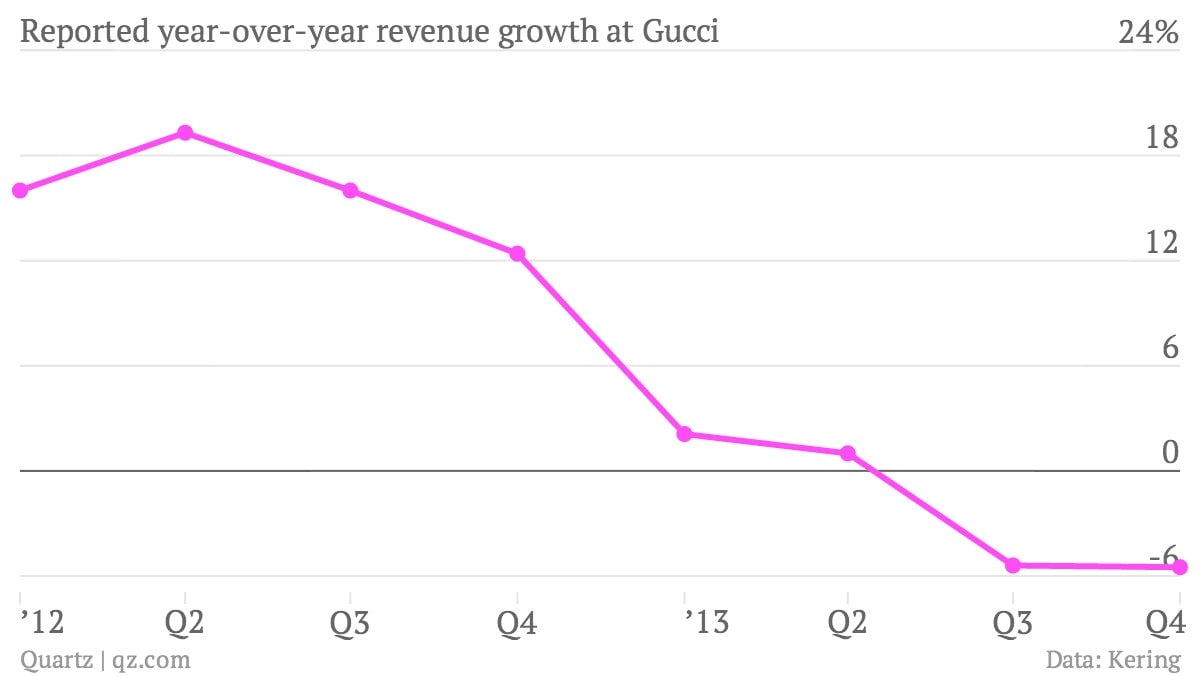
The numbers: Not so shiny. Profits at Kering, the parent company of Gucci, Balenciaga, Stella McCartney and other luxury labels collapsed in 2013, to €50 million ($68 million) from more than €1 billion ($1.3 billion) the year before.
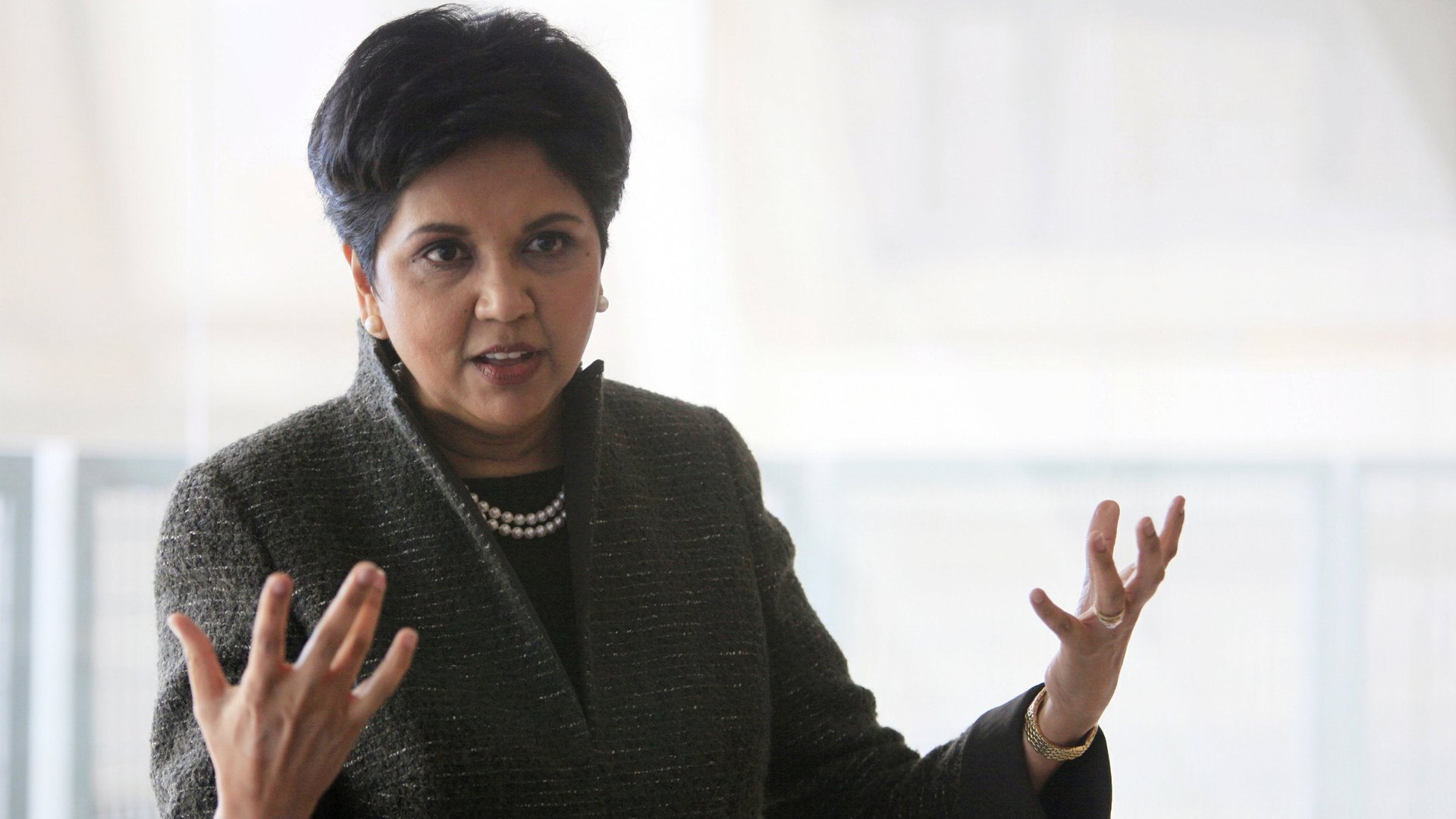
From back-office accountant to front-line executive, the rapid rise of the chief financial officer is unrivalled by any other corporate role. With access to every facet of the business, CFOs now wield a level of influence matched only by chief executives. From the pervasive influence of financial markets to the growth of data-driven decision-making, at each step in the evolution of the modern corporation the chief financial officer’s skill set has proved uniquely in tune with the times.
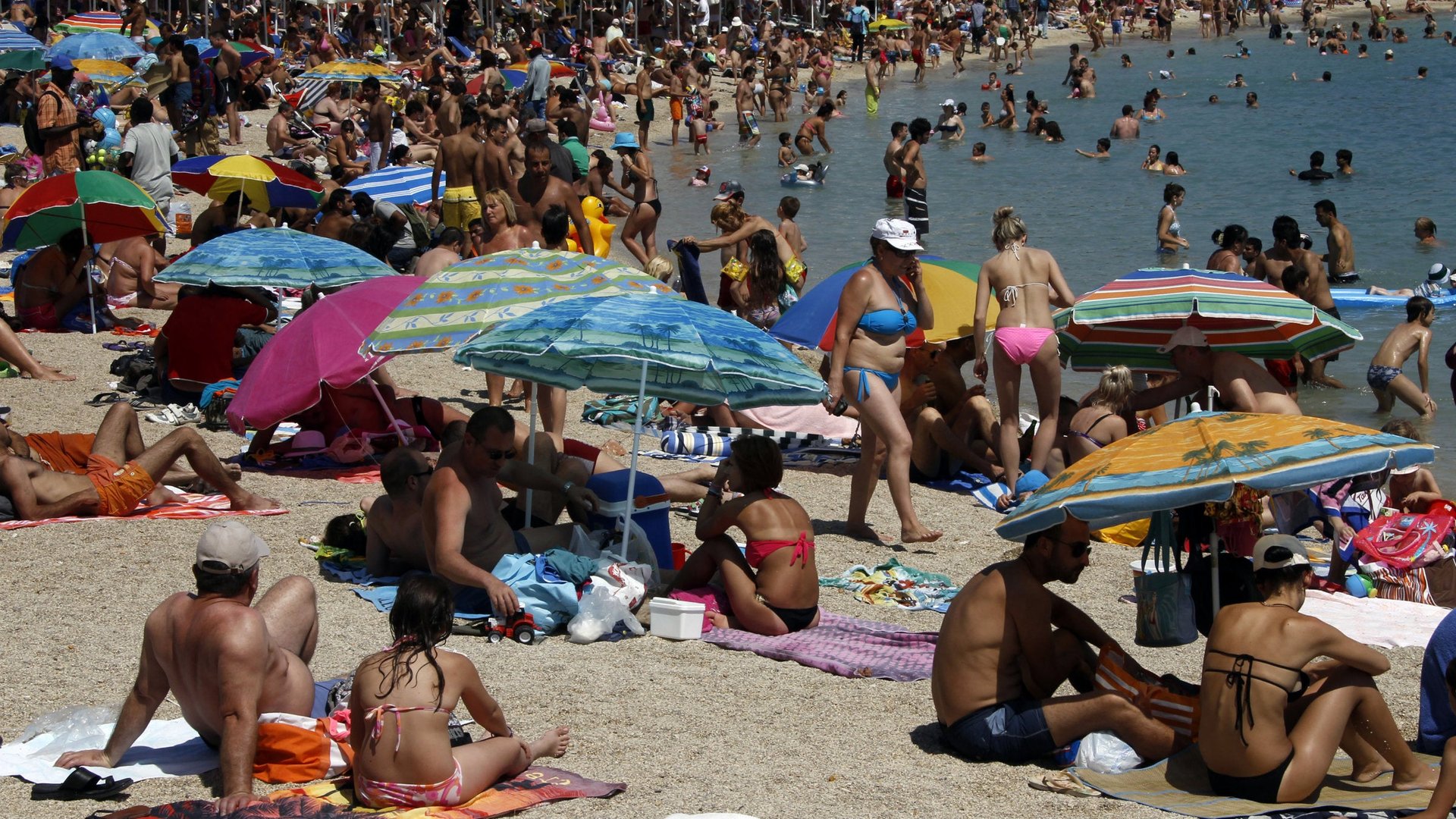
Since the modern Greek state started keeping track, it has never recorded an annual current account surplus. The current account is the broadest measure of what a country buys from abroad and sells to foreigners, covering goods, services, and investment flows.
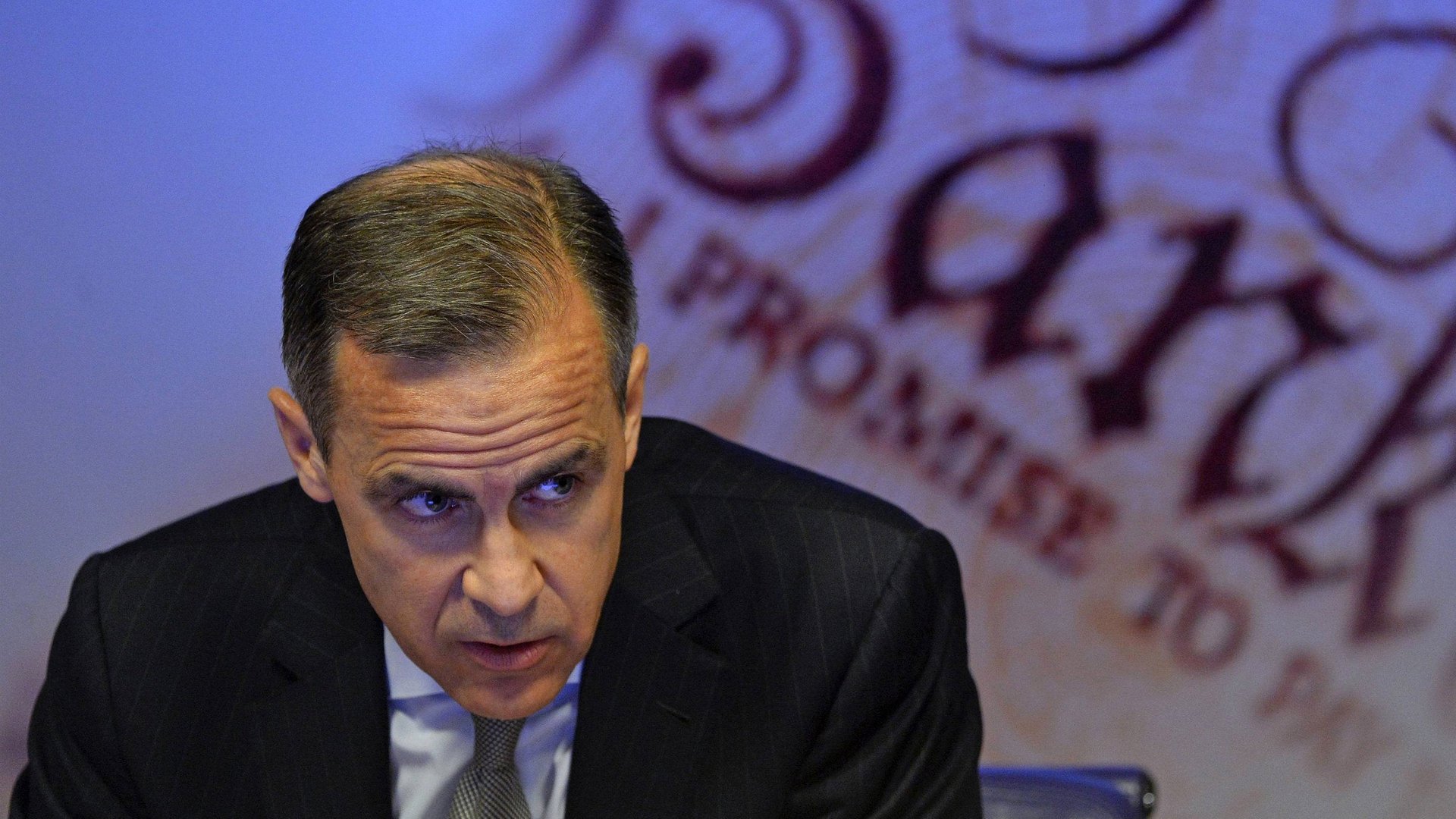
Currency markets move in mysterious ways, particularly from one day to the next. But over the long term, exchange rates generally—but not always—track interest rates, inflation and the health of an economy. What’s for certain is that no single factor, or individual, can exert a meaningful influence over the global foreign-exchange market, where some $5 trillion changes hands each day.
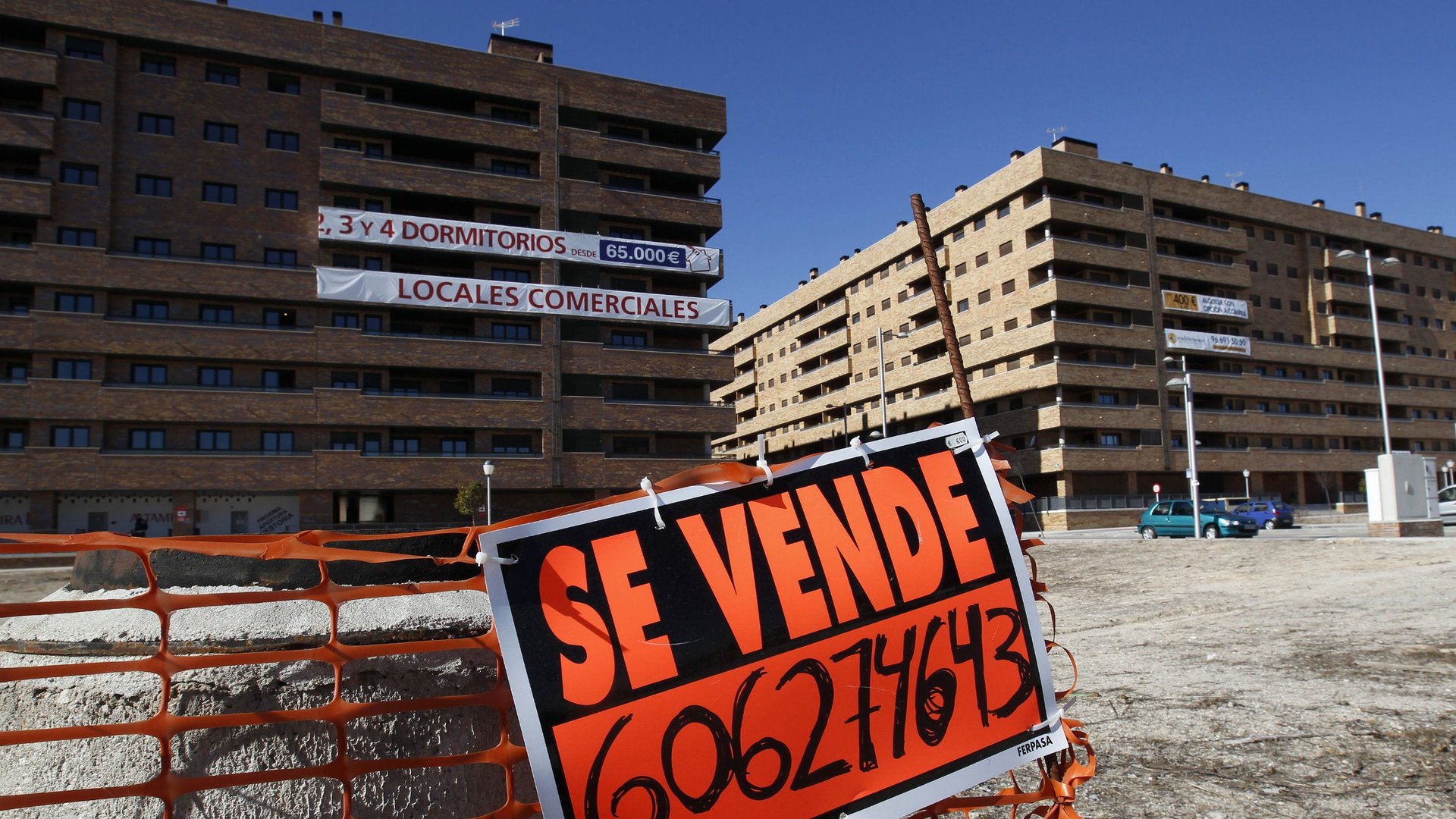
In recent months, the data coming out of Spain have been bad, but not quite as bad as before. The unemployment rate, for example, looks like it’s finally starting to fall. Still, at around 26%, this is hardly a cause for celebration.

We have just passed the 100-day mark until elections will be held for the European parliament. According to the latest polls, the self-hating parliament, as the head of a prominent think tank puts it, is about to do even more self-harm. Across the EU, voters are flocking to euroskeptic parties whose platforms emphasize taking back powers ceded to Brussels, if not dismantling the bloc entirely.
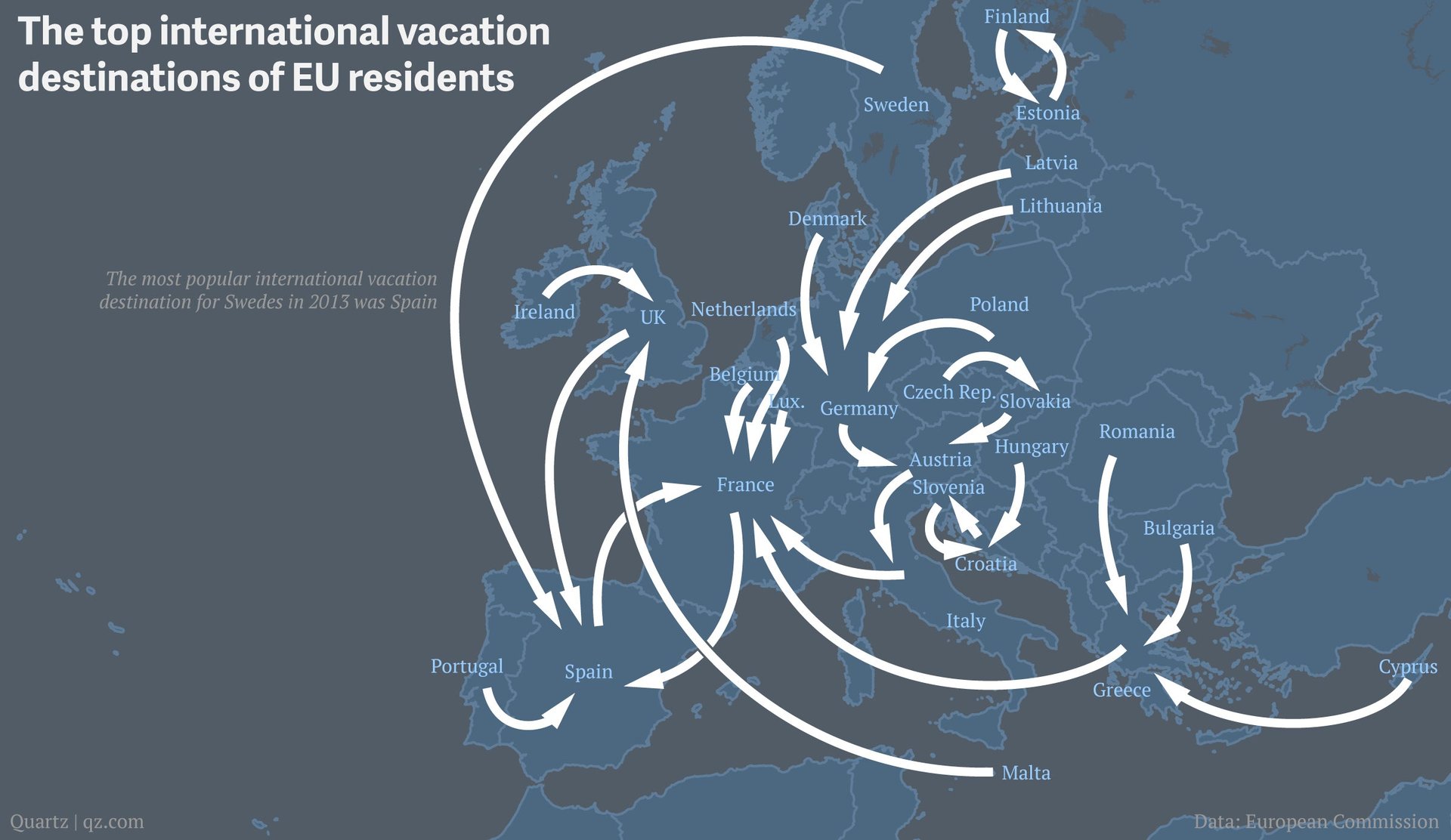
Many people’s dream vacations involve travel to distant, exotic lands. But the reality is that most people take their holidays close to home. Europeans, for example, tend not to stray very far, generally seeking out the nearest sunny spot at home or in the near abroad.
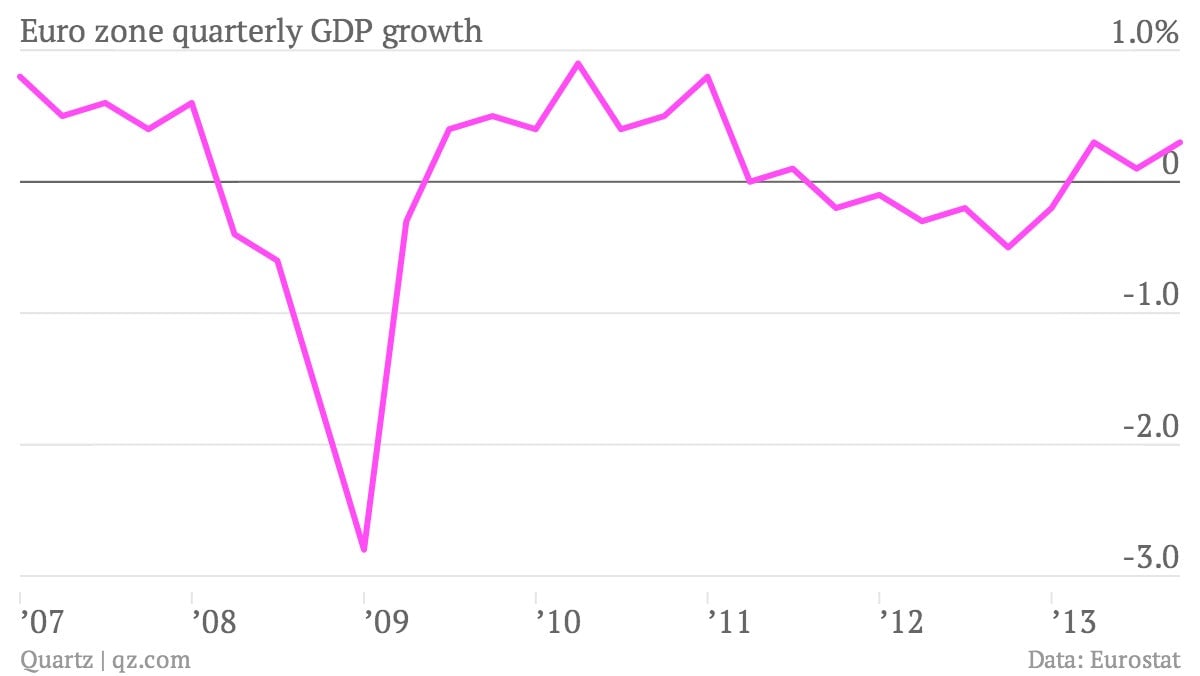
High unemployment, weak banks, a threat of deflation—some believed that the euro zone’s moribund economy would force the European Central Bank to cut interest rates or launch some other emergency stimulus effort last week. In the end, the ECB held firm, with president Mario Draghi rejecting the specter of deflation and noting “encouraging signs” of a recovery in growth.

As thrilling as it is to whizz through the countryside at up to 320 kmh (199 mph), France’s economic malaise means that fewer people are willing to pony up for the priciest routes on the famous TGV (Train à Grande Vitesse) network.