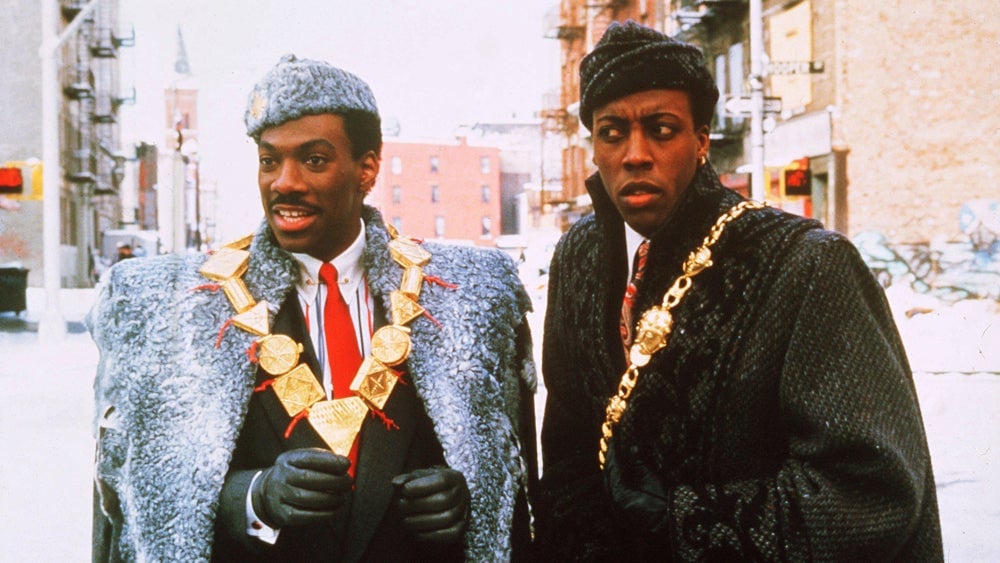
Prince Akeem is set to return to Queens, New York. More than three decades after Eddie Murphy played the fictional African prince in Coming to America, a remake is reportedly going ahead.

Prince Akeem is set to return to Queens, New York. More than three decades after Eddie Murphy played the fictional African prince in Coming to America, a remake is reportedly going ahead.

Internet access was restored in Zimbabwe late on Wednesday, but on Thursday WhatsApp, Facebook and Twitter remained inaccessible.

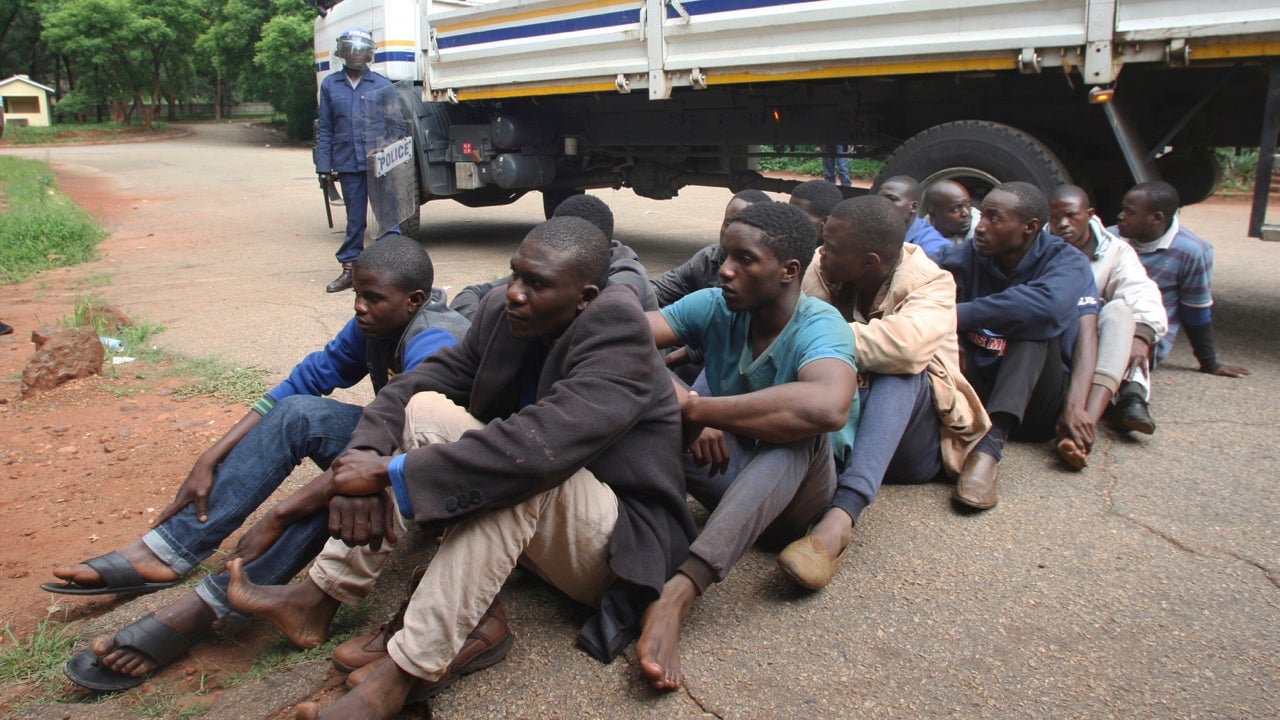
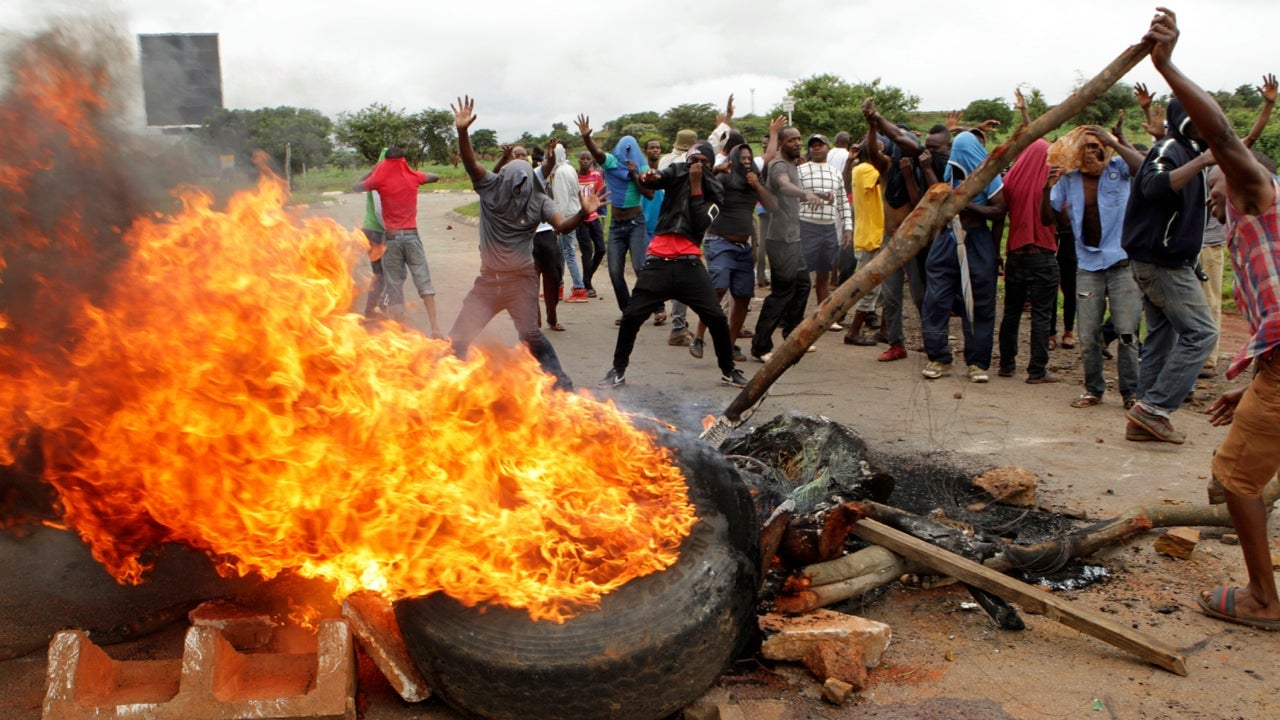
After five people were killed in widespread protests against record high fuel prices in Zimbabwe, the country’s government responded by deploying the military and shutting down the internet.

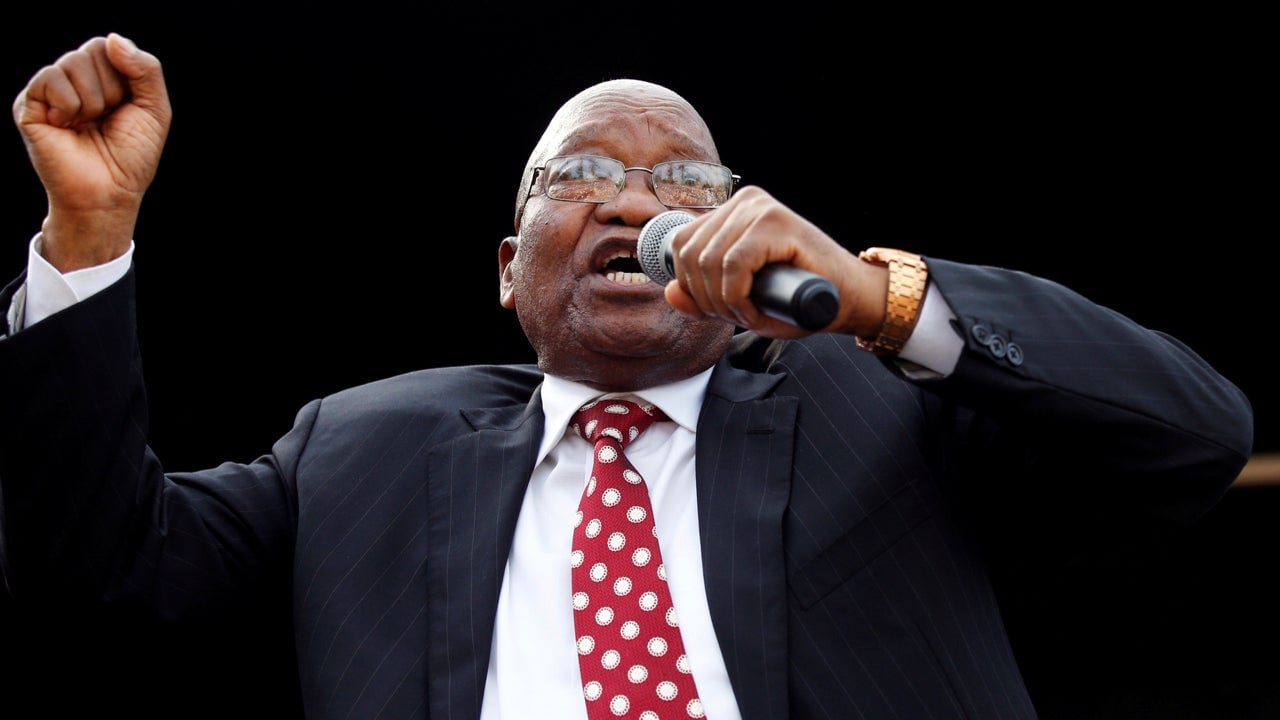
“It’s me, former president Jacob Zuma,” was how South Africa’s president re-introduced himself to South Africans, via a video message on Twitter. Since joining last month, he’s amassed 163,000 followers with 38 tweets and managed to insert himself into popular discourse. It’s also been an effective distraction from his ongoing corruption trial.

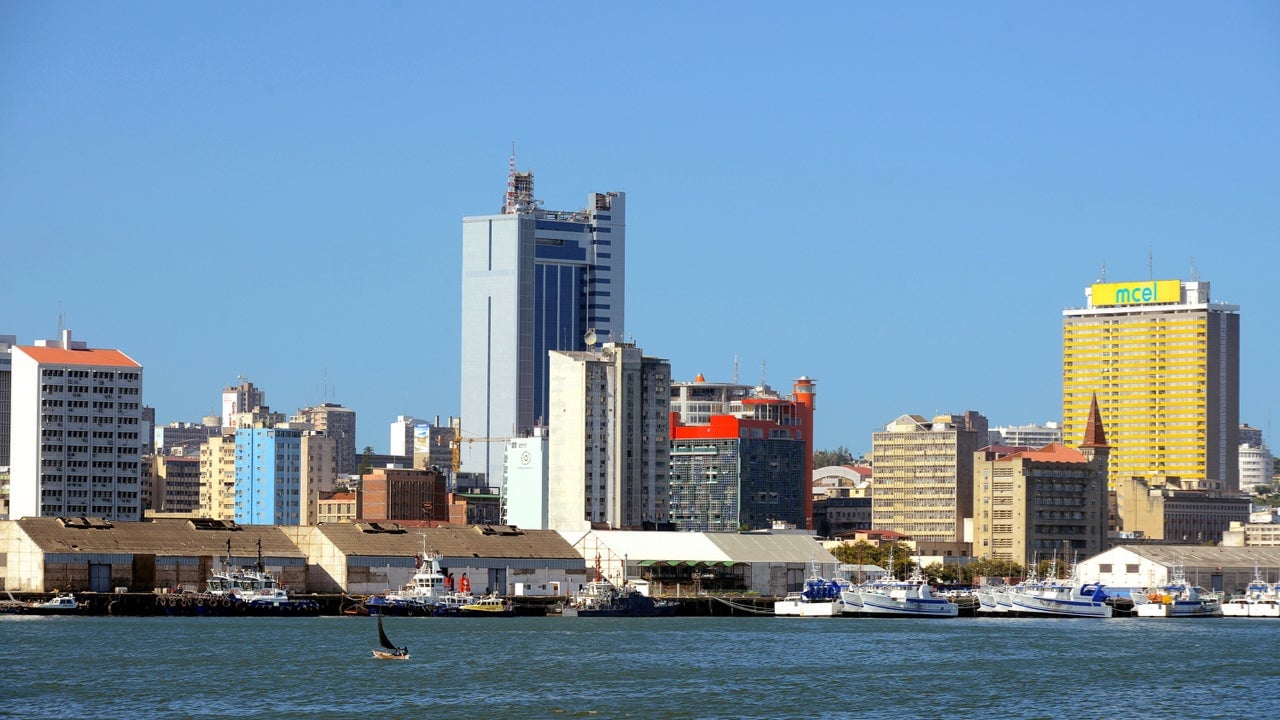
From a solitary jail cell east of Johannesburg, Mozambique’s former finance minister is fighting extradition to the United States.

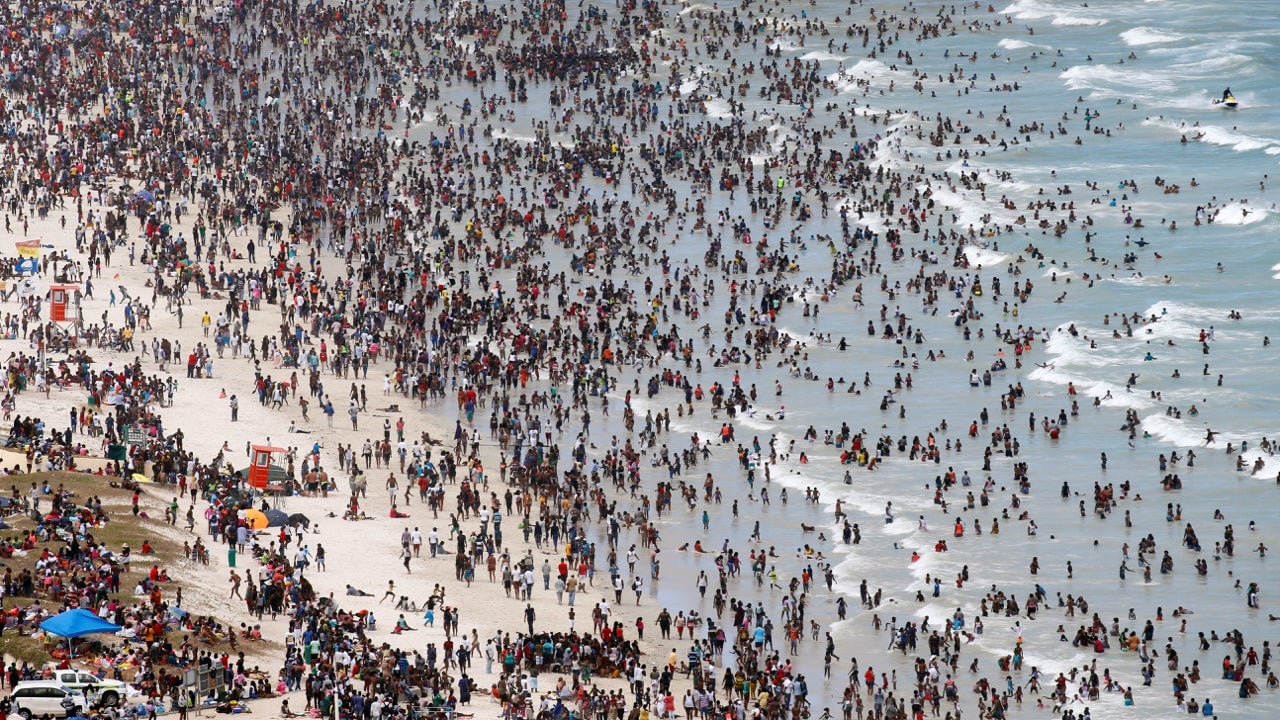
When an unassuming sheep was led onto Cape Town’s Clifton beach, the animal became the latest character in South Africa’s annual seaside race row. Clifton’s beaches were once white only and today form part of some of the country’s most expensive real estate.

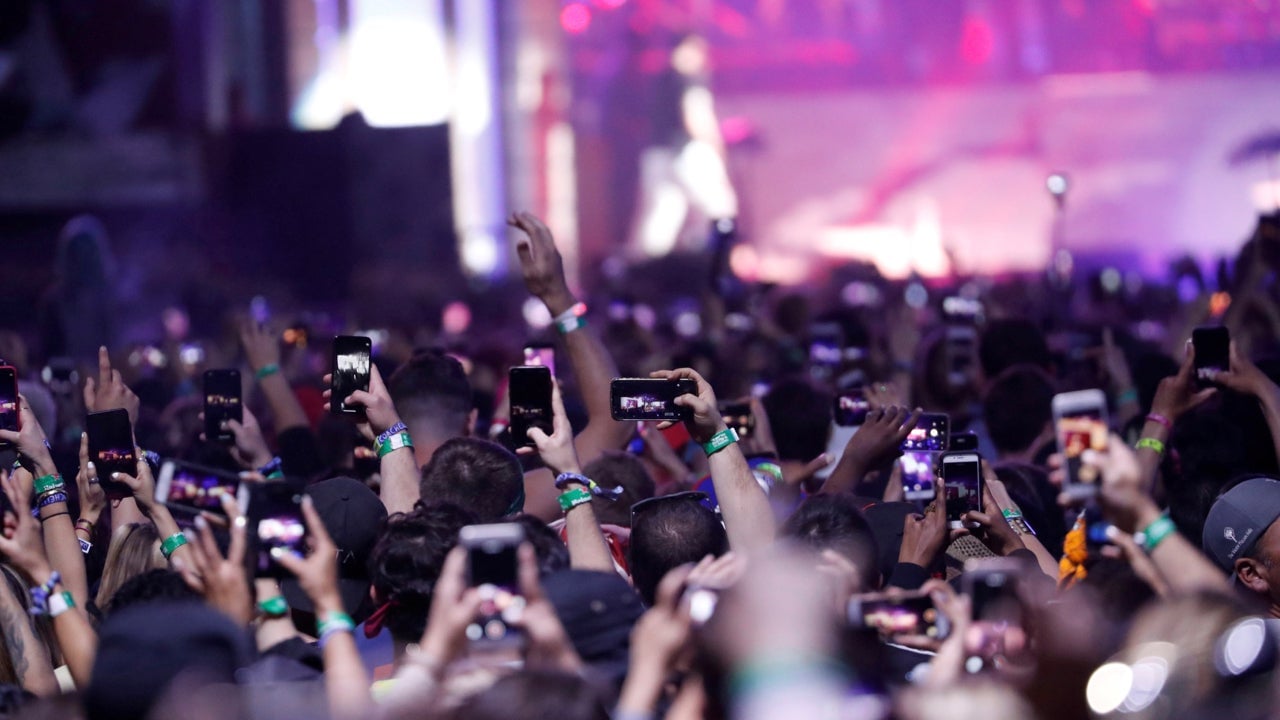
By virtue of social media hype and YouTube streaming, Coachella has become something of a global festival. Yet, even as Afrobeats emerges as Africa’s international music genre, it’s seems Coachella isn’t listening.

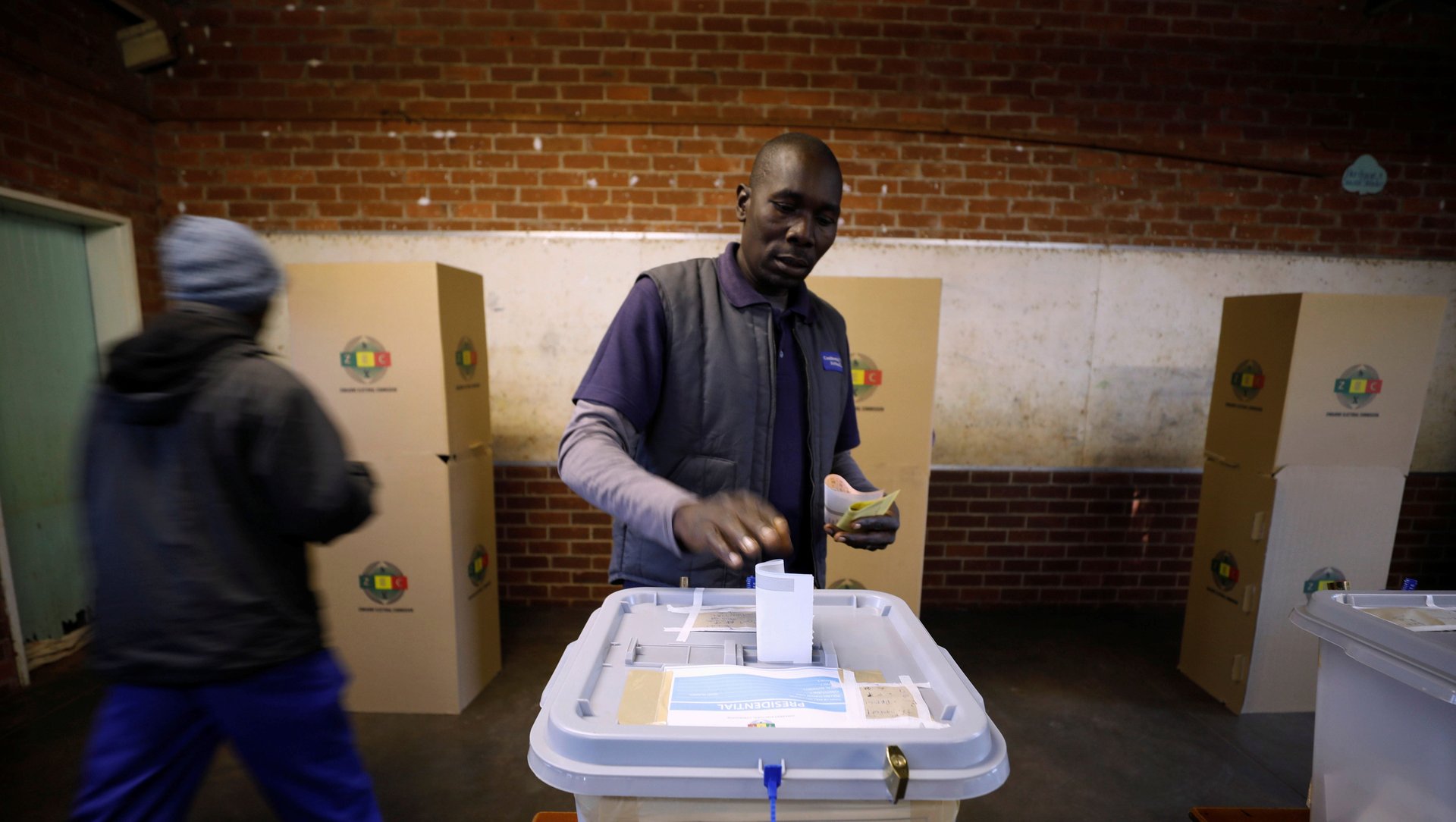
Tens of millions of Africans will go to the polls this year in the hope of using the ballot to deepen the quality of democratic governance. From the rural hinterlands to major cities, from the continent’s south to the north, at least 20 nations will hold presidential (Nigeria, Tunisia, Mauritania), parliamentary (Guinea, Cameroon, Mali) and council polls (Ghana, Niger).

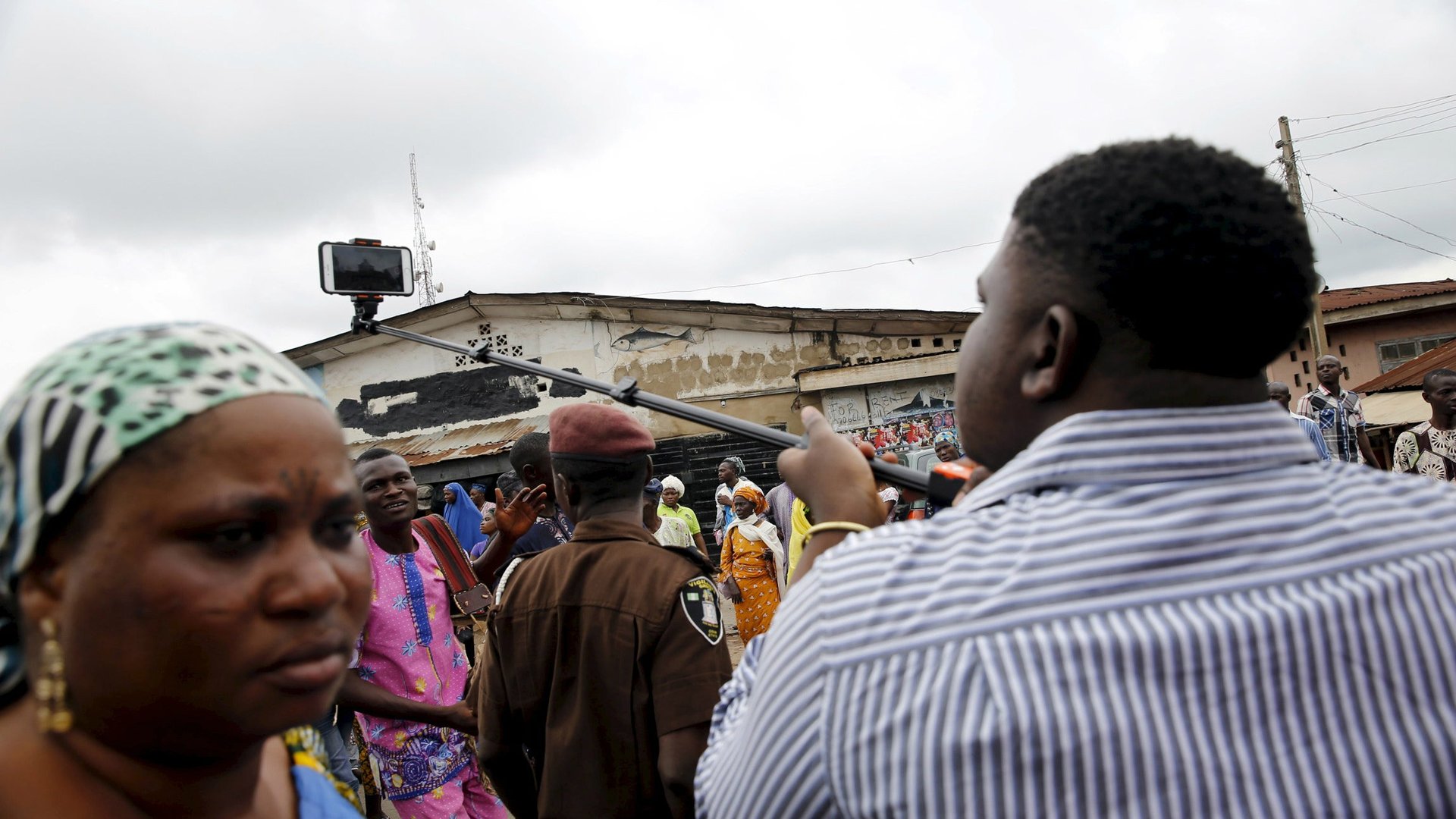
Growing smartphone and internet penetration across many African countries saw global streaming companies make a deeper play for audiences here this year.

Elections should usher in change, but in too many cases they highlight how entrenched political shortcomings are in contemporary African democracies.

This year marked 60 years since the publication of Chinua Achebe’s game-changing novel Things Fall Apart. A classic universal tale about the impact of colonial rule in Nigeria—and by extension Africa—the book’s influence and reach remain so seminal that Barack Obama recommended it in July on his maiden trip to Africa since leaving office.

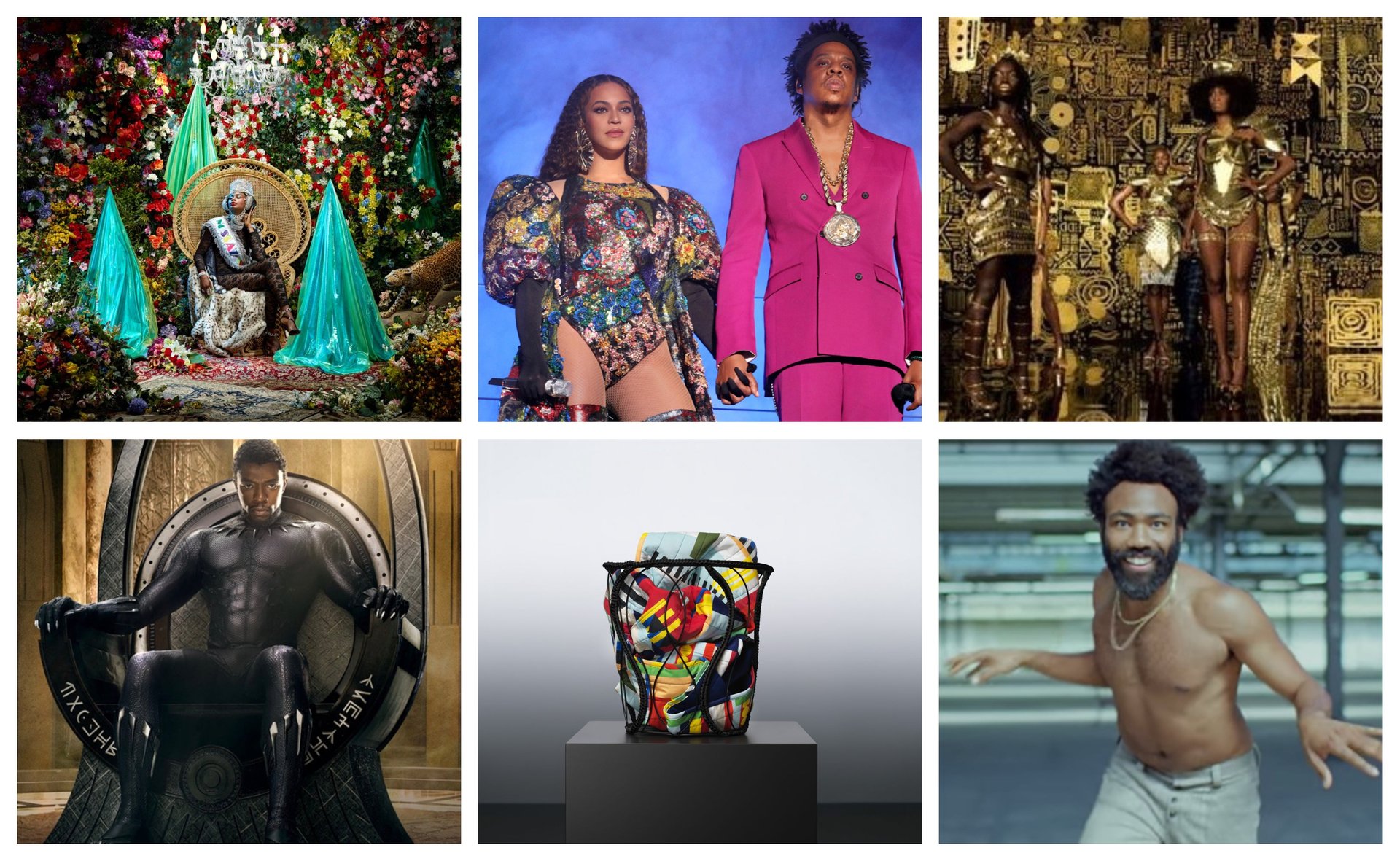
As revelers at the inaugural AfroPunk festival in Johannesburg rang in the new year, it set off a year in which the global cultural economy increasingly turned to Africa for inspiration. This attention also came with difficult lessons for the continent’s creatives.

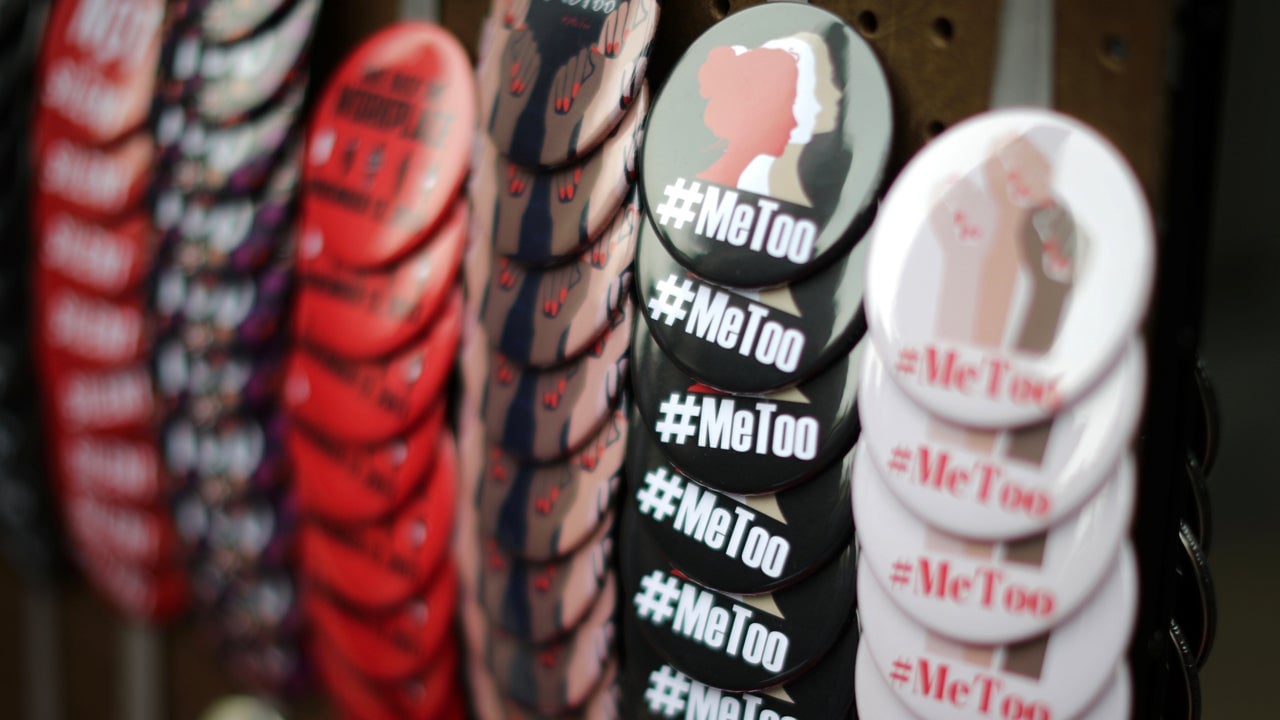
It seems that Africa’s women have missed the chance to add their voices to the global phenomenon that the #MeToo moment became in 2018. Their relative silence is both a lesson in the movement’s failure to become a truly inclusive network and a reminder of where power resides in patriarchal societies.

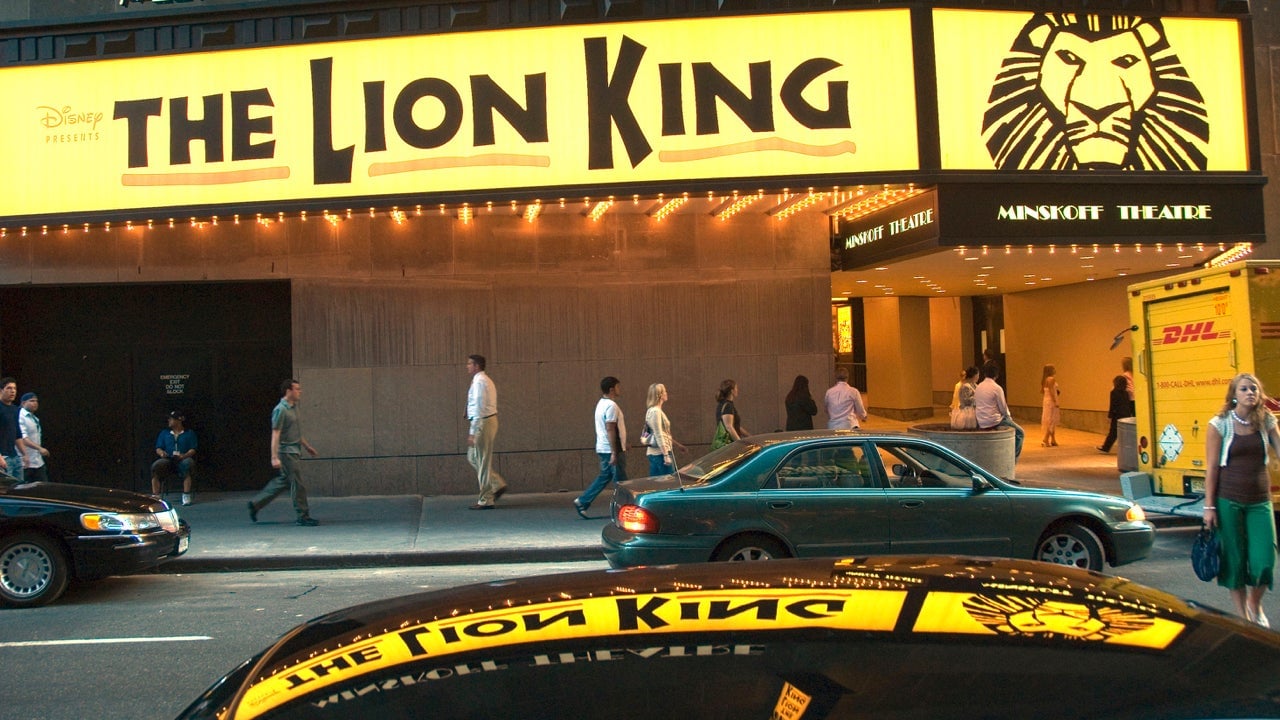
“Hakuna matata” is no longer the carefree phrase it once was.

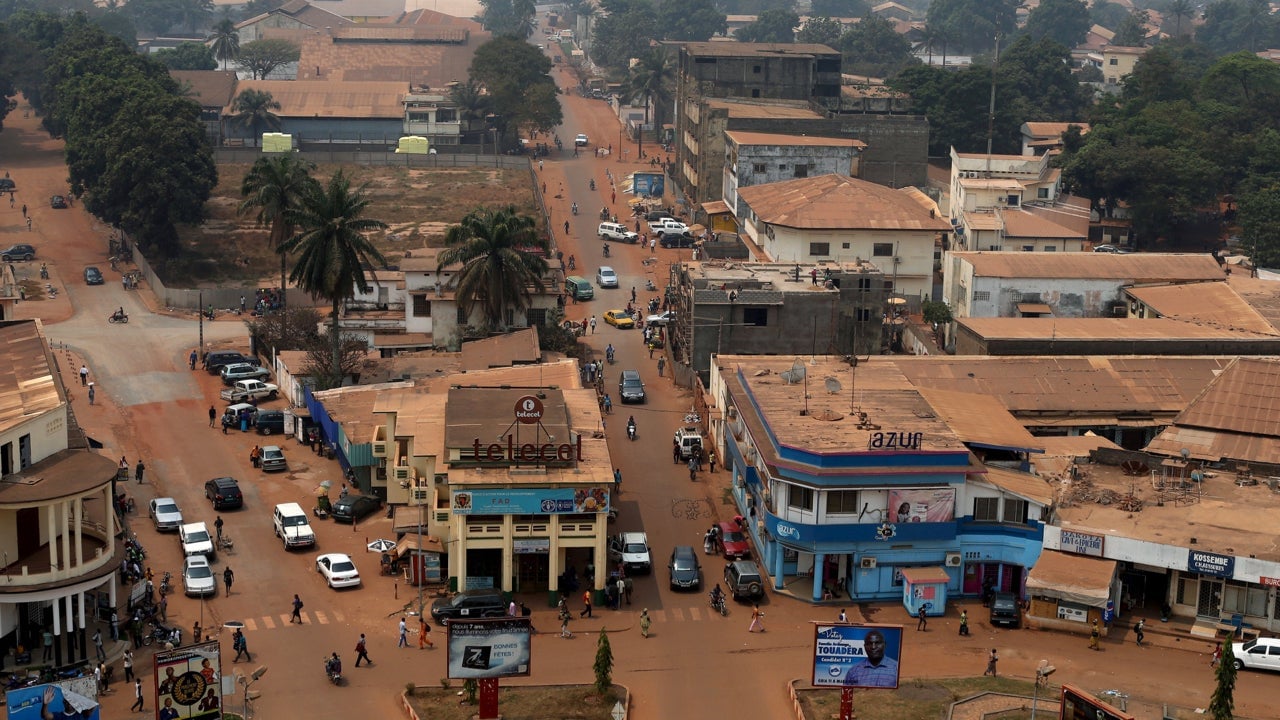
On many maps, the Central African Republic is a blank space in the middle of a continent that is already statistically under-represented. The data taken for granted in other countries are unavailable or simply unknown here. A civil war, successive coups, and near-constant violent instability have made data collection seem like an indulgence.

It will take more than a century to close the gap between men and women in sub-Saharan Africa, according to the World Economic Forum’s 2018 Global Gender Gap index. North Africa fared even worse.

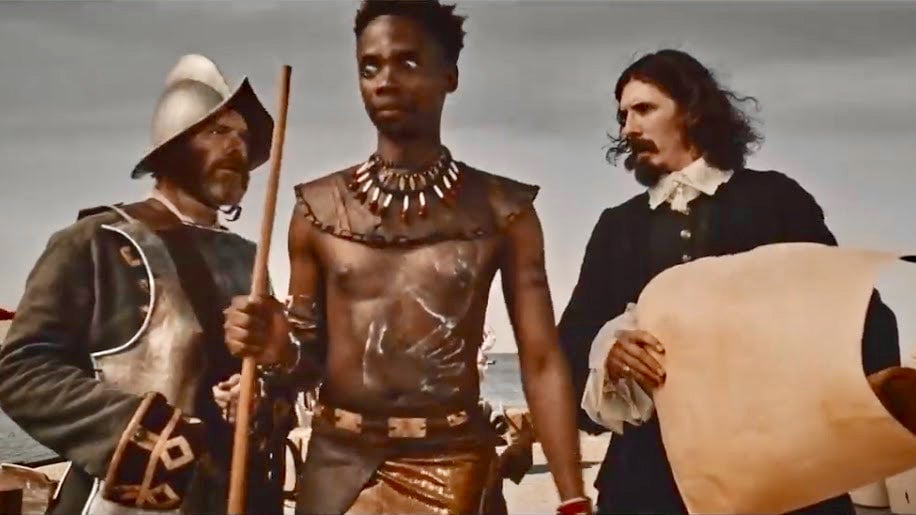
South African advertising agencies have used reincarnation, Africans in space and the Guptas to stand out in the competitive fried chicken market, but reverse colonization was a step too far.

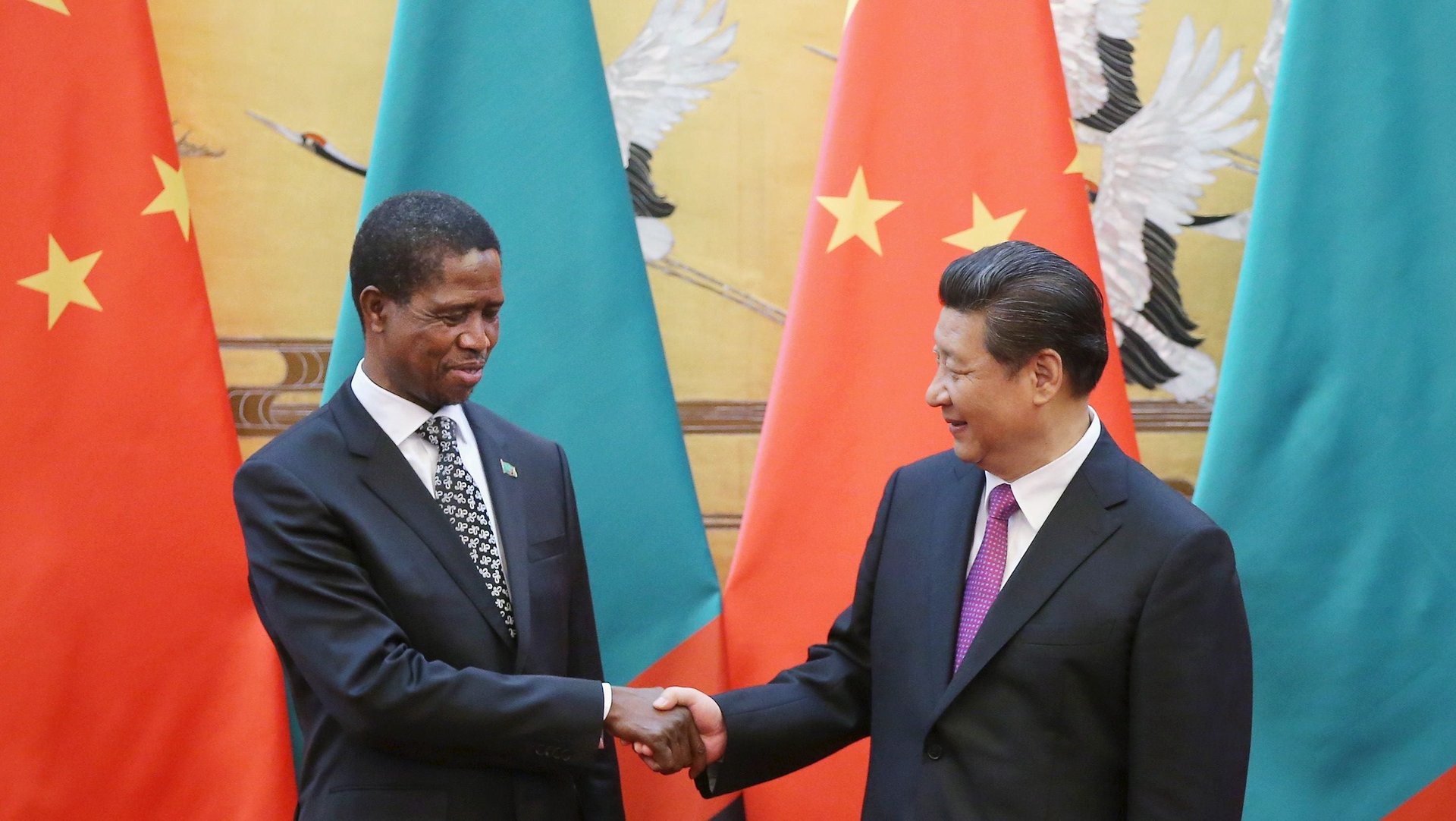
President Edgar Lungu says he didn’t mean it as insult, just a fact Zambians should accept.

Côte d’Ivoire’s post-war recovery has been lauded around the world, and the development of a new mall is a sign that the optimism has a solid foundation.

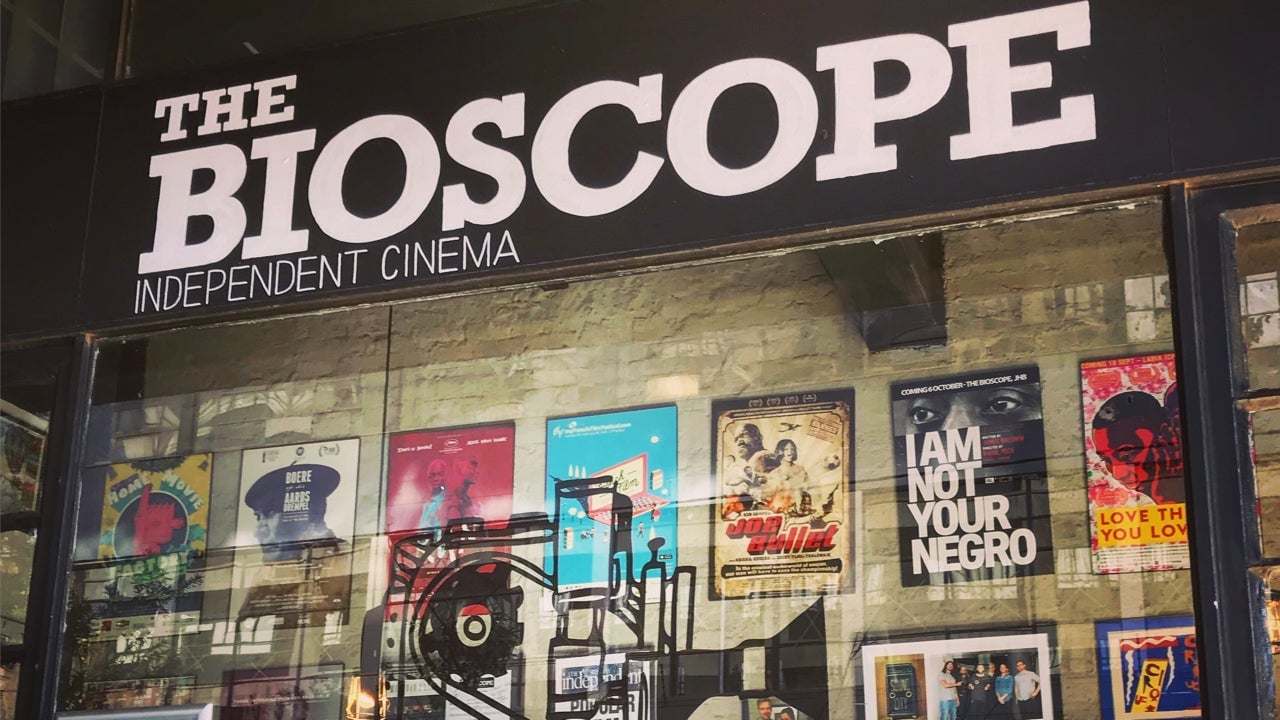
Soon after its invention in the late 19th century, the bioscope became so popular it was synonymous with cinema. Even though the technology has long since become obsolete, we still use the flickering projector as a sort of mascot for the film industry.

Next year, a highly trained top spy will start using her skills and stealth to better the lives of African citizens. Well, on Netflix at least, as the streaming service makes good on its promise to cater to African audiences.

The rechargeable lithium-ion battery helps define our era. It powers our smartphones and electric cars, and promises a future where we’re better able to store renewable energy. It also requires lithium and cobalt, minerals that some of the world’s poorest countries happen to have in abundance. That should be good news for all concerned, but mismanagement and graft—common in extractive industries—are making the latest mining boom look uncomfortably like the bad old days of previous booms.

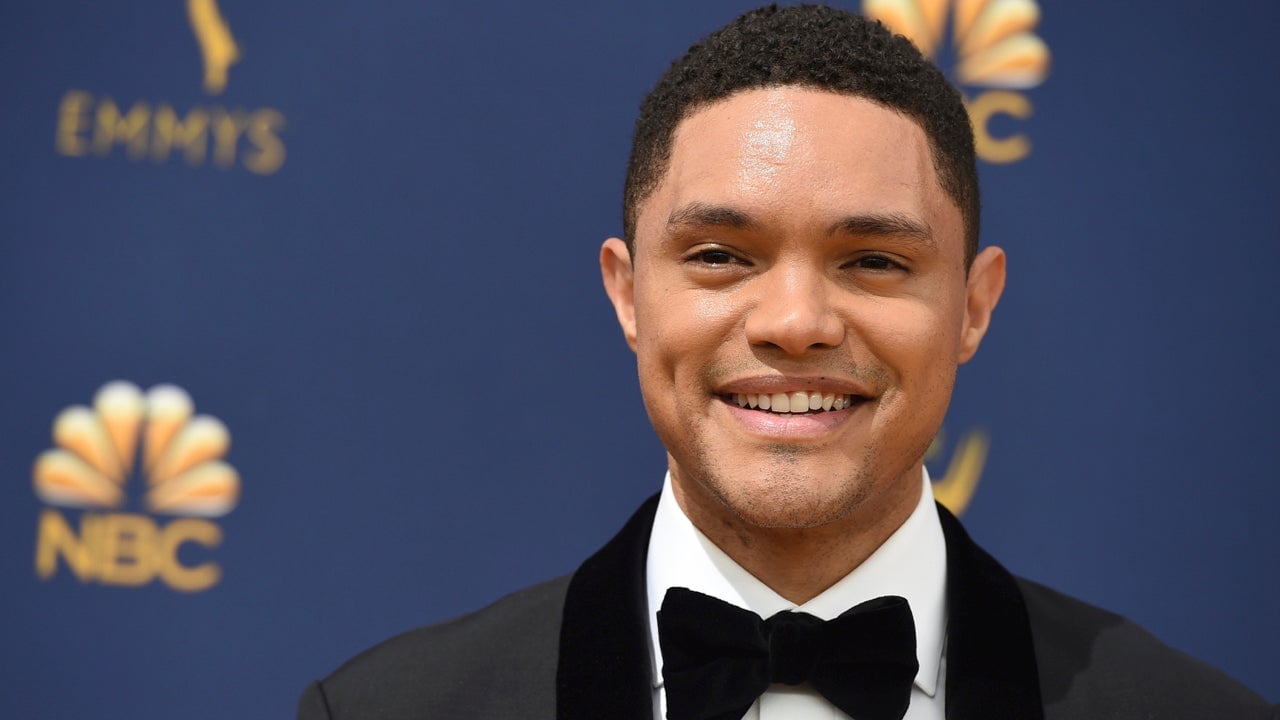
As part of his “Self-Deportation Editon,” Trevor Noah took his Daily Show audience to his childhood home in Soweto in an MTV Cribs-style spoof, “Cribs: Oppression Edition.” He walks through the narrow streets that have changed little since Noah’s childhood, and shows off the improvised security systems that life in the township required.

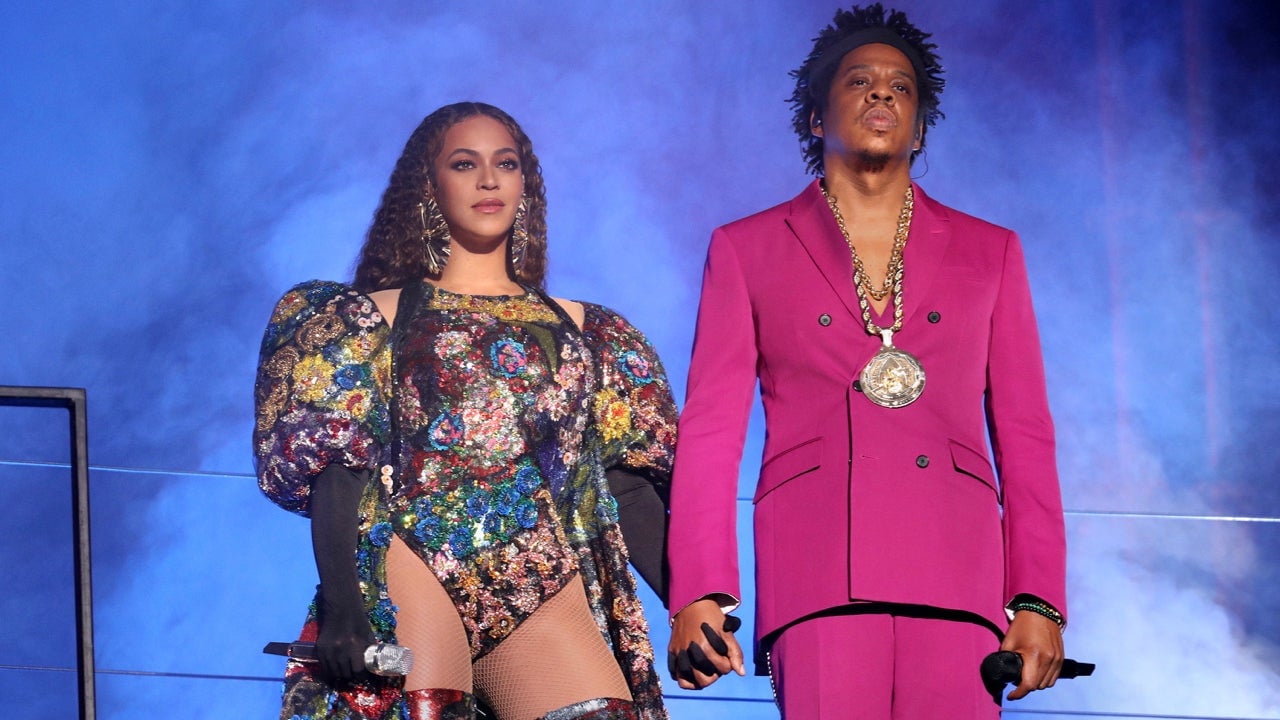
Beyoncé and Jay-Z did not disappoint fans who waited all day to see the superstar couple perform at the Global Citizen concert in Johannesburg on Sunday (Dec. 2). The euphoria of the star-studded festival quickly faded as concert-goers were targeted by robbers as they left the stadium.