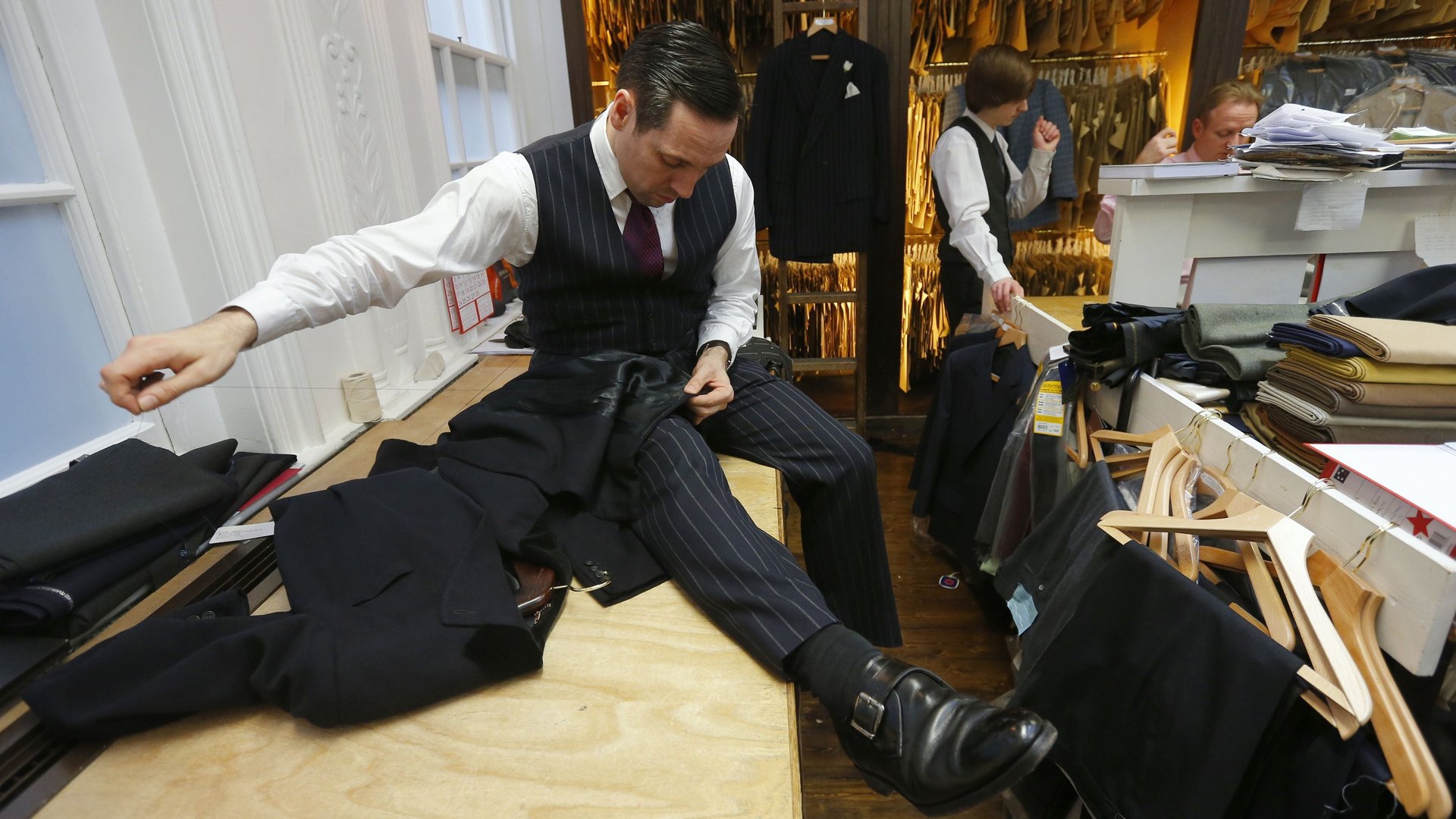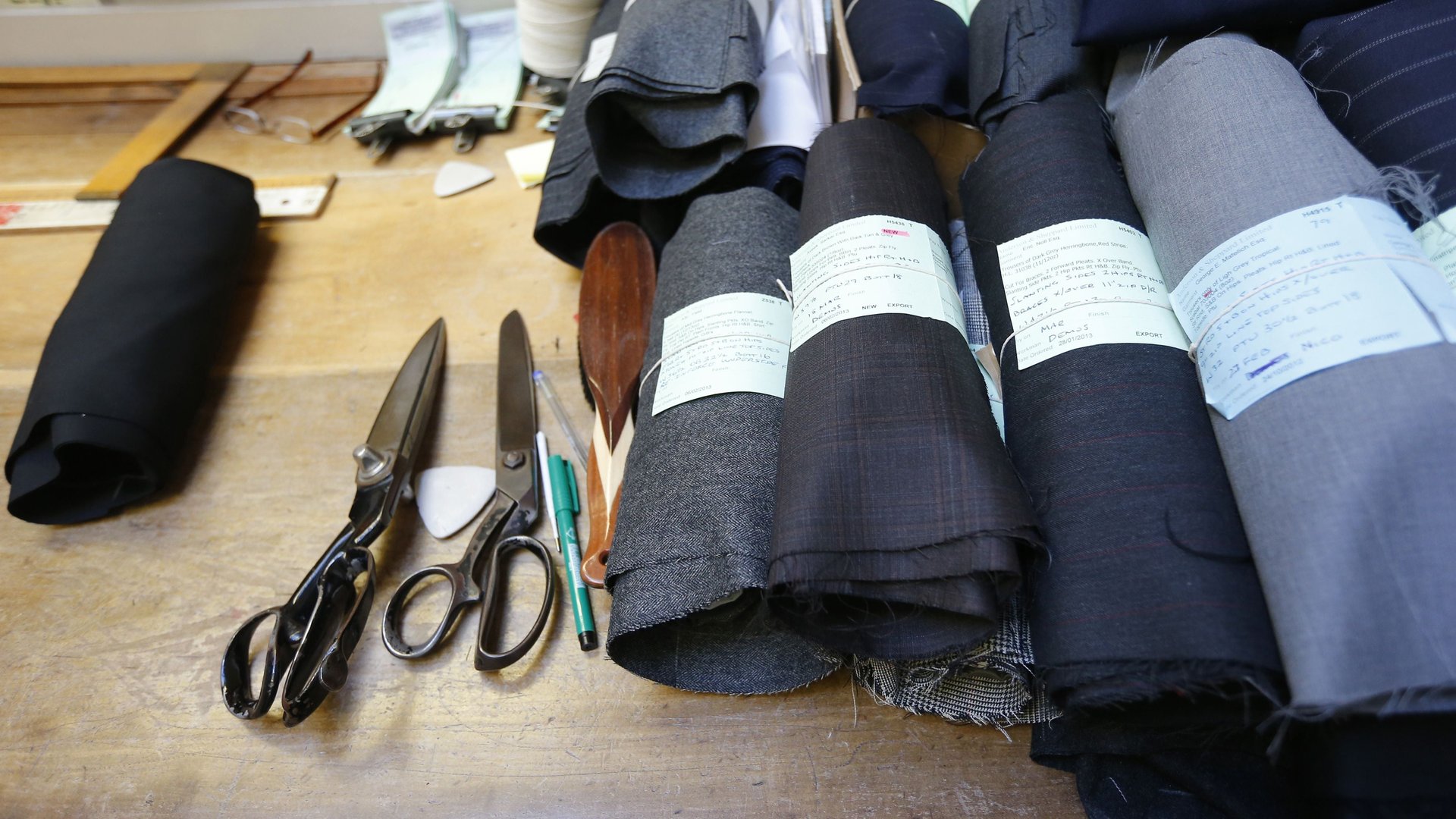
The North American market for online custom menswear has mushroomed in the past few years, giving guys more options than ever for getting a high-quality, relatively low-cost shirt cut to precise specifications, without having to visit the tailor.

The North American market for online custom menswear has mushroomed in the past few years, giving guys more options than ever for getting a high-quality, relatively low-cost shirt cut to precise specifications, without having to visit the tailor.

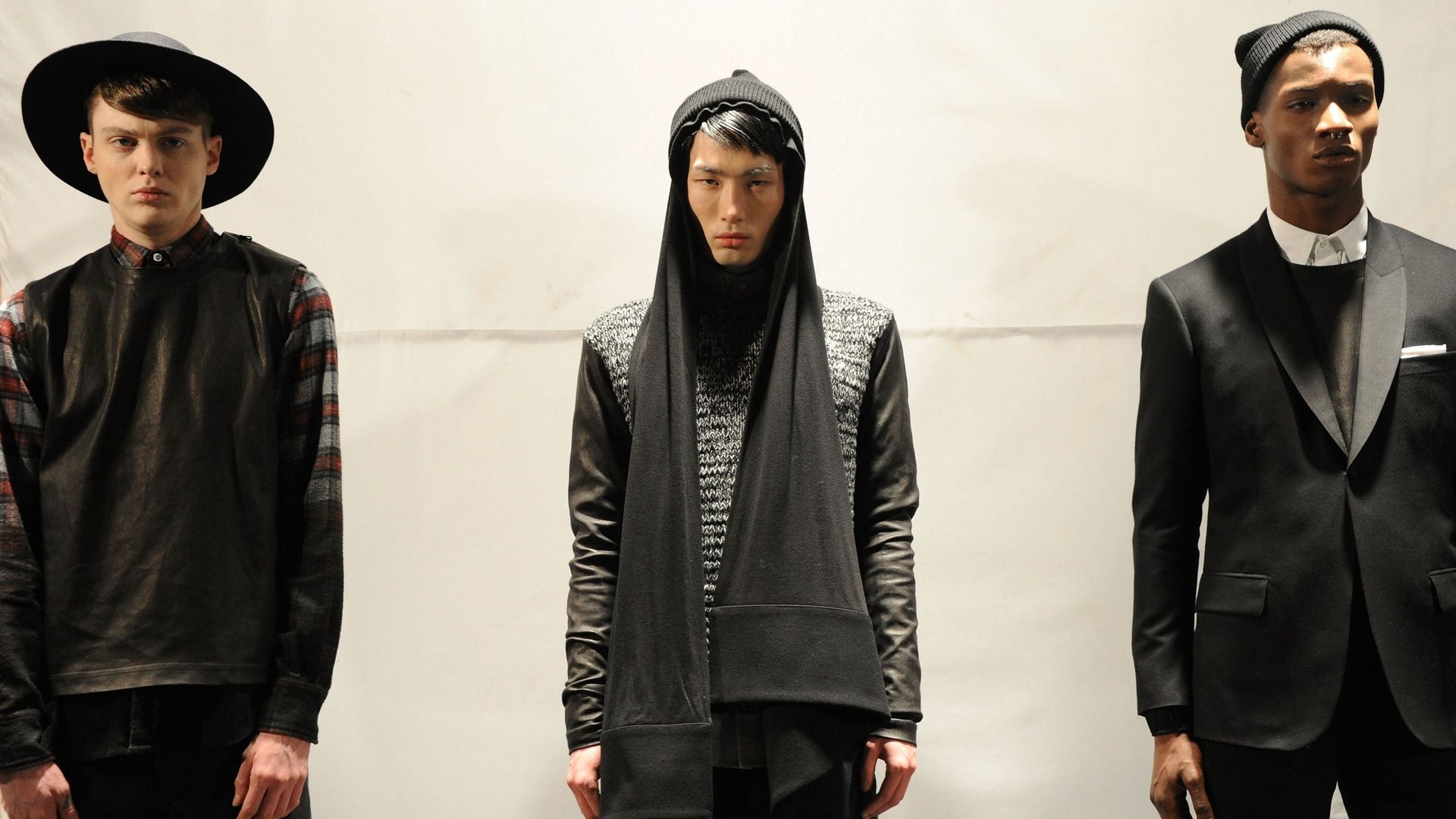
The fashion label Public School, known for its heavy use of black and for taking influence from streetwear and sportswear, is one of the coolest brands in New York right now. It’s also a local one. Founders Maxwell Osborne and Dao-Yi Chow both grew up in the city and got their education in its public school system, hence the brand’s name.

Google has released its first-ever fashion trend report (pdf), which analyzed six billion search queries related to fashion between January 2012 and February 2015 to come up with predictions about what people will be wearing this spring.

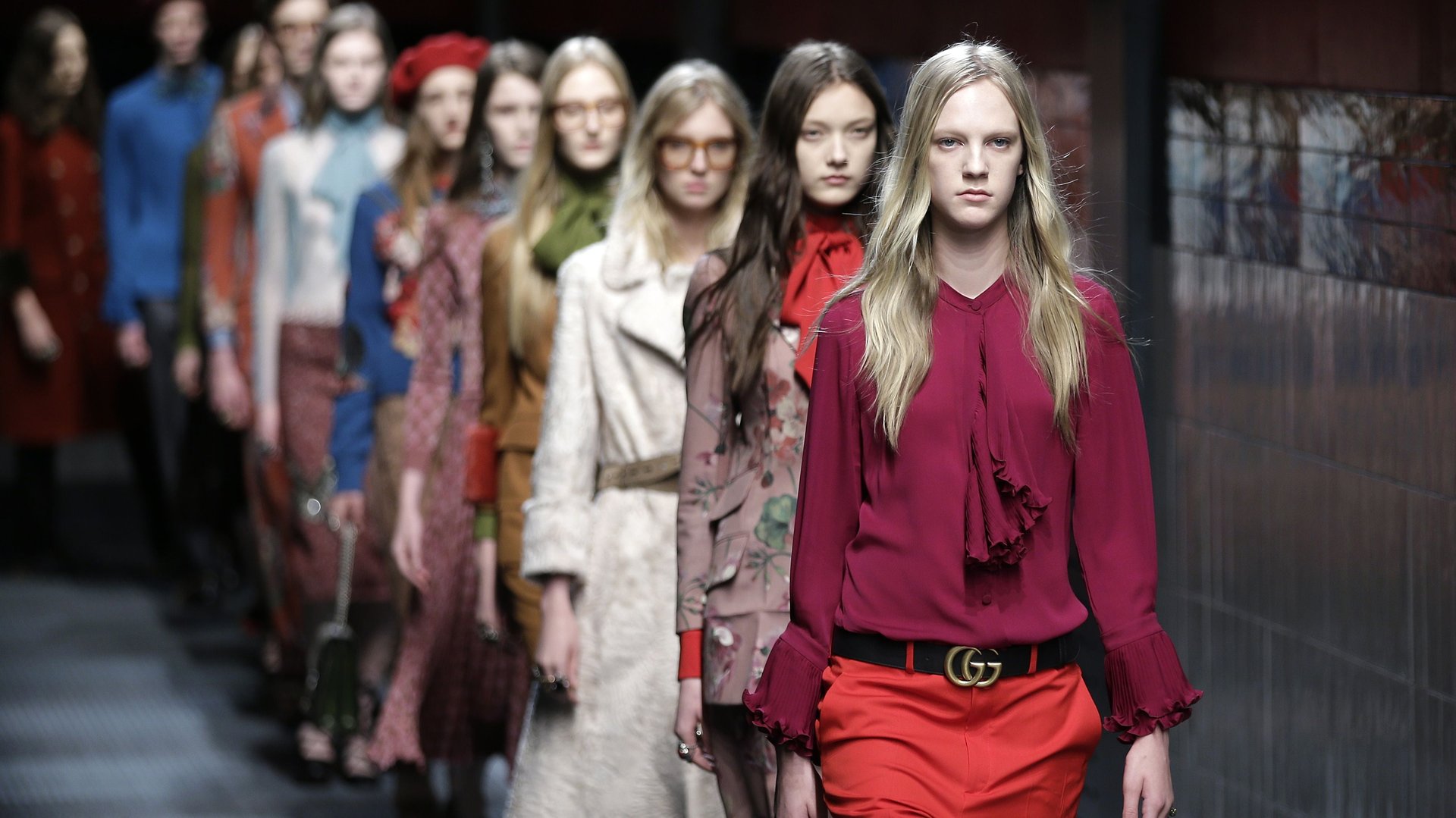
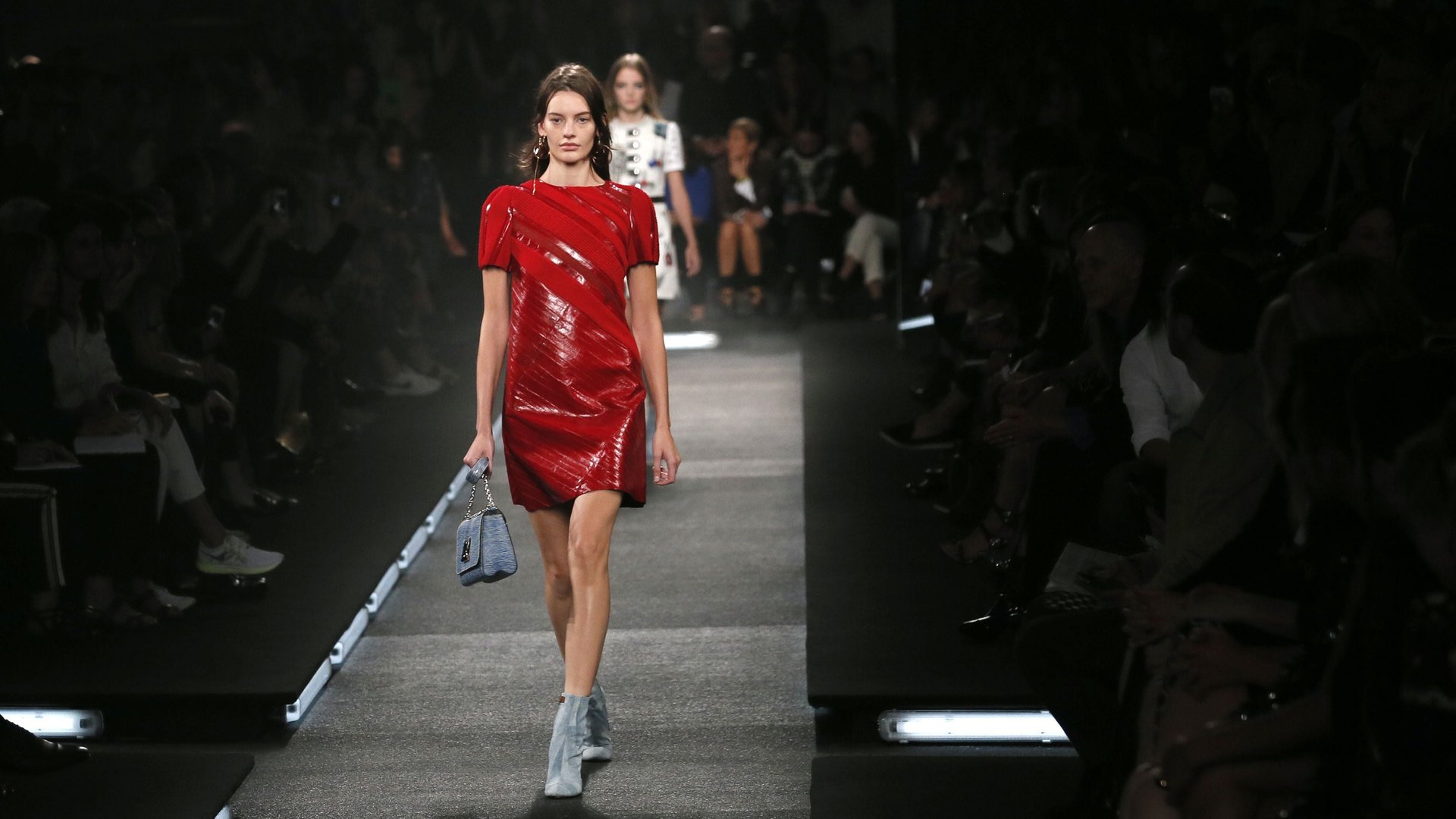
One of fashion’s major story lines of the last year has been the industry’s sudden, widespread embrace of clothes that ignore gender lines. While cool, iconoclastic labels, such as Comme des Garçons, Rick Owens, and Rad Hourani, have been doing it for years, now Gucci is presenting pussy-bow blouses for guys, and Prada showed a collection last June that was simultaneously his and hers. The concept hasn’t been relegated to the runways either. Fancy London department store Selfridges unveiled its Agender campaign earlier this year, and come June, thecorner.com, an online boutique, will dedicate a channel on its site to what it calls “gender-neutral” clothing and accessories that offer ”an alternative to the classic ‘Men’s’ vs ‘Women’s’ dichotomy.”

This post has been corrected.

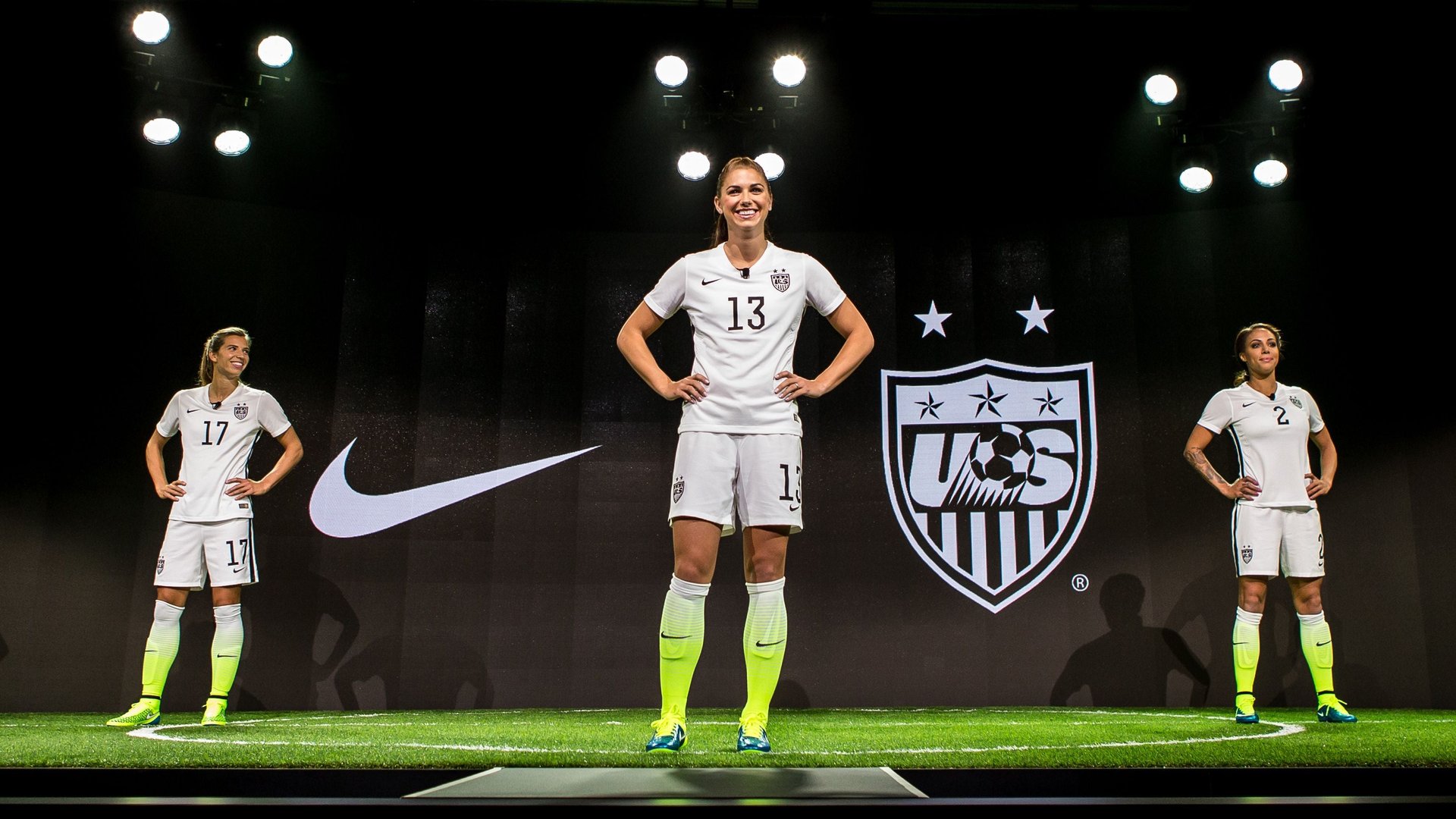
The women’s World Cup is rapidly approaching, and as countries gear up for the tournament, Nike has unveiled the home kits that the US women’s national team will wear on the field. The mostly black-and-white jerseys have sparked some outrage for not brandishing the colors of the US flag, but another of the jersey’s traits is sure to find more support.

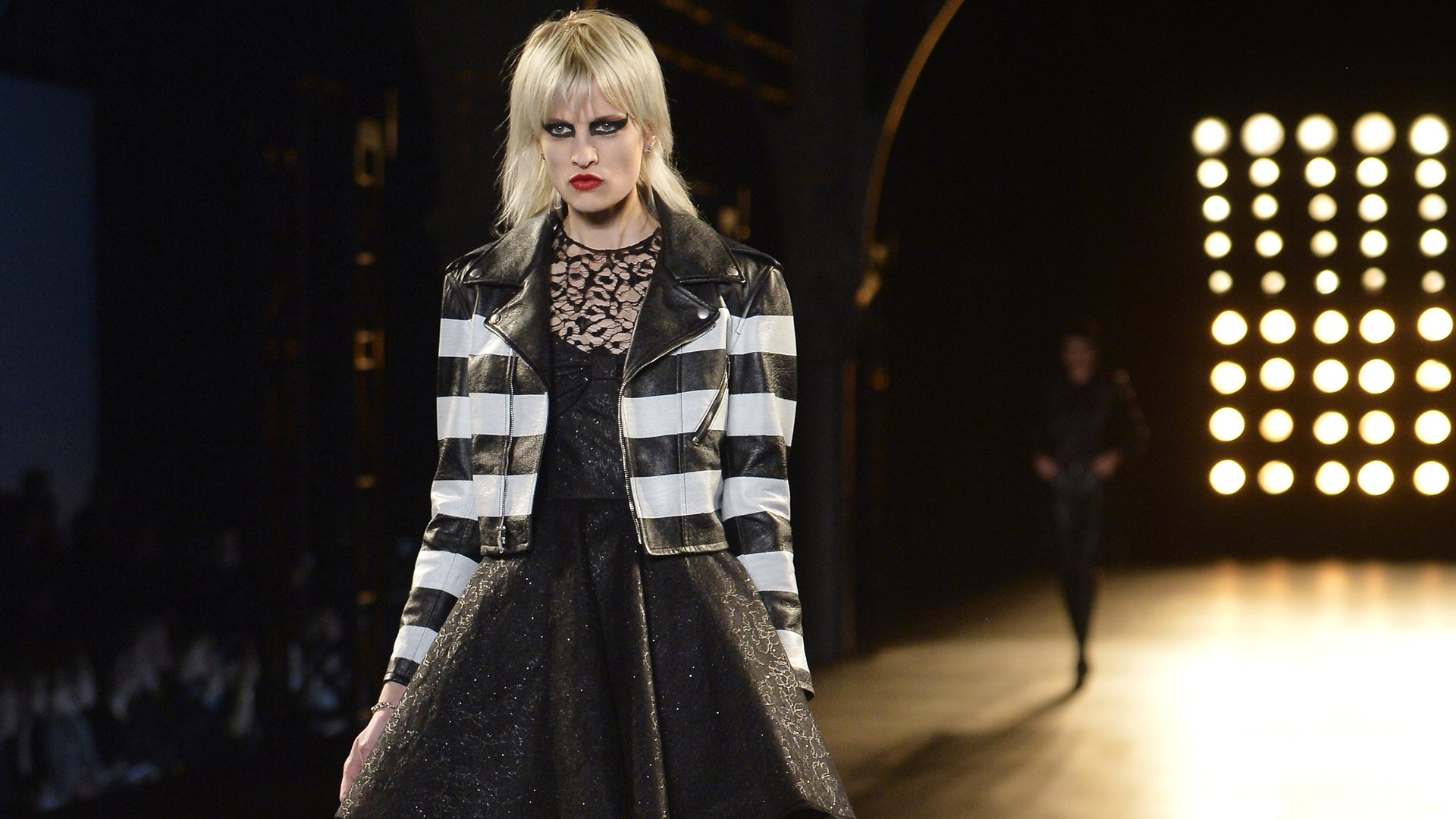
When the global fashion group Kering released its first-quarter earnings report (pdf) on April 21, it offered investors good news and bad news. The bad news was that sales of Gucci, its star brand, were down 7.9%, making it Gucci’s worst quarterly performance in years. The good news was that sales at another fashion house it owns, Saint Laurent, were up an impressive 21.2%.

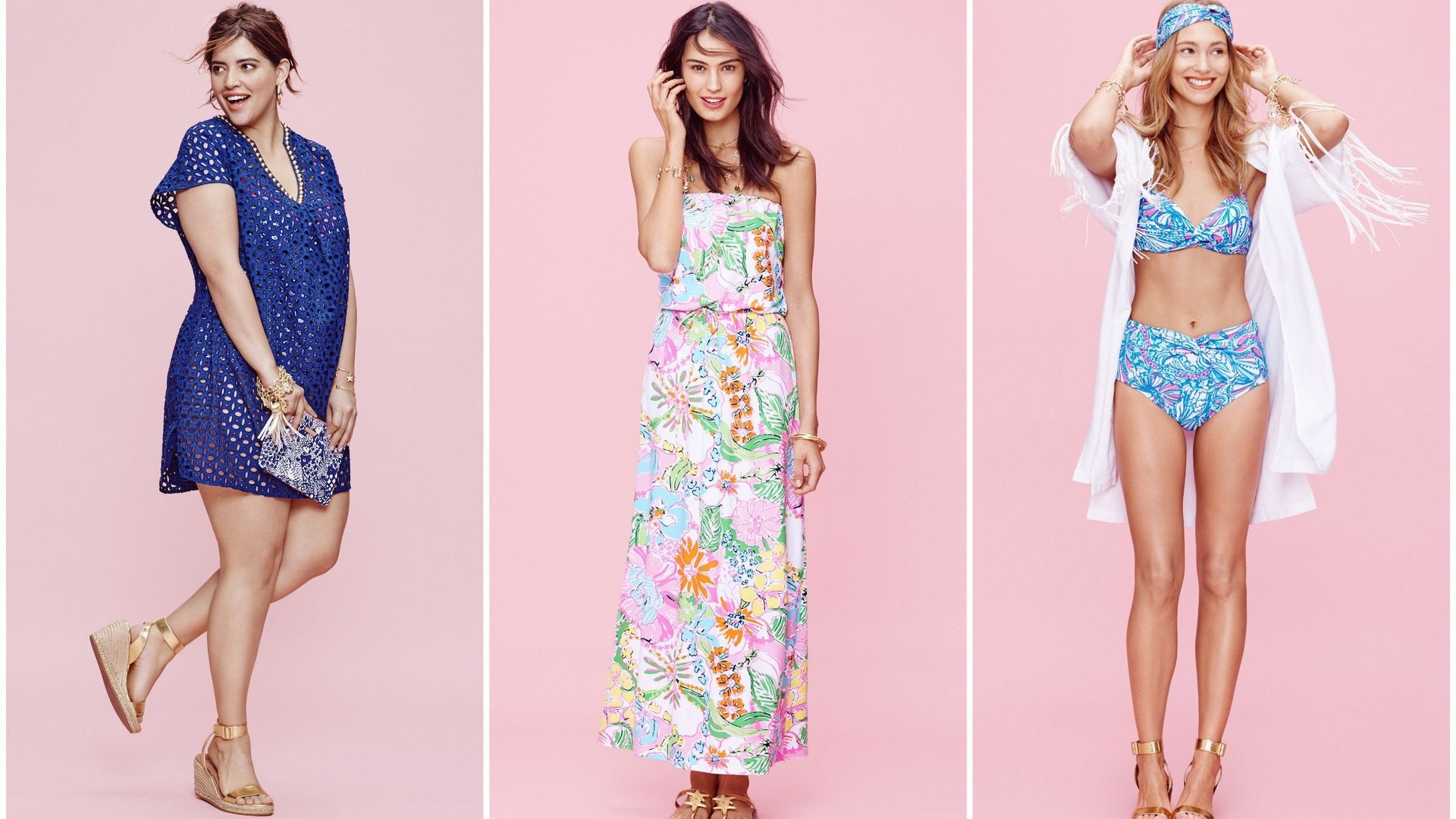
It’s practically a given at this point that when a big retailer puts a new designer collaboration up for sale, the overwhelming customer demand will crash its website.

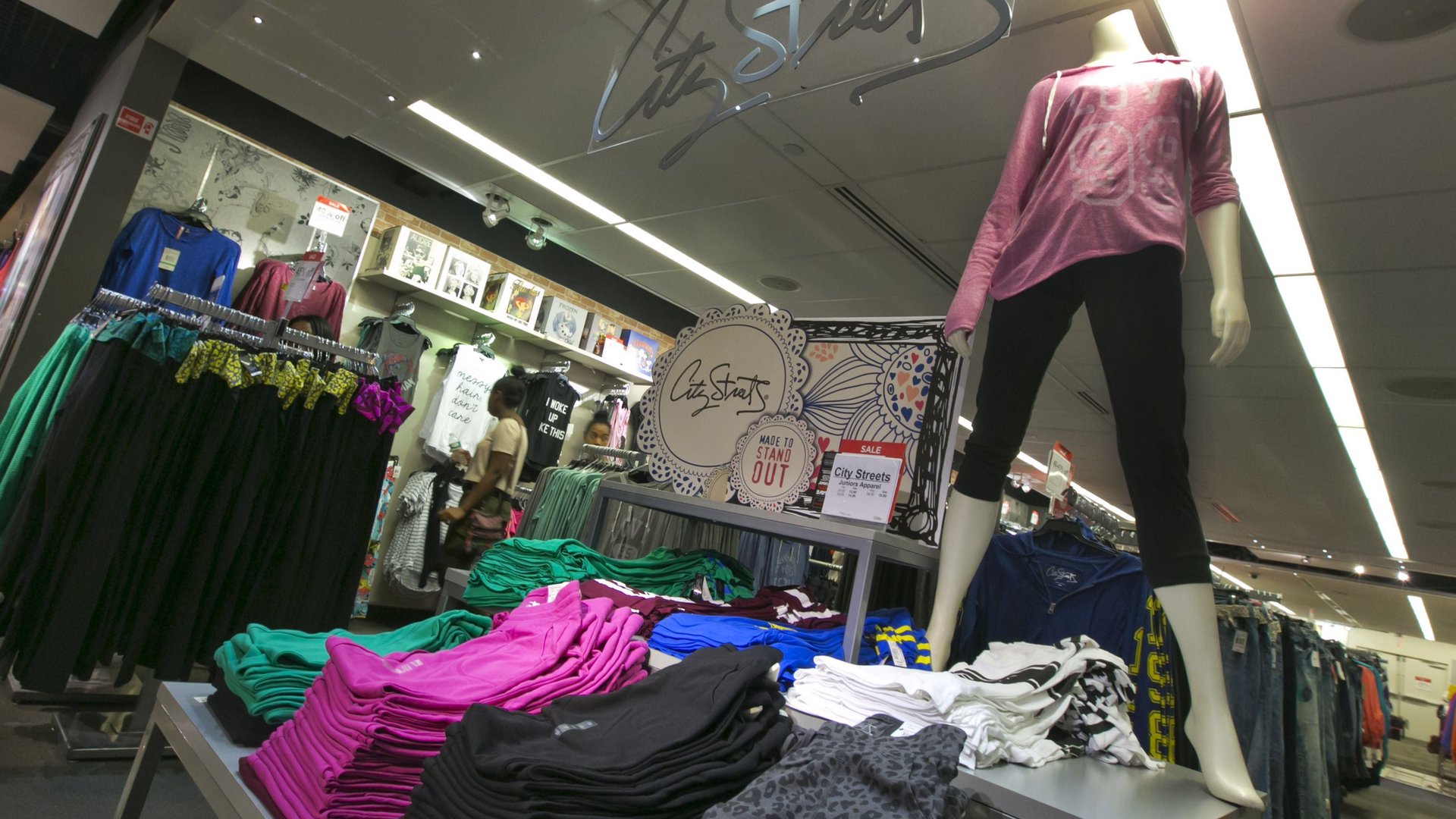
An in-depth survey of 6,200 US teens by investment bank Piper Jaffray offers two big takeaways: Teens, led by upper-income girls, are moving quickly away from denim and toward a life of athleisure spent in soft, stretchy sweatpants; and Nike is probably where they’ll be buying those sweats. (The survey, released on April 15, calculated “mindshare” based on teens’ votes for their preferred brands and trends.)

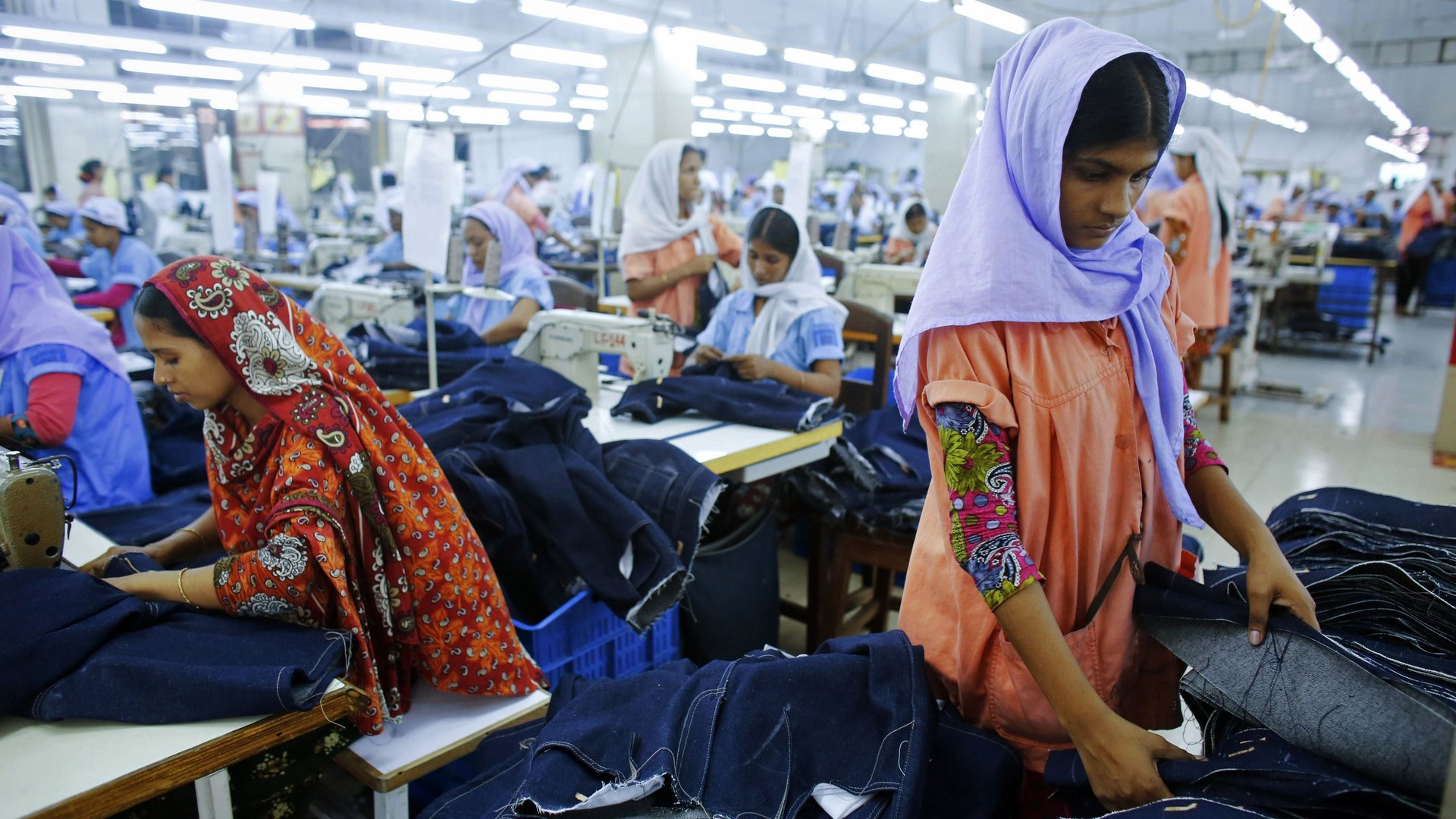
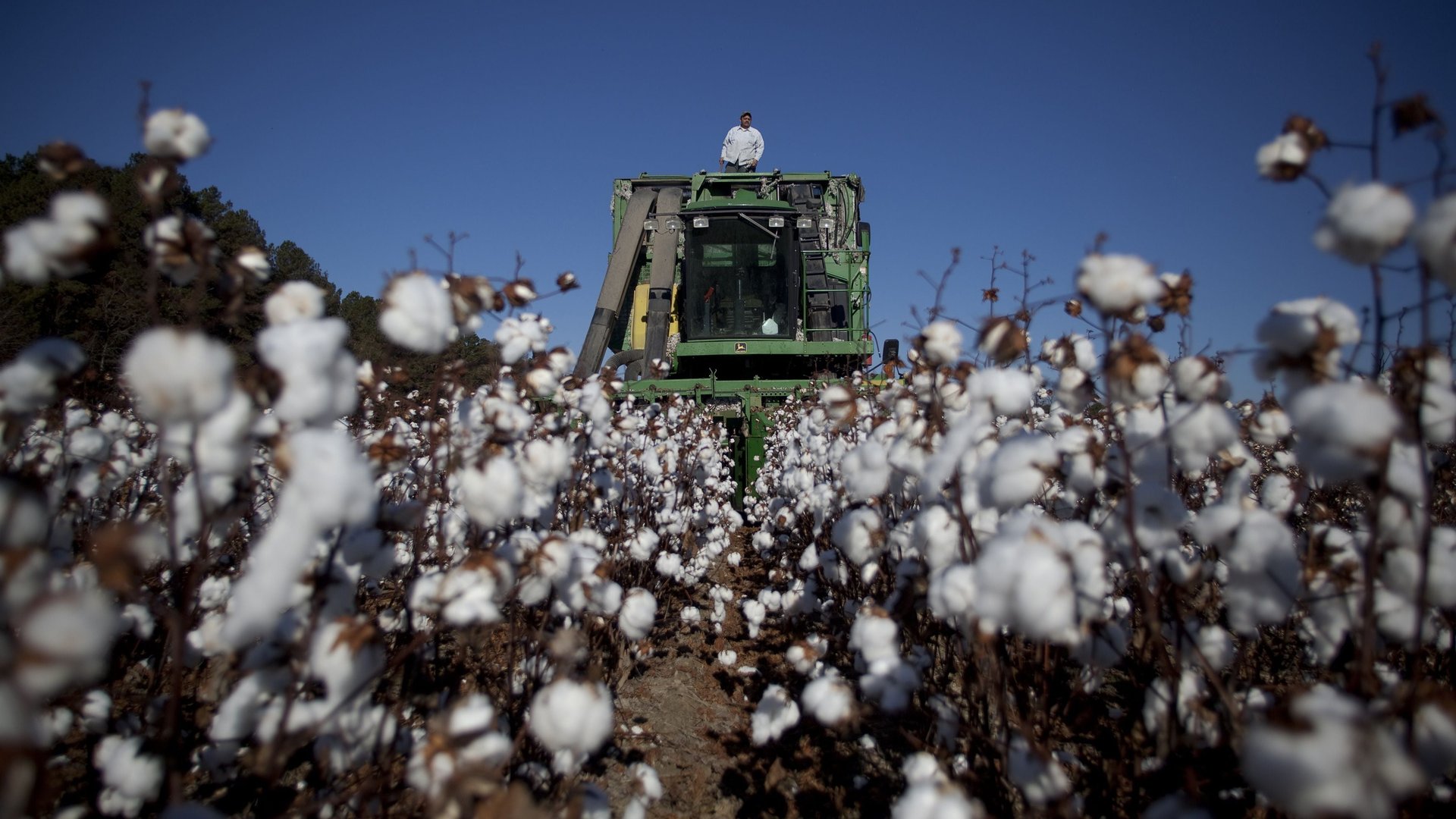
Fashion is a dirty business, and the process of dyeing and finishing textiles is a particularly filthy part of it. It uses a lot of energy and water, as well as toxic chemicals with disturbing side effects such as causing hormone imbalances in wildlife. These chemicals can easily end up in a mill’s wastewater, contaminating nearby lakes and rivers.

The numbers: Great. LVMH, the parent company of Louis Vuitton and a number of other brands, continues to show strong growth (pdf) after a very successful 2014. The luxury group reported first-quarter revenue for the year of €8.3 billion ($8.9 billion), an increase of 15.5% over the same quarter last year and a 12.7% increase from Q3 2014.

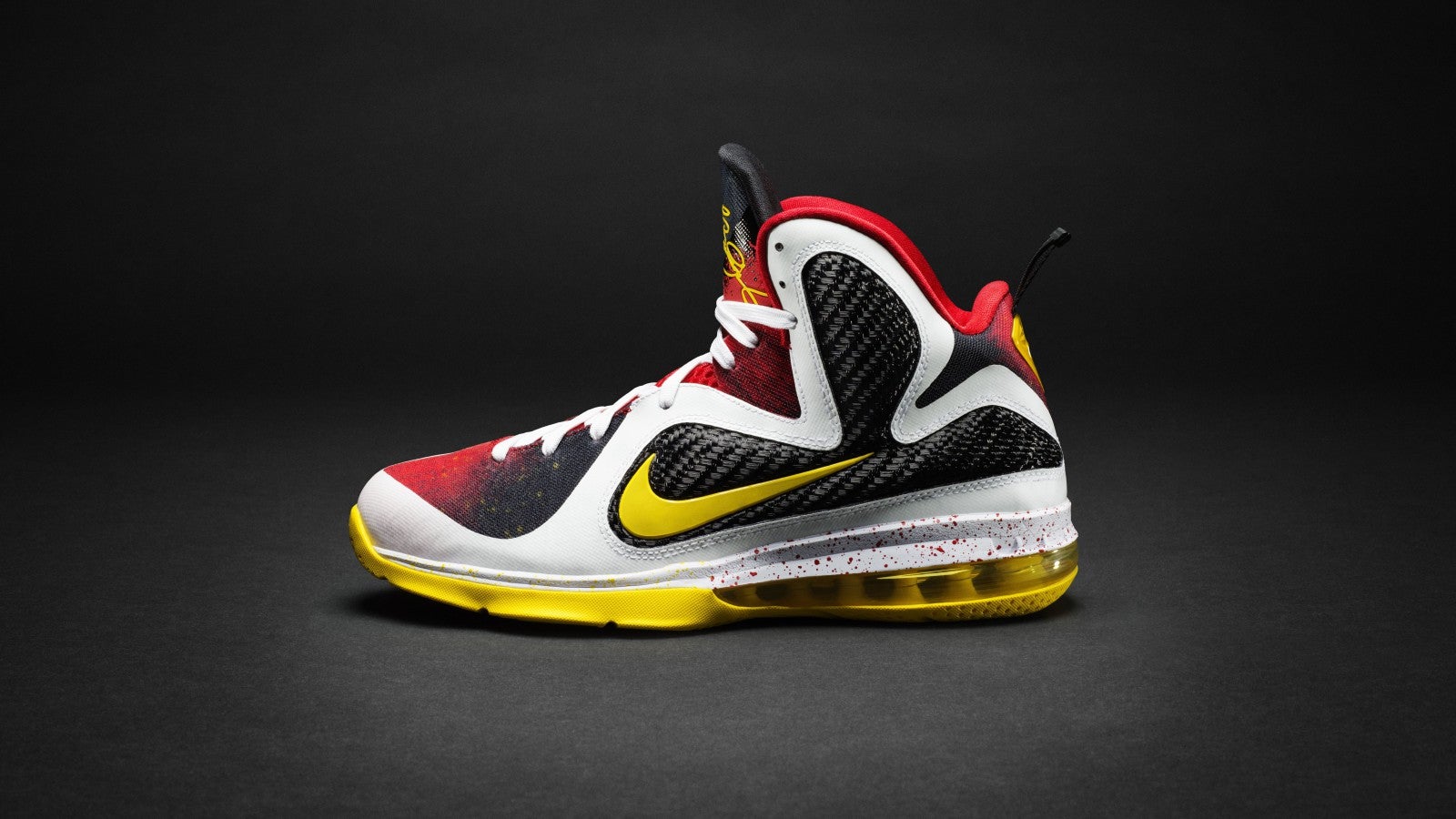
Nike’s name has turned up in court repeatedly in the last few years, but a recent case involving the sneaker giant may be the weirdest. On April 8, a former Nike employee named Kyle Yamaguchi was sentenced after pleading guilty in a scheme to steal hundreds of rare, valuable Nike sneakers from the company and resell them, the Oregonian reports.

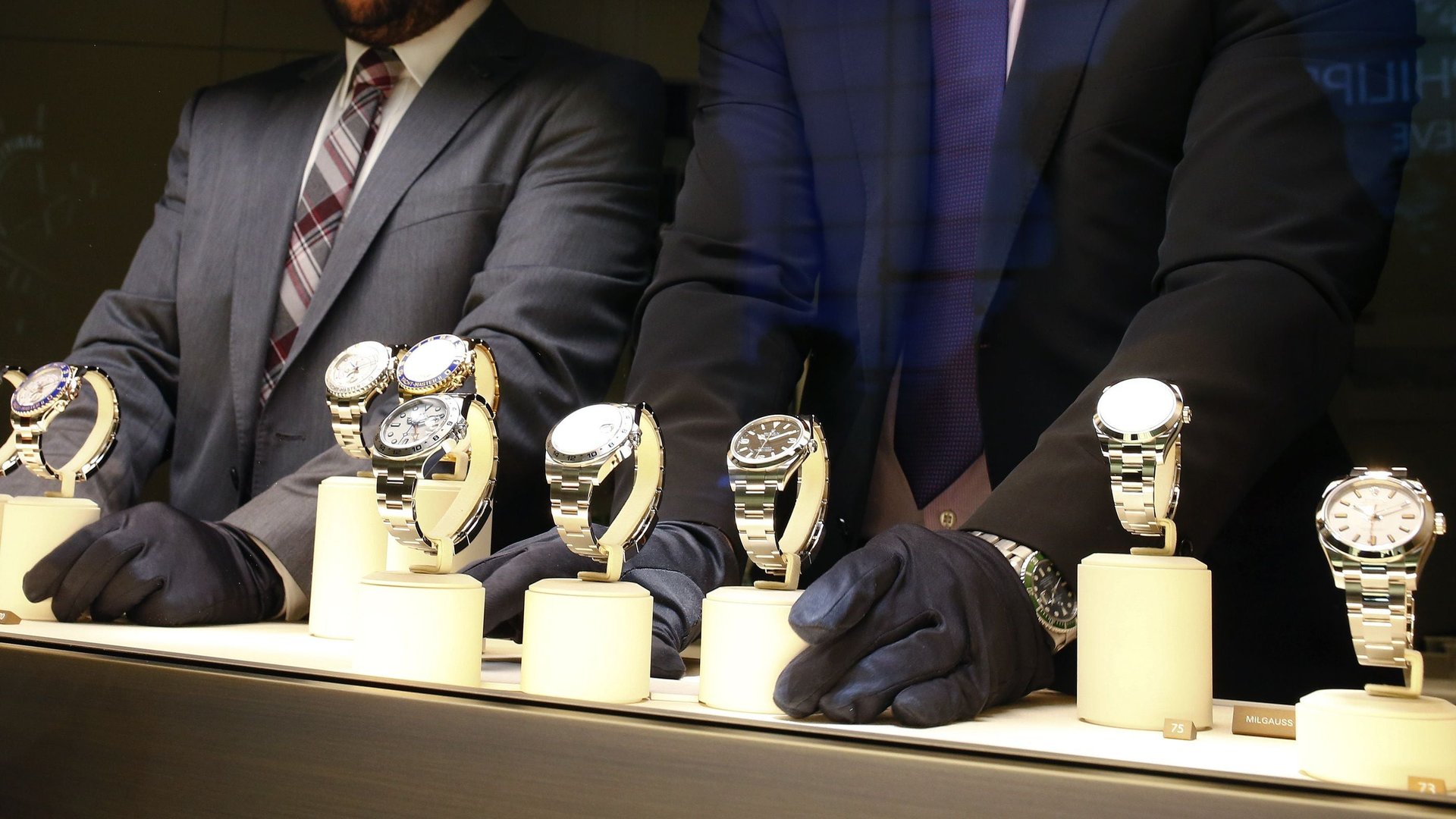
Sex piles on Instagram have some common features. They include hands splayed in various directions, faces glistening under flattering filters, and leather straps spread across the frame. But those pieces and parts don’t belong to people. They belong to watches.

On April 9, H&M released its annual sustainability report for 2014. The document details—at great length—how the company is implementing more eco-friendly practices in its supply chain and stores to reduce the harm it causes the environment, as well as its efforts on a variety of social welfare issues such as gender equality and poverty alleviation.

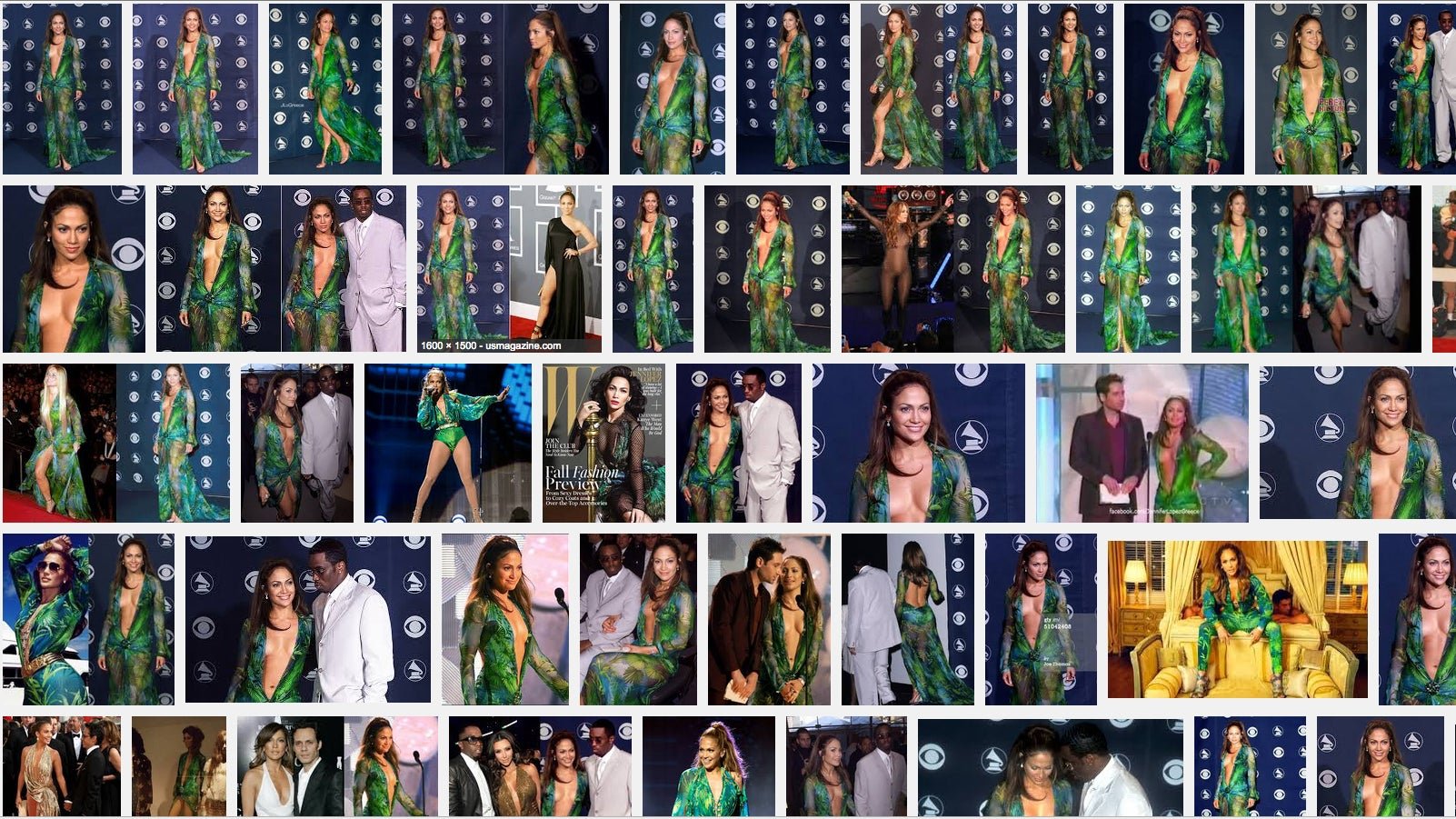
Jennifer Lopez, or “J Lo” as she is commonly known, has been a great many things in her career: fly girl, singer, actress, American Idol judge. Apparently she can add tech muse to that list, because she’s the reason Google image search was created.

China, you have probably heard, has become the world’s largest economy by some measures. It’s also home to Alibaba, an e-commerce monster with annual transactions greater than those of eBay and Amazon combined. It’s certainly an attractive and growing e-commerce market—but it’s no longer the most attractive market.

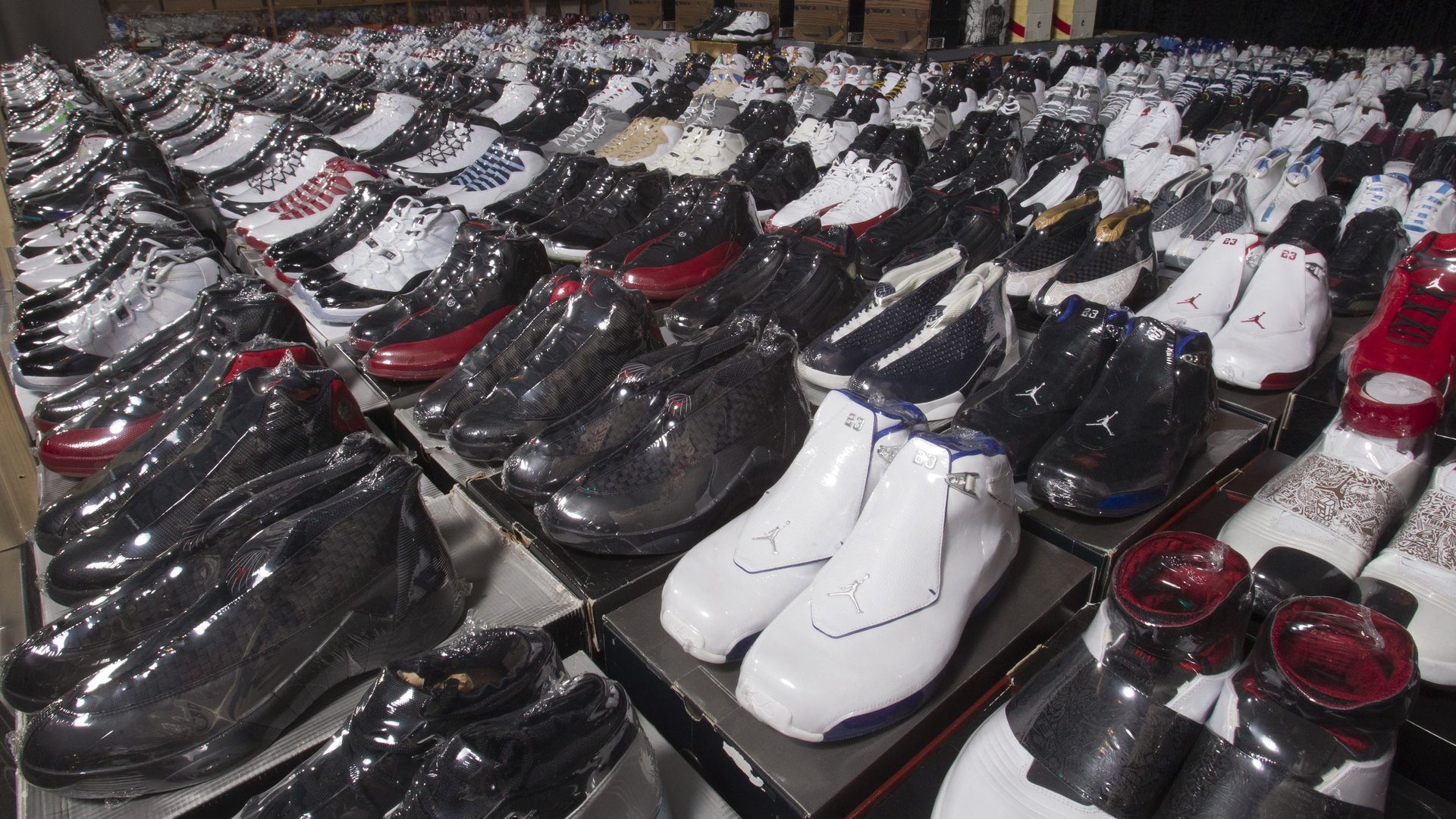
Collectors come in many forms. Some are bespectacled, cardigan-clad ladies who fill their display cabinets with painted teacups, or mustachioed, white-haired men with a thing for pocket watches. And then there are people who collect sneakers.

The US, and its vast swathes of people with disposable income who shop for fun, is an ideal destination for counterfeiters, which makes life difficult for the agencies dedicated to patrolling the US borders and enforcing customs. Every year, they process about 24 million commercial cargo shipments arriving via sea and land and another 250 million international and express mail parcels. In all those arrivals they have to filter out the knockoffs from the genuine articles. Inevitably some get through, but plenty don’t.

Before eBay, people who collected sneakers mostly scoured shop bins and garage sales in hope of finding something good. The searches were arduous, and limited to the collector’s geographical area. But then the online auction site launched in 1995, offering a single, addictive, worldwide focal point, accessible at any time and from anywhere, for people who wanted to sell their stuff, whether old laser pointers or Nike Air Jordans. Everything changed, and a market began to grow.

This post has been corrected.

There’s no room for ego when getting fitted for a shirt by the US-based custom menswear company J.Hilburn.

Net-a-Porter, a glossy, sophisticated luxury designer fashion website, and Yoox, a site that specializes in discounted off-season clothing, are merging to create a fashion and tech giant with a combined net revenue of about €1.3 billion ($1.4 billion) and more than 24 million monthly website visitors.

The numbers: Not good. Net income (pdf) for the Prada Group, which owns Prada, Miu Miu, Church’s, and Car Shoe, dropped 28% to €451 million ($489 million) for fiscal 2014. Sales in Europe and Asia Pacific (not including Japan) were down, while the worst numbers came from China, which saw a 7% decrease. Revenue overall was down 1% to €3.55 billion ($3.85 million).

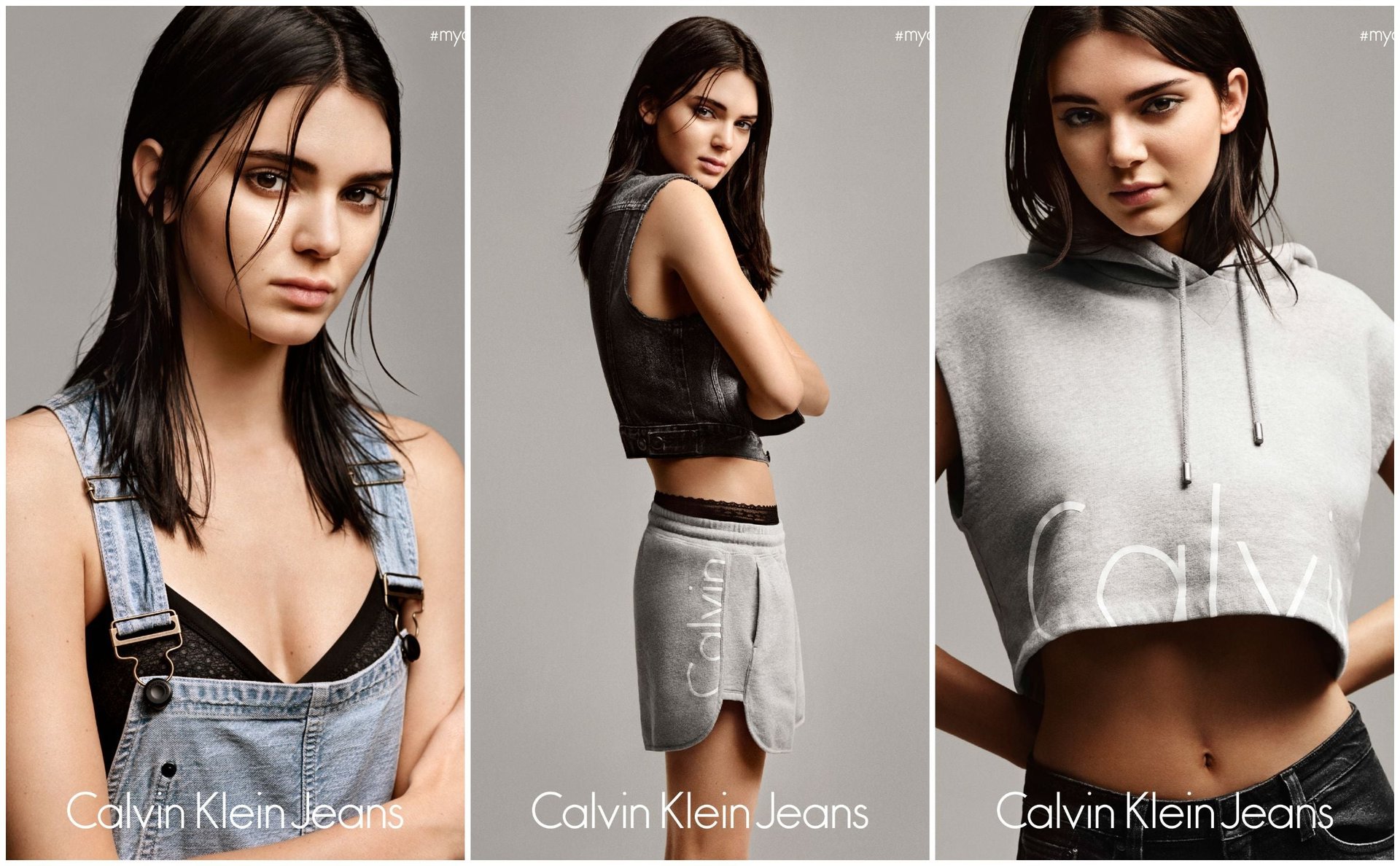
It was hard to imagine how Calvin Klein would top its January ad campaign featuring the adored-and-despised pop star Justin Bieber, which generated controversy, derision—and plenty of sales.